AI tool
Atlas by World Labs
Atlas by World Labs generates 3D scenes from a few photos or video clips. It reconstructs real geometry so creators can move a virtual camera freely through the space. It is built for filmmakers and anyone who needs to capture and reframe real loc...
About Atlas by World Labs
Atlas is World Labs' omni world model. It takes text, images, video, and 3D as input, then generates camera-controlled 1440p video up to a minute long. The tool can also reconstruct scenes from a few photos and simulate space-time for robotics applications. Atlas is currently in early access.
Review
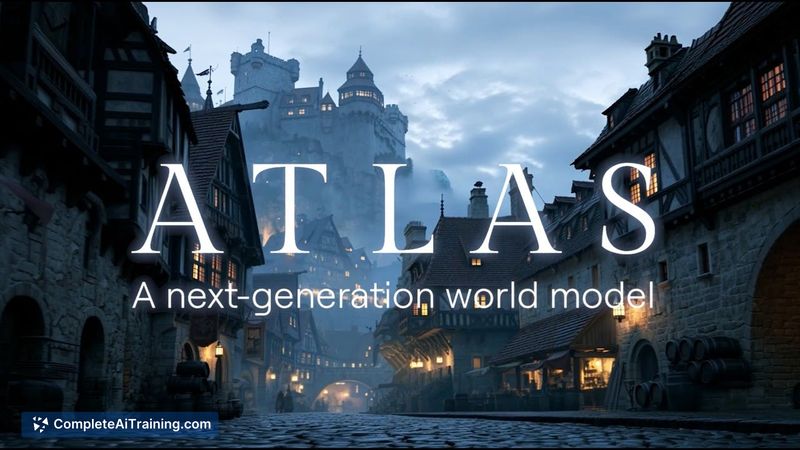



Atlas enters the generative media space with a specific focus on spatial understanding rather than frame-by-frame video synthesis. The model treats text, images, video, and 3D as one unified input pipeline, which is a departure from tools that handle each modality separately. Early access is open, and the team has stated that Atlas will power Marble, World Labs' next product.
Key Features
- Generates camera-controlled 1440p video up to one minute from text, image, video, or 3D inputs
- Reconstructs 3D scenes from a small number of photos, including filling in areas not captured in the original images
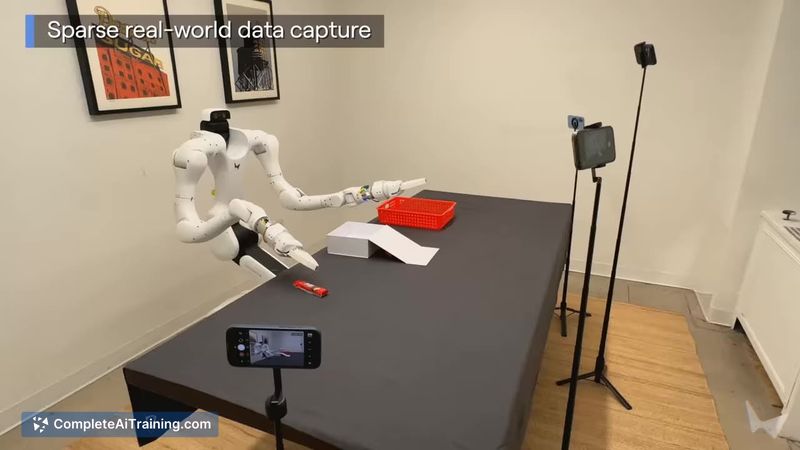
- Simulates space-time for robotics, with the stated goal of supporting physical navigation and spatial reasoning tasks
- Unified omni world model architecture that processes multiple input modalities through a single pipeline
- Early access program where users can request access and provide feedback to the development team
Pricing and Value
Pricing for Atlas has not yet been defined. The tool is currently in early access, and World Labs has not published a pricing model or subscription tiers. Access is granted through a request system on the product's website.
Pros
- Handles text, images, video, and 3D within a single model, avoiding the need to switch between separate tools for different input types
- Camera-controlled output means users can specify viewpoints and movement paths rather than relying on randomized generation
- The 3D reconstruction capability works from as few as three reference images, as demonstrated by a user who rebuilt a childhood home from Google Street View captures
- Output resolution of 1440p with up to 60-second clips covers a range of short-form video and pre-visualization needs
- The robotics simulation component addresses a different use case than most generative video tools, which typically focus on entertainment or marketing content
Cons
- Atlas is not well suited for users who need production-ready, commercially licensed video output today, since the tool remains in early access with no stated release timeline
- The scene reconstruction feature can generate plausible geometry for spaces the model never actually observed, which raises questions about where real reconstruction ends and hallucinated fill-in begins, particularly for robotics navigation
- There is no public pricing information or documentation on usage limits, output ownership, or commercial licensing terms, making it difficult to evaluate total cost of ownership
Atlas fits teams and individuals working on spatial reasoning, pre-visualization, or research projects where understanding how a model handles 3D geometry matters more than polished final output. The robotics simulation angle makes it relevant for researchers and developers exploring world models for embodied AI, though they should account for the hallucination risk in navigation contexts. Users looking for a straightforward text-to-video tool with clear pricing and established output pipelines may find the early access status and undefined business terms a limitation.
Jobs Atlas by World Labs suits
We checked Atlas by World Labs against 500+ jobs; these get the most out of it.