AI tool
Greplica
Greplica provides shared, self-updating wikis for developer teams, managed by coding agents. It anchors tribal knowledge in committed code and uses multi-tier retrieval to supply relevant context to language models.
About Greplica
Greplica gives engineering teams and coding agents a shared memory of the codebase. It continuously extracts decisions, constraints, gotchas, failed approaches, and file-level context from coding sessions, then retrieves only what matters for the task at hand. The tool stays grounded in the repo, keeps knowledge fresh, and works across developers, agents, clones, and forks.
Review
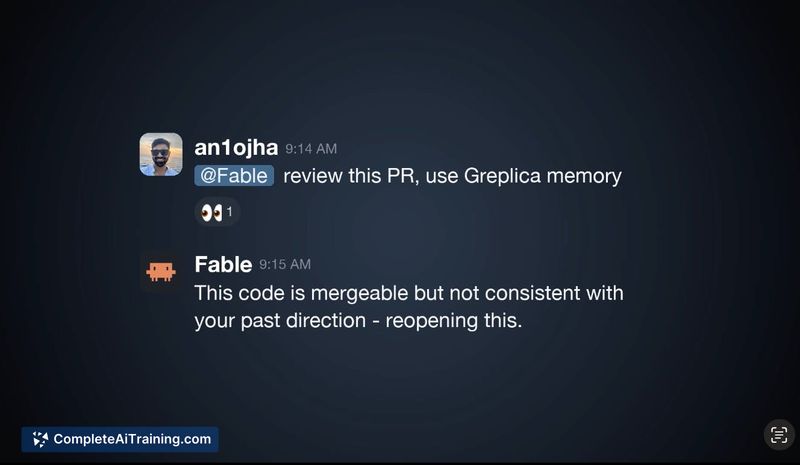
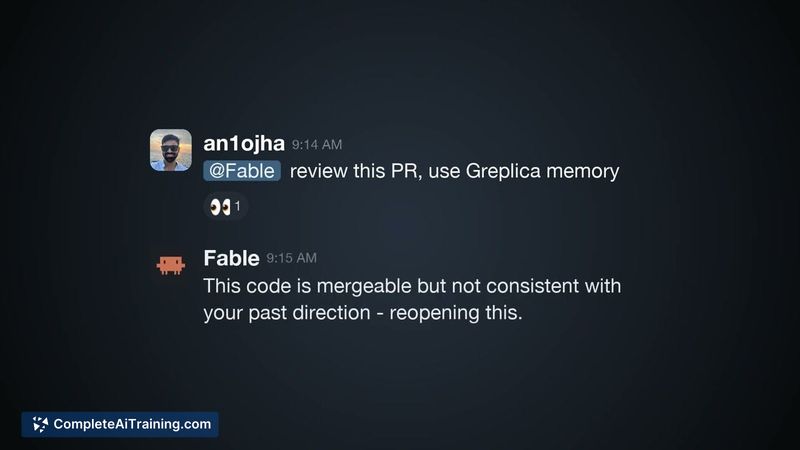
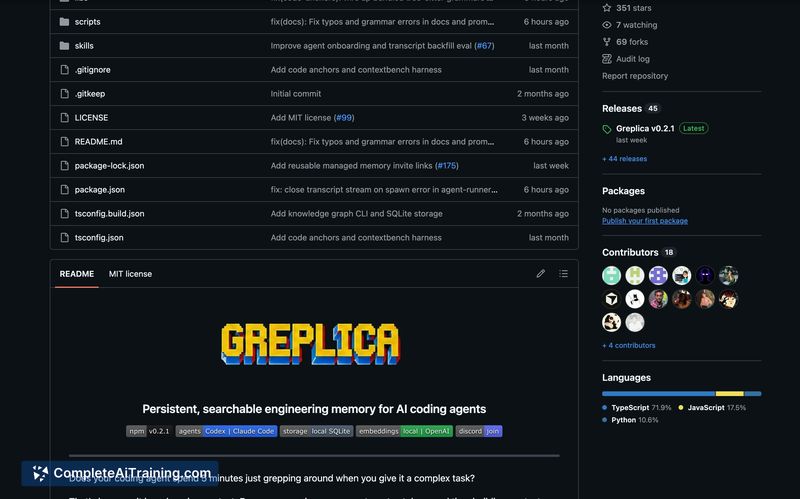
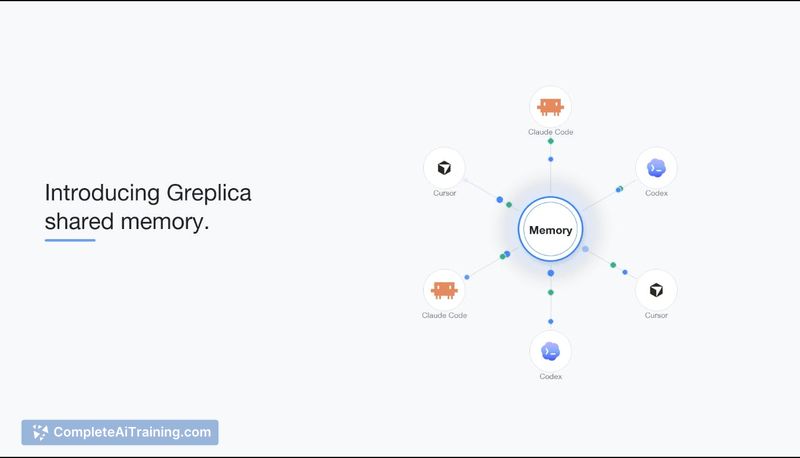
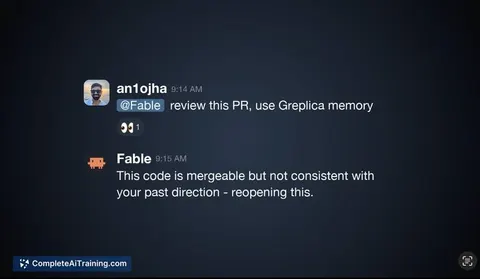
As coding agents now write a growing share of code, having documentation that stays accurate without manual effort becomes a practical need. Greplica replaces static markdown files with a wiki that updates itself from developer and agent interactions. It runs locally, is agent-agnostic, and can ingest existing CLAUDE.md files to remove that part of the setup.
Key Features
- Extracts decisions, constraints, gotchas, failed approaches, and file-level context from coding sessions.
- Anchors all facts in committed code, giving stale knowledge a natural expiry date when the underlying code changes.
- Uses a multi-tier retrieval algorithm to select the most relevant context for each prompt.
- Agent-agnostic - works across Claude Code, Cursor, Codex, Copilot, and other coding assistants.
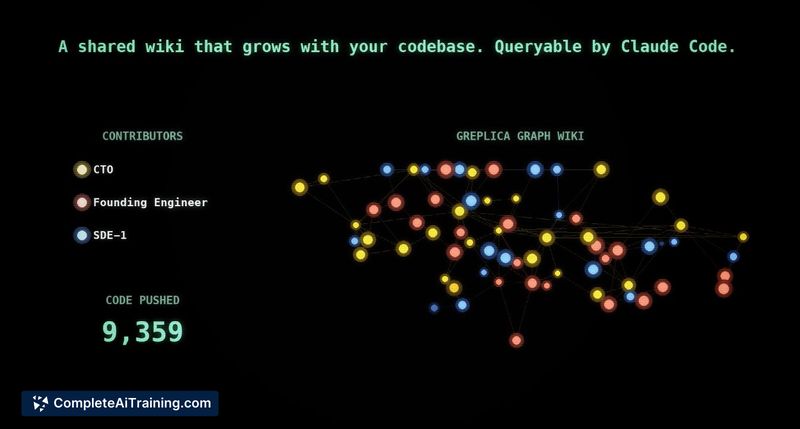
- Graph view displays learned facts in a readable format, and users can edit or expand entries directly.
Pricing and Value
Greplica is free and open source. The local version can be run on your own machine. A managed shared mode is available for teams, but pricing for that mode is not yet defined. The tool automates documentation freshness, which can reduce the risk of agents working from outdated knowledge without manual upkeep.
Pros
- Open source and runs locally, giving teams control over their data.
- Facts are anchored to code, so documentation freshness is tied directly to repo changes.
- Agent-agnostic - works with multiple coding assistants and across clones and forks.
- Ingests existing CLAUDE.md files, easing the transition from static docs.
- Graph view provides a transparent way to inspect and correct stored knowledge.
Cons
- Negative facts like "we tried X and it didn't work" currently lack a retirement mechanism; an outdated negative conclusion can persist and silently mislead agents.
- The tool relies on coding sessions for extraction, so knowledge from non-coding activities (meetings, design discussions) isn't captured automatically.
- Not well suited for solo developers or small teams that don't use coding agents extensively, as the overhead of maintaining a shared wiki may outweigh the benefit.
Greplica fits engineering teams that use multiple coding agents and want a single source of truth about their codebase. It's particularly useful when multiple clones or forks need to share the same understanding of decisions and pitfalls. For teams that already struggle with stale docs, this tool can automate the parts that trace back to code, though gaps remain for knowledge with no code artifact.
Jobs Greplica suits
We checked Greplica against 500+ jobs; these get the most out of it.
Alternatives to Greplica
Other tools that do the same main job. Our AI compared Greplica with similar tools and kept the ones you could use instead.