AI tool
hob
hob is a workspace for coordinating coding agents that turns your agent stack into a single professional environment. It is for developers who work with multiple agents and need to keep sessions, decisions, and outputs connected.
About hob
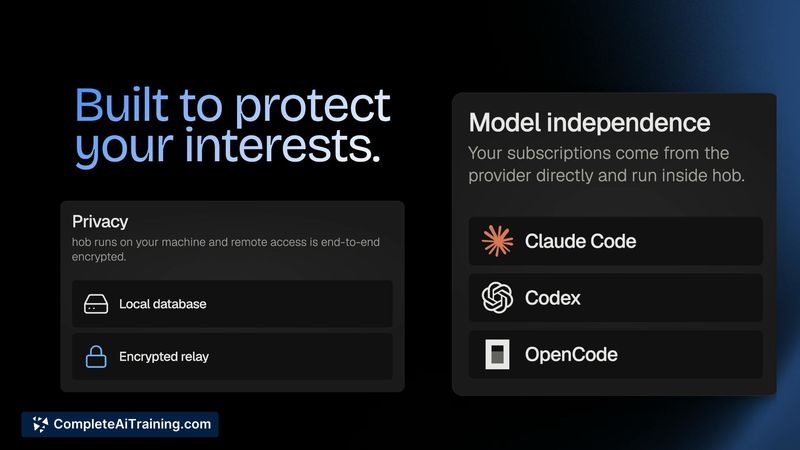
hob is a desktop workspace that consolidates multiple AI coding agents, terminals, and workflows into a single application. It supports Claude Code, Codex, and OpenCode as integrated agents, with the workspace itself acting as a shared environment that agents can modify and coordinate through. The tool runs locally on the user's machine, with end-to-end encryption for remote access, and does not resell inference or tokens-provider subscriptions run directly inside hob.
Review
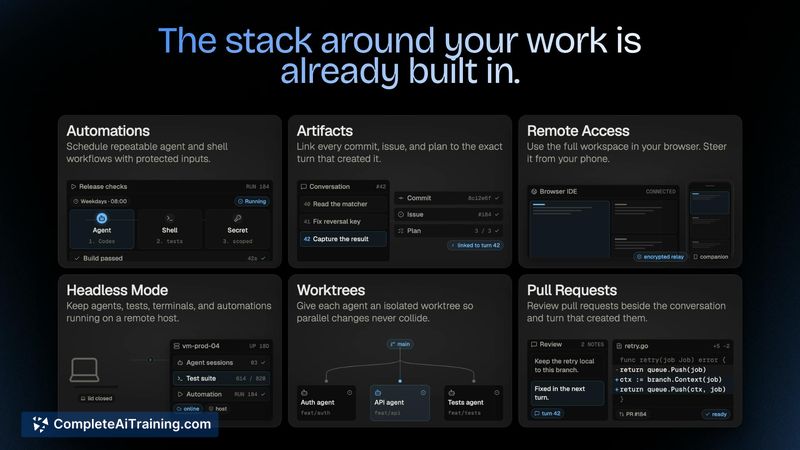

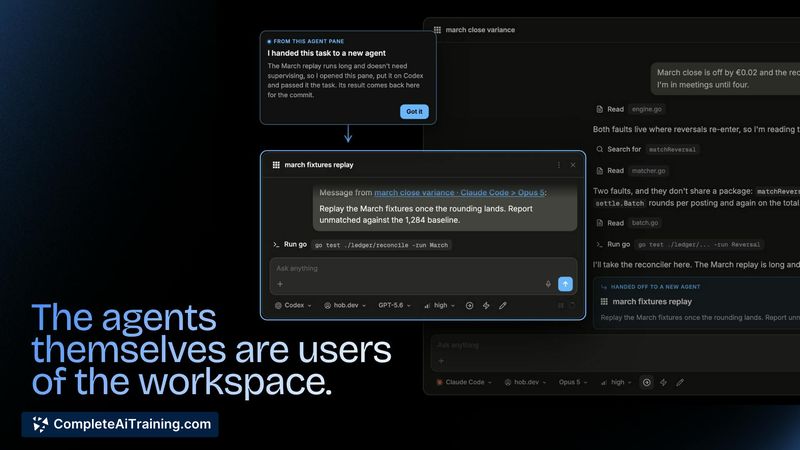
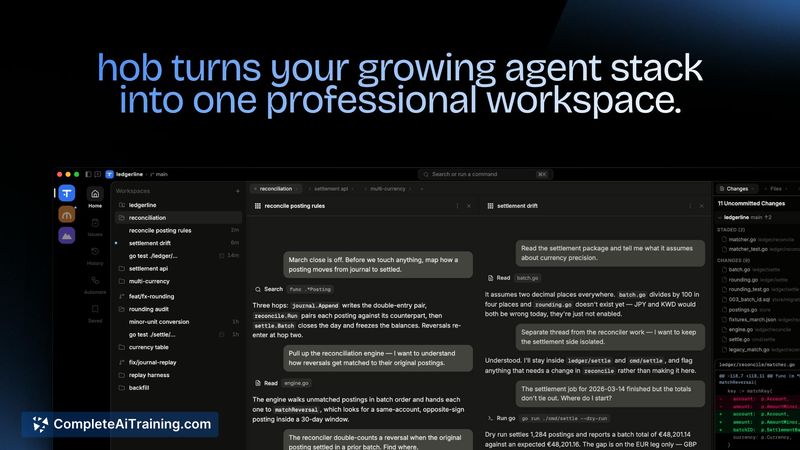
hob addresses a specific friction point for developers who run several coding agents in parallel: the fragmentation of terminals, worktrees, session histories, and review surfaces. Instead of connecting these pieces manually, users get a workspace where agents can open context, shape the environment around a task, and link commits, issues, and plans back to the exact conversation blocks that produced them. The tool launched this week and is in early distribution with a free trial period.
Key Features
- Integrated support for Claude Code, Codex, and OpenCode agents within a unified workspace
- Isolated worktrees per session so agent work doesn't collide across projects
- Commit, issue, and plan traceability linked to the originating conversation and turn
- Built-in review surface for code changes, image generations, and markdown documents without leaving the app
- Headless mode and remote access with end-to-end encryption
Pricing and Value
hob offers a one-month free trial with no credit card required. After the trial, it moves to a personal subscription model. The first 1,000 personal subscribers can lock in a 40% discount for the life of a continuous subscription. Pricing beyond this introductory offer has not yet been defined publicly. The tool does not charge for inference or resell tokens; users bring their own provider subscriptions.
Pros
- Reduces context-switching by keeping agent sessions, terminals, and reviews in one application
- Worktree isolation lets multiple agents operate on different projects simultaneously without interference
- Direct linking of commits and issues to conversation blocks creates an auditable trail of agent decisions
- No inference markup-users' existing LLM provider subscriptions run directly inside hob
- Local execution with encrypted remote access means workspace data stays on the user's machine
Cons
- Limited to three supported agents at launch (Claude Code, Codex, OpenCode), which may not cover a team's existing stack
- Early-stage product with a small team; long-term support cadence and update frequency are unproven
- Not well suited for developers who use a single agent occasionally and don't need multi-agent coordination or traceability
hob fits teams and solo developers who regularly run parallel agent sessions and spend meaningful time reconstructing what each agent did, which context it used, and why it made certain changes. The workspace model makes more sense when agent output volume outstrips manual tracking methods-post-run review and cross-session organization are where the tool concentrates its utility. Developers content with a terminal multiplexer and git log for agent work won't find a reason to switch.
Jobs hob suits
We checked hob against 500+ jobs; these get the most out of it.
Alternatives to hob
Other tools that do the same main job. Our AI compared hob with similar tools and kept the ones you could use instead.