AI tool
Remix
Remix lets non-engineers on product teams make changes to a live copy of a real app by describing them in plain language. Each change runs in a sandbox with a preview, is checked against design and compliance rules, and is sent to engineers for re...
About Remix
Remix is a testing and QA tool that lets team members spin up sandboxed copies of a production application. It launched this week and positions itself as a way to test variants of a live product without touching production data. The tool records every prompt and generates a pull request to GitHub when an idea is ready to ship.
Review
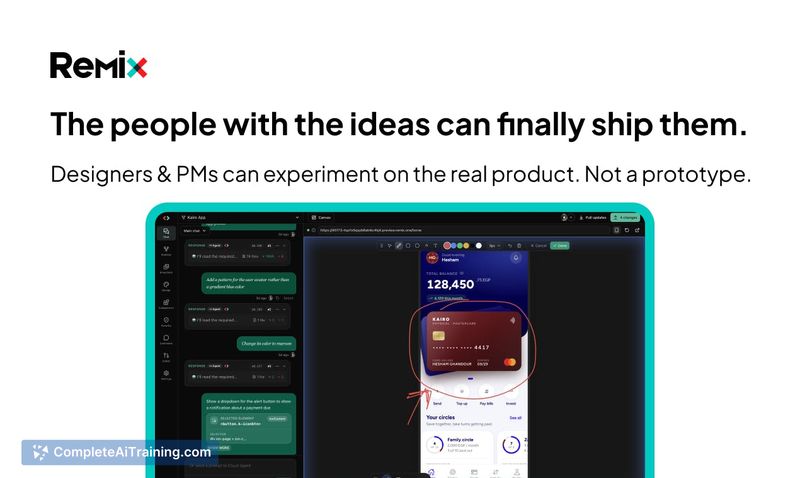
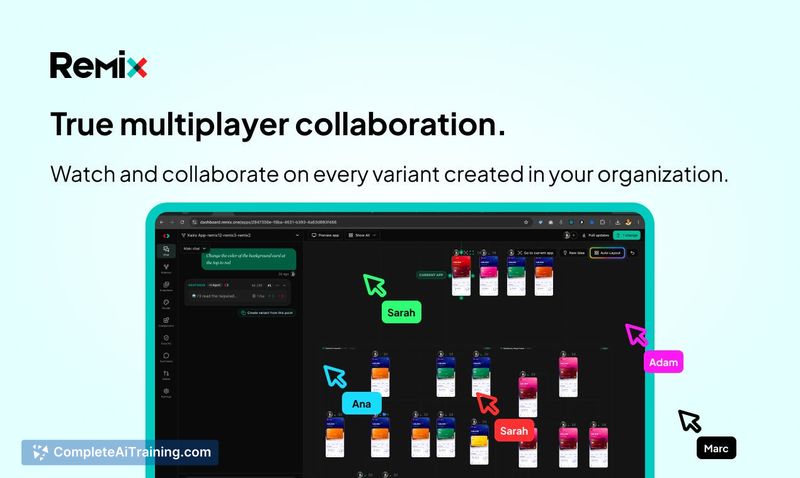
Remix targets a specific bottleneck: the gap between someone spotting a product change and engineering having time to build it. The tool gives non-engineers a way to make changes to a real application by describing them in natural language. Those changes run in an isolated sandbox with a live preview, so the work is reviewable before it reaches the codebase.
Key Features
- Sandboxed variants of the real product that any team member can create by prompting, with no setup required.
- Live preview links for each remix, letting reviewers test the work before code is merged.
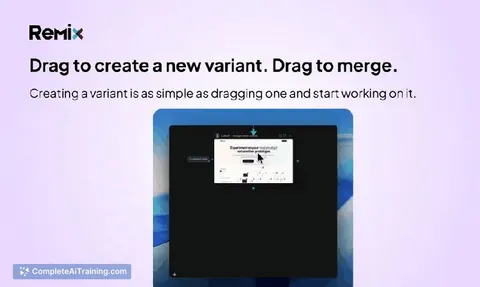
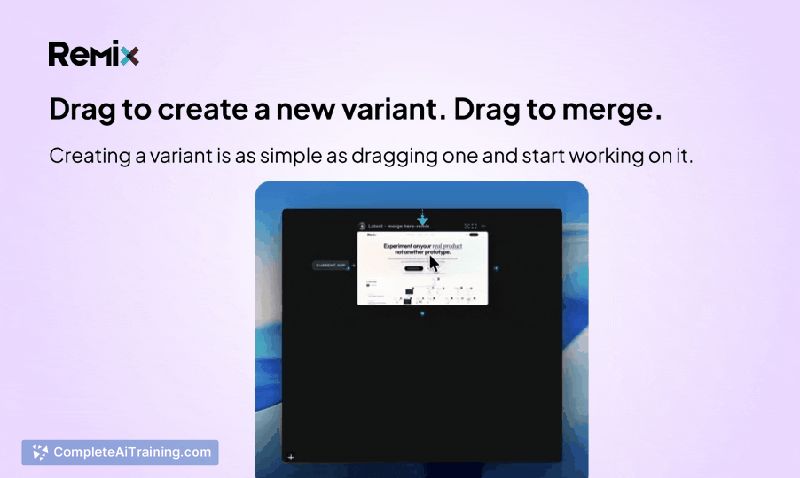
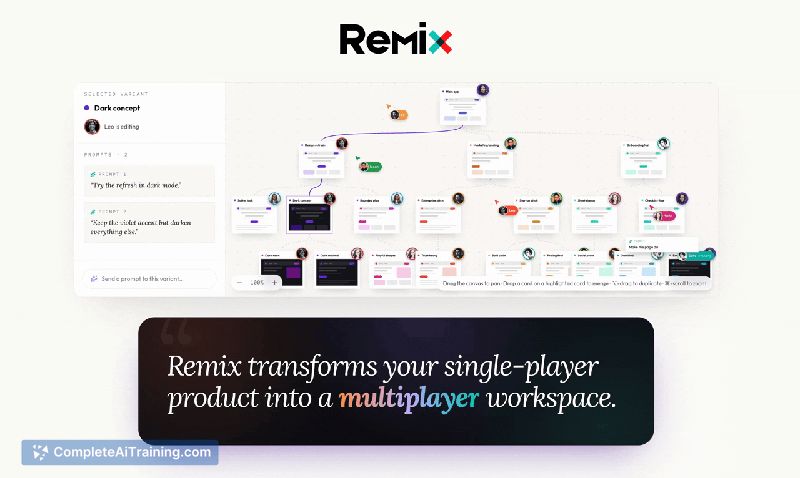
- Merge functionality that drags one variant into another to combine ideas.
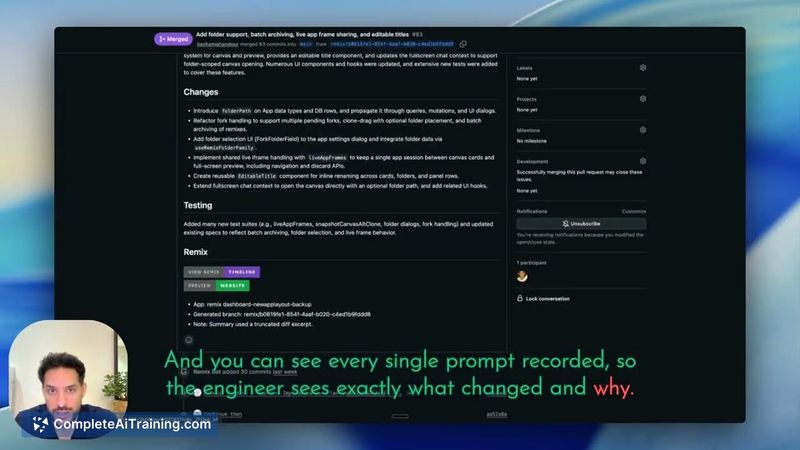
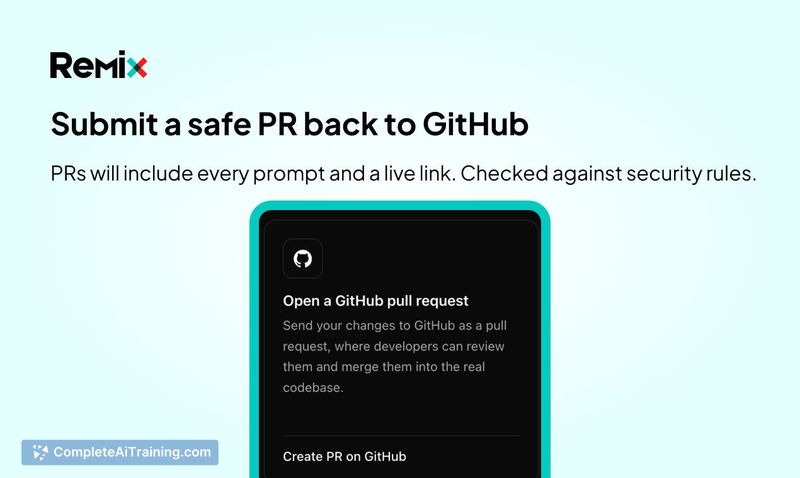
- Pull request generation straight to GitHub, with every prompt recorded so reviewers see the build history.
- Policy checks against design system, security, and compliance rules before changes go anywhere.
Pricing and Value
Remix lists itself under free options on its launch page, but specific pricing tiers are not yet defined. The company is working closely with early teams and gathering feedback, so commercial terms appear to be in flux. The value case rests on reducing the wait time for product changes, since a designer or support rep can prompt a change and ship it the same day through a normal PR review.
Pros
- Backend targeting is a config decision per sandbox, not a fixed choice; each remix runs on its own VM with full terminal access and editable environment variables.
- Sandboxes can point at dev, staging, or production backends depending on what the use case requires, and individual remixes can be repointed without changing project defaults.
- Engineering retains final approval authority, reviewing prompts and clean pull requests rather than doing the initial implementation work.
Cons
- The tool is brand new, so there's limited evidence of how it performs at scale or in complex production environments.
- Teams with strict data isolation requirements will need to configure backend targets carefully, since the default sandbox talks to whatever backend the project config points to.
- It's not well suited for organizations that need tightly controlled, fully synthetic test environments out of the box; the founder explicitly notes that synthetic data setups require additional configuration.
Remix fits teams where product decisions stall because the people who spot improvements can't build them. Designers, PMs, and support staff can prototype changes directly against a live copy of the app, while engineers focus on architecture and approval. Early adopters working with the team will shape how the tool evolves, but teams needing mature compliance workflows or synthetic data defaults should wait for those capabilities to mature.
Jobs Remix suits
We checked Remix against 500+ jobs; these get the most out of it.
Alternatives to Remix
Other tools that do the same main job. Our AI compared Remix with similar tools and kept the ones you could use instead.