MCP server · Developer tools
TwitterAPI.io Docs MCP server
by dorukardahan
Lets your AI look up TwitterAPI.io documentation offline, so you get answers about endpoints, pricing and auth without leaving your chat.

This is a small helper that puts the whole TwitterAPI.io documentation inside your AI assistant. It is handy if you build things with the Twitter/X API through TwitterAPI.io and you are tired of switching tabs to look things up. You ask a question, and your AI answers from a copy of the docs that lives on your own computer.
What is an MCP server? The 30-second version
On its own, your AI can only chat with you using what it already knows. An MCP server is a small helper program that gives your AI one extra skill or connection. This helper connects your AI to the TwitterAPI.io documentation, so it can search it and read pages for you. You do not need an API key for this one, because the whole documentation is bundled inside the helper itself.
What this MCP server does
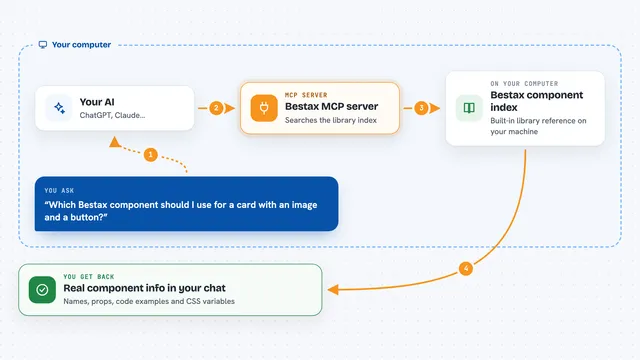
You ask your AI something like what the rate limits are or how a certain endpoint works. Your AI passes that question to this helper. The helper searches a snapshot of the TwitterAPI.io docs stored on your computer, which includes 67 endpoints, 32 guides and 24 blog posts. It sends the matching text back to your AI, and your AI explains it to you in the chat. No internet request is made for the docs, so answers come back right away.
 Click to zoom
What you can do with it
- Search the TwitterAPI.io documentation by keyword, even with typos
- Read the full details of a specific endpoint, including parameters and examples
- List endpoints in a category, like all user-related ones
- Look up pricing, authentication and rate limit guides
- Fetch a documentation page when you have its link
- Check which write endpoints need login cookies
Try asking your AI
- “What are the rate limits for TwitterAPI.io?”
- “Show me the tweet advanced search endpoint”
- “How do I authenticate with the API?”
- “List all user-related endpoints”
What it gives back to you
You get answers in plain chat text: explanations, lists of endpoints, parameter details, pricing numbers and setup steps. When you ask for an endpoint, your AI usually shows the method, the parameters and a small example. It can also give you short summaries of guide pages. Nothing is changed anywhere; it only reads and reports.
Before you start
What you need
- Node.js 18.18.0 or newer installed on your computer
- An AI tool that supports MCP, like Claude Desktop, Claude Code, Cursor, VS Code or Windsurf
Good to know
This helper only reads documentation, so it cannot change anything or spend money, but the docs it shows describe an API that can post, delete and send messages, so double-check anything your AI suggests before you run it.
Install it with your AI
Add TwitterAPI.io Docs MCP server to your AI, no technical skills needed
You don't install anything by hand. You copy one prompt, paste it into an AI that can work on your computer, and it checks, installs and connects the server for you, asking you when it needs something.
Sign in to get the install prompt
Members get a ready-made prompt that lets the Claude desktop app check TwitterAPI.io Docs MCP server, install it and connect it for them, step by step. You don't need any technical skills: you copy, paste and answer a few questions. Your connected AI can also find and install any of the 4,609 MCP servers here for you.
Who it's for
Developers and technical writers who work with the Twitter/X API through TwitterAPI.io and want documentation answers without leaving their editor or chat.