MCP server · Security
SecureCode MCP server
by juanisidoro
Let your AI use your passwords and API keys without ever seeing the actual values.

SecureCode is a place to keep your secret values, like API keys, tokens and passwords, locked up and encrypted. This helper connects that vault to Claude Code, so your AI can use a secret when it needs one but never actually reads the value. It is handy if you want your AI to help with setup or code that needs keys, without pasting those keys into the chat.
What is an MCP server? The 30-second version
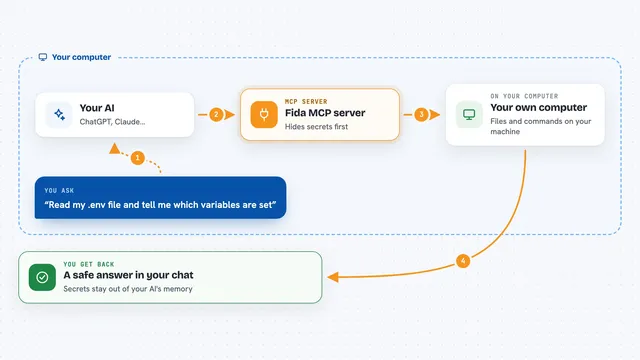
On its own, your AI can only chat with you. An MCP server is a small helper program that gives your AI a new skill or a connection to an app. This one connects Claude Code to your SecureCode vault. So when you ask for a secret, the helper fetches it and quietly writes it to a file on your computer, and your AI only gets the file path, not the value itself.
What this MCP server does
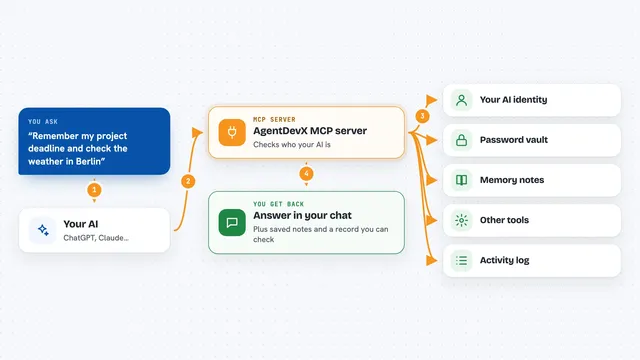
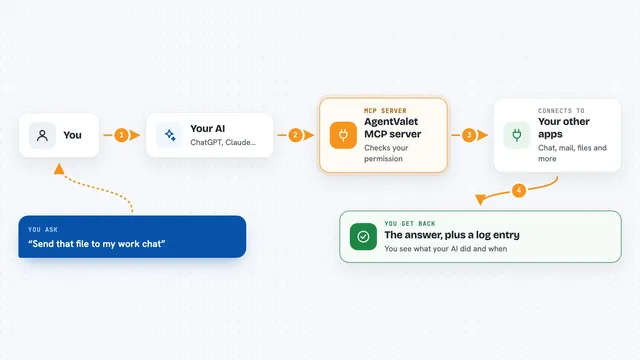
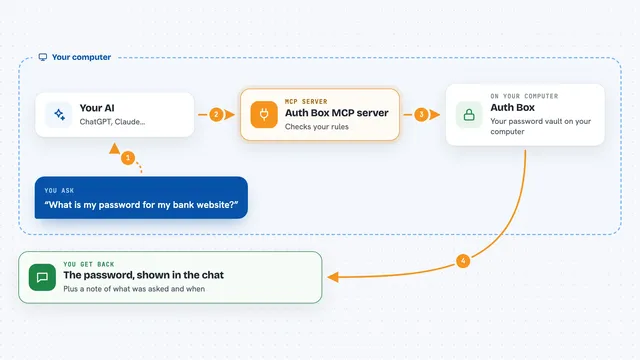
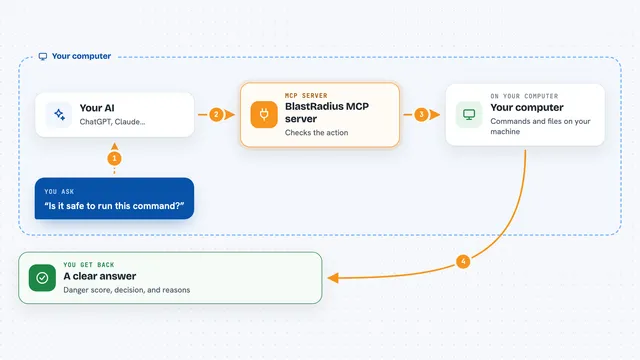
You ask your AI for a secret, for example an API key you stored in SecureCode. The AI asks this helper for it. The helper talks to your SecureCode account, pulls the value, and writes it into a local file on your machine. The AI receives the path to that file, so it can point your project at it, but the raw value never shows up in the chat. When you lock the session, those injected files are cleaned off your disk.
 Click to zoom
What you can do with it
- Store API keys, tokens and passwords in an encrypted vault
- Let your AI use a secret by writing it to a local file instead of showing it
- List your secrets with their tags and expiry dates
- Import a .env file through a secure window so values never pass through the AI
- Export your secrets as a .env file or CSV
- Lock your session and clean injected files off the disk
- Set rules so some secrets need confirmation or an active session
Try asking your AI
- “Set up SecureCode in this project”
- “Get my Stripe key and put it in a local file for this project”
- “List all my secrets that expire this month”
- “Wake my session for acme staging only”
- “byebye”
What it gives back to you
You get answers in the chat, like a list of your secrets with tags and expiry status, or a confirmation that a value was written to a file along with the file path. For imports and exports you get a .env or CSV file. Every access is logged, so you can see which AI model, machine and time was involved.
Before you start
What you need
- A SecureCodeHQ account (there is a free tier with 50 secrets and 10K accesses a month)
- Node.js 18 or newer on your computer
- Claude Code, since this is built for it
Good to know
This tool can create, change and delete secrets in your vault, so be careful with delete and update requests, and remember that injected files stay on your disk until you lock the session or say byebye.
Install it with your AI
Add SecureCode MCP server to your AI, no technical skills needed
You don't install anything by hand. You copy one prompt, paste it into an AI that can work on your computer, and it checks, installs and connects the server for you, asking you when it needs something.
Sign in to get the install prompt
Members get a ready-made prompt that lets the Claude desktop app check SecureCode MCP server, install it and connect it for them, step by step. You don't need any technical skills: you copy, paste and answer a few questions. Your connected AI can also find and install any of the 4,361 MCP servers here for you.
Who it's for
Developers and technical teams who want their AI to help with code and setup that needs secrets, without ever pasting those secrets into a chat.