MCP server · Developer tools
Context Condenser MCP server
by rafim-dev
Lets your AI shrink big code files and messy logs so it uses fewer tokens and answers better.

This is a small helper that trims down long code files and noisy logs before your AI reads them. It keeps the important parts, like function names and error messages, and drops the filler. It is handy if you work with big files and want your AI to stay fast, cheap, and focused.
What is an MCP server? The 30-second version
On its own, your AI can only chat with what you paste in. An MCP server is a small helper program that gives your AI a new skill. This one gives your AI the skill of condensing code and logs. So when you ask about a big file, the AI can send it through this helper first and get back a much shorter version.
What this MCP server does
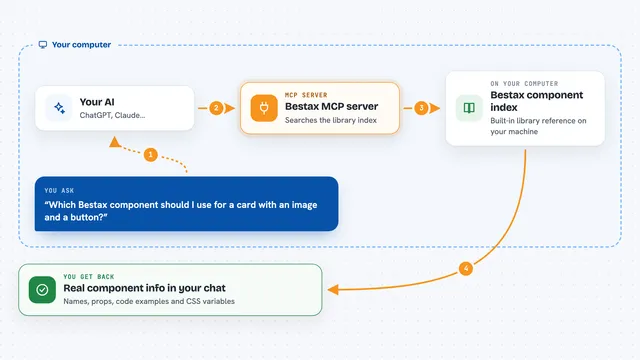
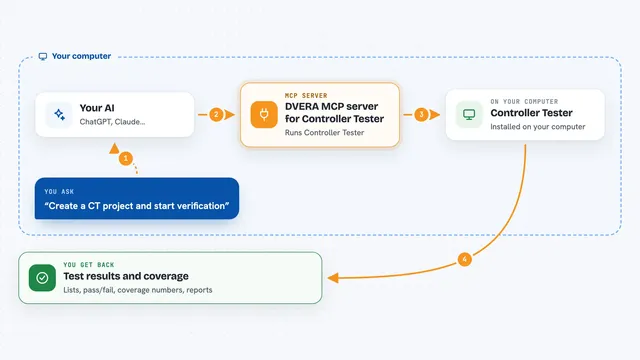
You ask your AI something about a big code file or a long log. The AI passes the text to this helper. The helper reads the code and builds a short outline that keeps the imports, types, and function signatures but shrinks the bodies. For logs, it strips the noise and points at the real errors. Then the AI answers you using the short version, which uses fewer tokens and stays on track.
 Click to zoom
What you can do with it
- Outline a whole code file into a short skeleton
- Pull out just one function, class, or type by name
- Compress a long test or build log down to the real failures
- Check how many tokens a file will cost before sending it
- Keep the file's imports and types when extracting a symbol
- See how many lines and tokens were saved
Try asking your AI
- “Outline src/services/auth.ts so I can see the structure”
- “Extract just the validateToken function from src/services/auth.ts”
- “Compress test_output.log and show me what actually failed”
- “How many tokens will src/large_file.ts use if I paste it in”
What it gives back to you
You get back a shorter version of what you sent. For code, that is a skeleton with the important names and signatures kept. For logs, you get the failing lines and error messages pulled out. It also tells you how many lines and tokens were saved.
Before you start
What you need
- Node.js installed on your computer
- The project files downloaded and built once (the README shows the commands)
- The Claude desktop app or Cursor if you want to use it as an MCP server
Good to know
It reads the code and logs you give it, so do not send files with private secrets you would not want your AI to see.
Install it with your AI
Add Context Condenser MCP server to your AI, no technical skills needed
You don't install anything by hand. You copy one prompt, paste it into an AI that can work on your computer, and it checks, installs and connects the server for you, asking you when it needs something.
Sign in to get the install prompt
Members get a ready-made prompt that lets the Claude desktop app check Context Condenser MCP server, install it and connect it for them, step by step. You don't need any technical skills: you copy, paste and answer a few questions. Your connected AI can also find and install any of the 4,361 MCP servers here for you.
Who it's for
Developers and anyone who works with large code files or long logs and wants their AI to stay fast and cheap.