MCP server · Developer tools · official
wcagc accessibility MCP server
by WCAG-Compliance · official
Let your AI run real accessibility scans on web pages and PDFs and read the findings back.

This is a helper that lets your AI assistant run accessibility checks on websites and PDF files. It uses a real scanning engine called axe-core, not a guess from the AI itself. It is handy for anyone who has to check whether a page or document is usable for people with disabilities, without learning a testing tool.
What is an MCP server? The 30-second version
On its own, your AI can only chat with you. An MCP server is a small helper program that gives your AI a new skill or a connection to another service. This one connects your AI to wcagc, an accessibility scanning service, so the AI can ask it to scan a page or PDF and then tell you what it found. You just ask in normal words, and the helper does the technical part.
What this MCP server does
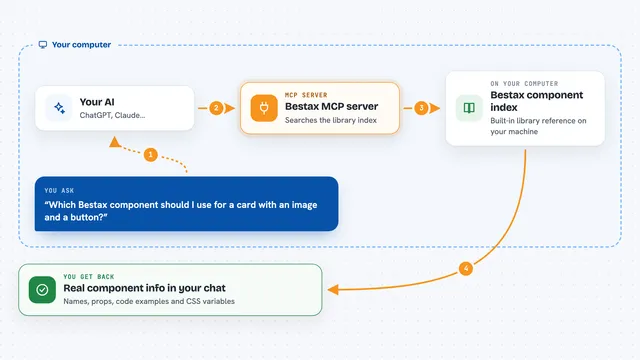
You ask your AI to check a web address or a PDF. The AI passes that request to this helper, which sends it to the wcagc service. The service runs an automated accessibility scan and sends the results back. The helper hands those results to your AI, and your AI explains them to you in the chat. Every result comes with a note that automated testing only finds part of the problems, so you know a human still needs to look.
 Click to zoom
What you can do with it
- Scan any public web page for accessibility issues
- Check a public PDF for structure problems
- Read back the findings and severity counts from a scan
- Crawl and scan every reachable page of a site you have registered
- Group repeated problems so you can see the biggest patterns
- Replay a saved multi-step journey and check each step
- Look at how a site's violation count has changed over time
Try asking your AI
- “Scan https://example.com and tell me what accessibility issues you find”
- “Check this PDF for accessibility structure problems: https://example.com/report.pdf”
- “Show me the findings from that last scan, grouped by severity”
- “How has the number of accessibility violations on my site changed over the past month”
What it gives back to you
You get a list of findings, each with a short description and a severity level, plus counts by severity. For full-site runs you can also get grouped patterns and how many pages or elements each one affects. Trend requests give you a history of violation counts over time. Everything shows up as text in the chat, and each scan result includes a reminder that automated testing only catches part of the issues.
Before you start
What you need
- A wcagc account
- An mcp:scan API key from your wcagc account (found under Settings, then API keys)
- Node.js installed if you run it locally on your computer
- A paid wcagc plan for the site-wide, journey, and trend features
Good to know
Starting a scan uses your wcagc account and counts against your plan's quota, and the results never prove a page is fully accessible, only that automated testing found no issues in the part it can check.
Install it with your AI
Add wcagc accessibility MCP server to your AI, no technical skills needed
You don't install anything by hand. You copy one prompt, paste it into an AI that can work on your computer, and it checks, installs and connects the server for you, asking you when it needs something.
Sign in to get the install prompt
Members get a ready-made prompt that lets the Claude desktop app check wcagc accessibility MCP server, install it and connect it for them, step by step. You don't need any technical skills: you copy, paste and answer a few questions. Your connected AI can also find and install any of the 4,609 MCP servers here for you.
Who it's for
Web teams, content editors, and anyone who has to check pages or PDFs for accessibility and wants plain answers instead of a testing tool.