AI tool
Doop
Doop is an open source infinite canvas where AI agents like Claude or ChatGPT collaborate with visible cursors, streaming designs and sharing memory of decisions. It is for designers and developers who want to bring their own AI keys and let multi...
About Doop
Doop is an infinite multiplayer canvas where AI agents design alongside you in real time. Claude, Codex, and any MCP-compatible agent stream frames onto the canvas live, review each other's work, and share a single memory of your decisions, design taste, and context. The tool is open source and works with your own AI subscriptions - no platform tokens or markup.
Review
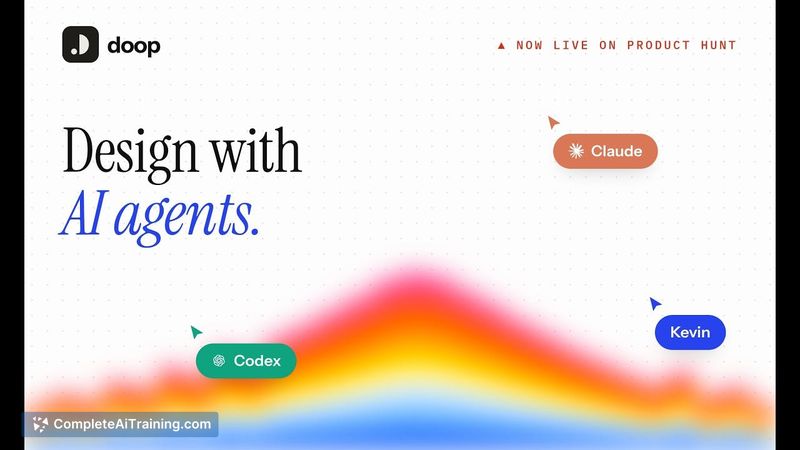
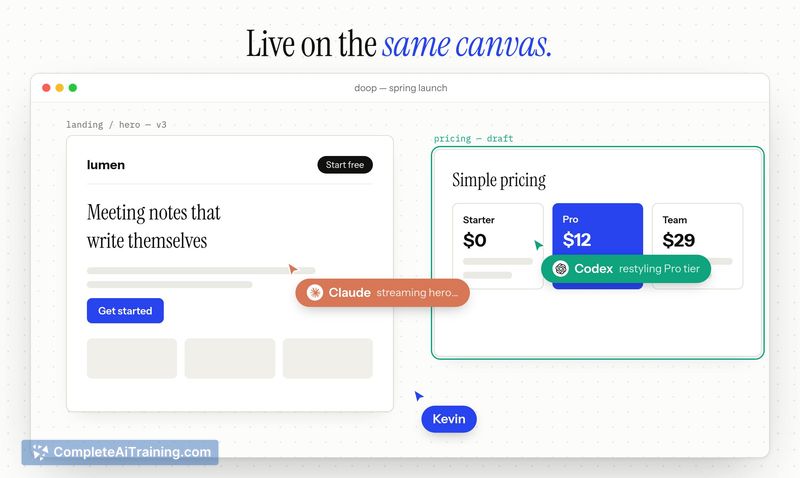
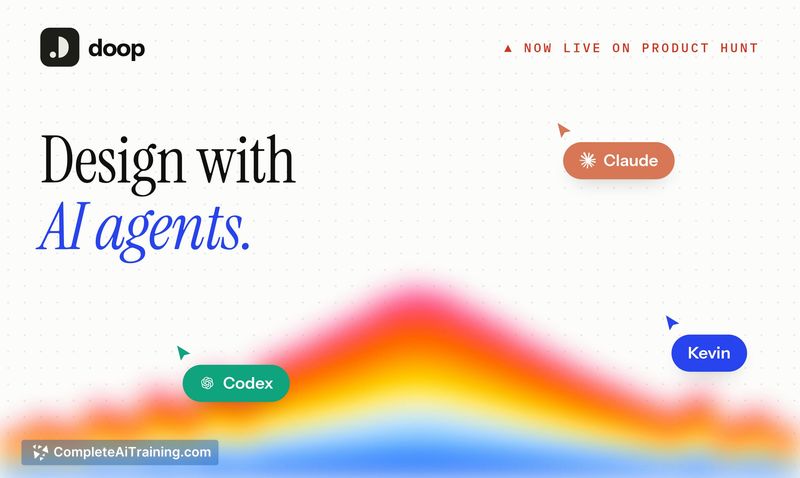
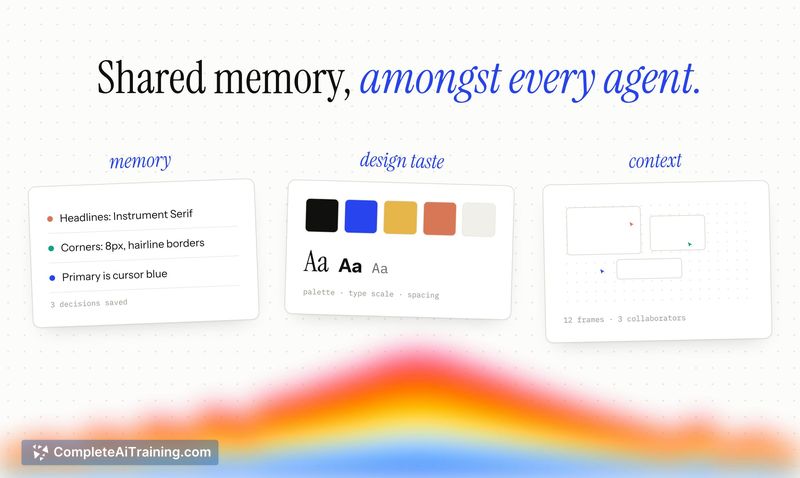
Doop approaches AI-assisted design by treating agents as visible collaborators on a shared canvas rather than background processes. You see their cursors move, watch them stream designs frame by frame, and they reference a shared memory that persists across sessions. The setup requires connecting your own Claude or ChatGPT subscription through MCP, which means the tool itself doesn't sell or resell AI access.
Key Features
- Infinite multiplayer canvas that displays AI agent cursors and frame-by-frame design streaming in real time
- Shared memory system that stores design rules in an editable markdown file plus a knowledge graph tracking decisions and style preferences
- Bring-your-own-AI model: connect existing Claude, ChatGPT, or other MCP agent subscriptions directly
- Agent-to-agent review where multiple AI agents critique each other's work on the same canvas
- Open source codebase, available as both a desktop and web application
Pricing and Value
Doop itself is free and open source. There are no platform tokens or usage markups. The cost depends entirely on the AI subscriptions you already hold - you connect Claude, ChatGPT, Codex, or other MCP agents you pay for independently. The maker has not announced any paid tiers or future pricing structure for Doop itself.
Pros
- No vendor lock-in for AI usage; you control which models and subscriptions power the canvas
- Shared memory prevents agents from forgetting earlier design decisions across sessions
- Transparent agent behavior - you literally watch cursors move and frames render step by step
- Open source licensing means teams can inspect, modify, or self-host the tool
- Works with any MCP-compatible agent, not limited to a single AI provider
Cons
- Requires existing AI subscriptions and familiarity with MCP setup, which adds friction for first-time users
- Agent collaboration features depend heavily on the capabilities and reliability of third-party AI models Doop doesn't control
- Not well suited for users who want a plug-and-play design tool without managing API keys or agent configurations
Doop fits teams and solo builders who already work with Claude Code, Codex, or similar MCP agents and want those agents to share design context on a visual canvas. It's less practical for someone who doesn't want to manage their own AI subscriptions or learn MCP configuration. The open source approach and shared memory architecture address a real friction point - agents forgetting past decisions - though the experience depends on how well the connected models perform on any given day.
Jobs Doop suits
We checked Doop against 500+ jobs; these get the most out of it.
Alternatives to Doop
Other tools that do the same main job. Our AI compared Doop with similar tools and kept the ones you could use instead.