
Learning path
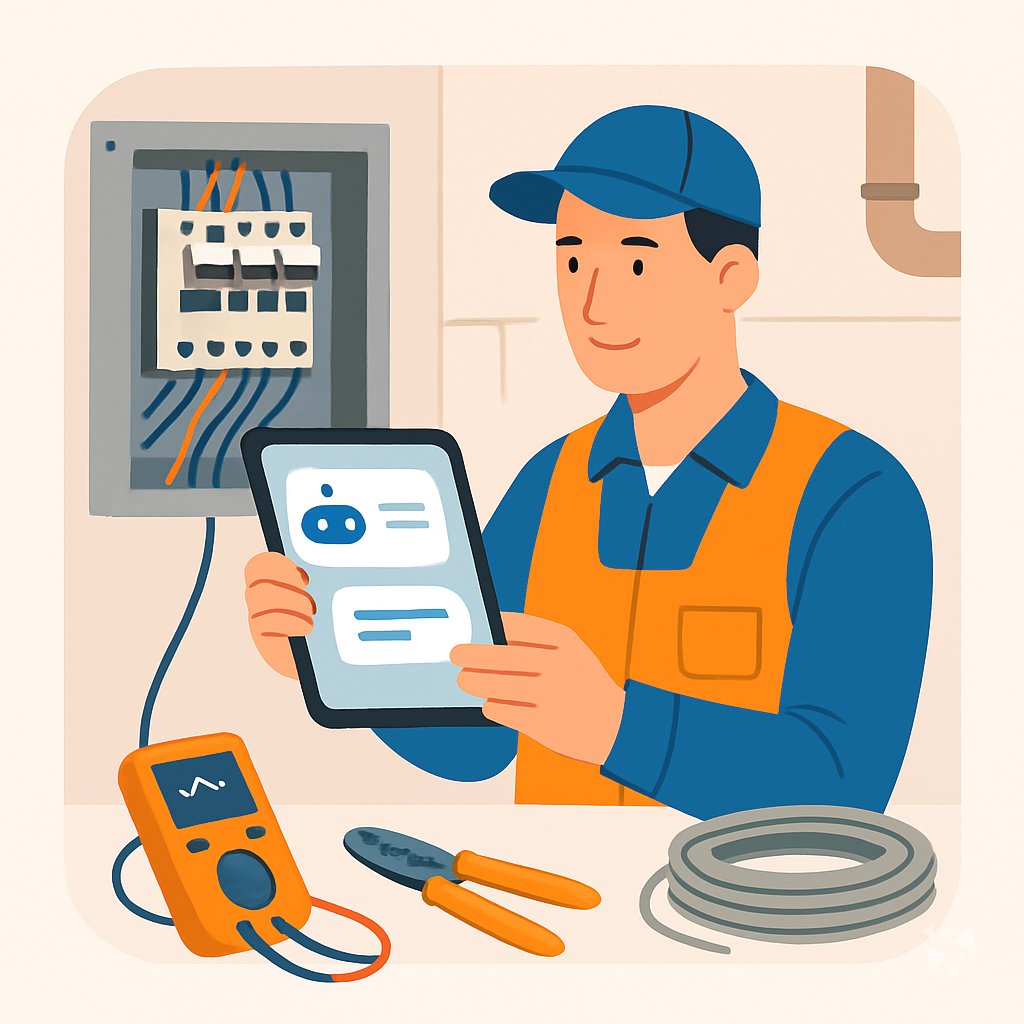
Learning AI as an Electrician
This path helps electricians use AI for quotes, job planning, troubleshooting, code checks, and records. It also includes video courses and certificates picked for electrical work.
Your path
Everything in the Electrician AI kit, in the order that makes sense. Members tick off each step and see their progress.
Set up your AI
We guide you through each click.
Let skills do your everyday tasks
Connect your apps and pick your AI apps
Hand whole tasks to AI agents
Build your own tools
Everything for electricians
All the courses, certifications, AI tools, MCP servers and apps for electricians, most relevant first. Open any list to see more.
Take the prompt courses
A short framework course to learn how to ask, then 8 lessons with ready-to-use prompts for electricians.
Start with this framework: how to talk to AI
RISEN helps you turn a rough job note into a step-by-step panel upgrade plan with load calculations, permits, and inspection checklist.
Then your prompt course for electriciansWatch the video courses or add them to your Favorites for later
66 video courses our AI picked for electricians, most useful first. Save the ones you want to watch later with the heart.
Favorites are saved to your account: sign in or get your AI kit first.
Show all 66 video courses
Get certified, or add certifications to your Favorites
Every course ends in an exam and a certificate you can add to LinkedIn. Save the certifications you are aiming for with the heart.
Favorites are saved to your account: sign in or get your AI kit first.
More certifications for electriciansShow all 24 certifications
Try the AI tools for electricians
1 AI tools our AI matched to the work of electricians, best fit first. Each review shows what it does, its alternatives and the jobs it suits.
Favorites are saved to your account: sign in or get your AI kit first.
Connect your AI to the apps electricians use
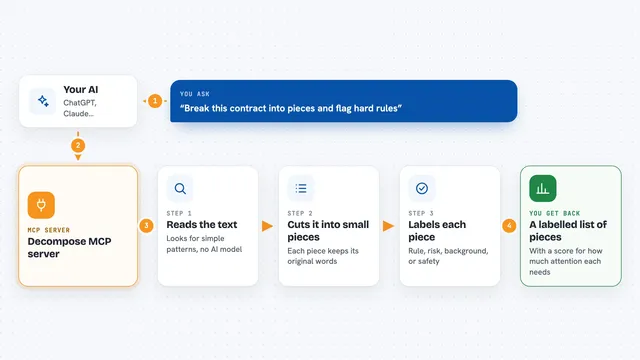
MCP servers let ChatGPT, Claude or Copilot look things up and get work done in other apps, like your email, calendar or bookkeeping software. These 1 fit the work of electricians best, well-known apps first.


























About this learning path
6 topicsAI Skills for Electricians on the Job
Electricians solve real problems in homes, shops, and plants. AI can help you turn a messy fault description into a clear plan, write a quote a homeowner understands, and keep test records tidy. You stay in charge of the trade. The tools just help with the paperwork and thinking out loud.
You do not need to be technical with computers. This path starts with simple setup questions, then shows how to connect your AI and use it for daily electrical tasks. You also get this prompt course and video courses chosen for electricians, with the certificates those courses offer.
Why AI Matters Now
Customers expect fast answers and clear prices. Code details, new equipment, and busy schedules leave little room for long writing or searching. AI can help you explain, plan, and check your work without adding hours to the day.
Younger helpers and office staff already use these tools. Knowing how to ask good questions keeps your experience in front, not behind.
What the Path Includes
You begin with setup questions and connecting your AI to the tools you already use. Then you learn skills for the job inside your AI, such as quote writing, job planning, and record keeping. The path includes this prompt course and video courses picked for electrical work, plus the certifications those courses offer.
Each step is short and practical. You can try a prompt on a real job the same day.
How It Saves Time
AI can draft a homeowner explanation from your notes, turn a fault description into a checklist, and organize test readings into a clean record. It can also help you study for an exam or understand a new panel before you install it.
You still verify every number, code point, and safety step. The time saved comes from less blank-page writing and fewer repeated explanations.
How It Protects Your Career
The trade is changing. Customers, inspectors, and employers want clear records and quick answers. Electricians who can use AI to document, explain, and plan are more valuable on the crew.
You build a habit of checking your work and keeping safety first. That protects your license, your reputation, and your ability to move into bigger jobs.
How to Start
Set aside one short block this week. Ask the setup questions, connect your AI, and try one lesson prompt from a current job. Use a simple fault call or a small quote to practice.
Move through the prompt course at your own pace. Then watch one video course that matches the work you want next. Keep what helps. Leave the rest.
Frequently asked questions
Do I need to be good with computers?
No. If you can send a text and use a web browser, you can start. The path begins with setup questions and simple steps for connecting your AI.Will AI replace my electrical judgment?
No. AI helps with wording, planning, and organizing information. You decide what is safe, what meets code, and what goes on the job.What video courses are included?
The path includes video courses chosen for electricians, such as code basics, motor controls, and job planning. Each course lists the certificate it offers when you finish.Can I use AI for code questions?
You can use it to review common code points and prepare safety talks, but always check the actual code text and local rules. Treat AI as a study partner, not the final authority.