
Learning path
Learning AI as a Paramedic
Paramedics make fast decisions with incomplete details. This path shows how to use AI for reports, handoffs, dose checks, and tough-call debriefs, without giving up clinical judgment.
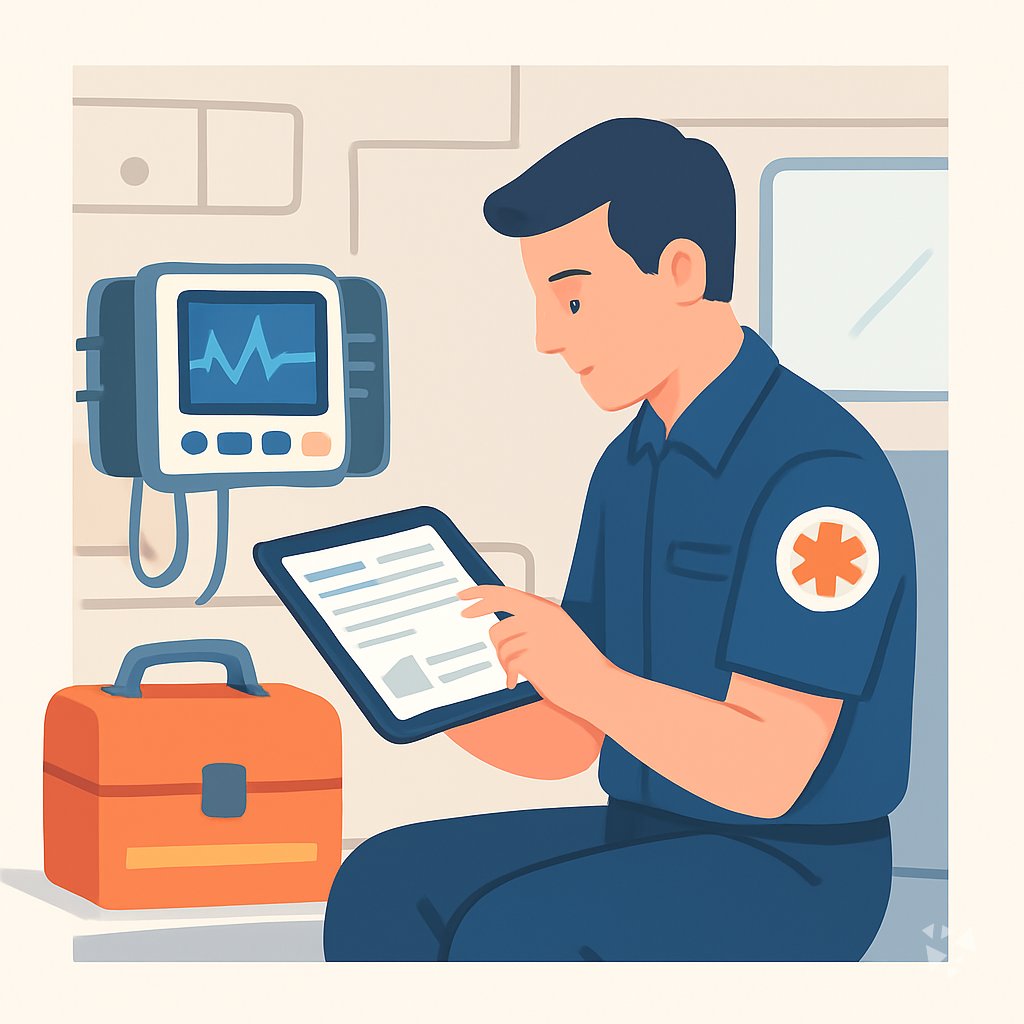
Your path
Everything in the Paramedic AI kit, in the order that makes sense. Members tick off each step and see their progress.
Set up your AI
We guide you through each click.
Let skills do your everyday tasks
Connect your apps and pick your AI apps
Hand whole tasks to AI agents
Build your own tools
Keep growing
Everything for paramedics
All the courses, certifications, AI tools, MCP servers and apps for paramedics, most relevant first. Open any list to see more.
Take the prompt courses
A short framework course to learn how to ask, then 9 lessons with ready-to-use prompts for paramedics.
Start with this framework: how to talk to AI
TIDD-EC fits your paramedic work because it specifies do, don't, and precise steps, like documenting drug dosage and contraindications before handoff.
Then your prompt course for paramedics- 1Patient Care Documentation3 prompts
- 2Handoff And Radio Reports3 prompts
- 3Patient And Family Communication3 prompts
- 4Medication And Dose Checks3 prompts
- 5Protocol And Drug Questions2 prompts
- 6Equipment Troubleshooting3 prompts
- 7Scenario And Skills Practice3 prompts
- 8Incident Reports And Admin2 prompts
- 9Debrief And Resilience2 prompts
Watch the video courses or add them to your Favorites for later
77 video courses our AI picked for paramedics, most useful first. Save the ones you want to watch later with the heart.
Favorites are saved to your account: sign in or get your AI kit first.
Show all 77 video courses
Get certified, or add certifications to your Favorites
Every course ends in an exam and a certificate you can add to LinkedIn. Save the certifications you are aiming for with the heart.
Favorites are saved to your account: sign in or get your AI kit first.
More certifications for paramedicsShow all 24 certifications
Try the AI tools for paramedics
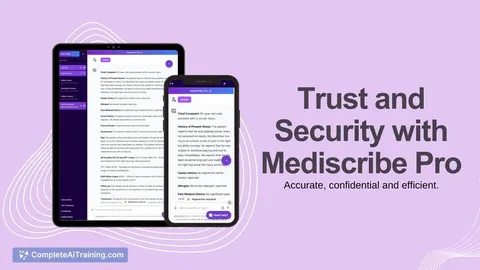
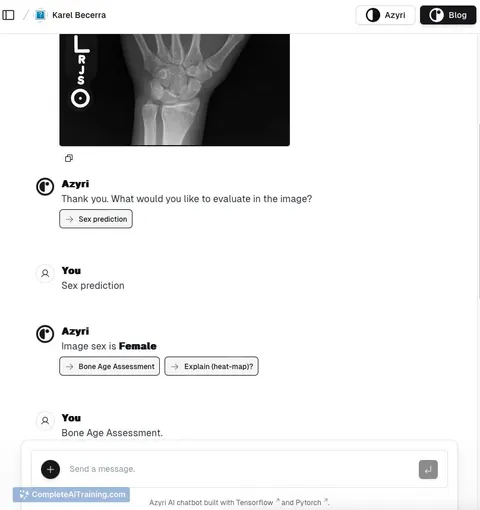
3 AI tools our AI matched to the work of paramedics, best fit first. Each review shows what it does, its alternatives and the jobs it suits.
Favorites are saved to your account: sign in or get your AI kit first.


























About this learning path
6 topicsAI Skills for Paramedics on Every Shift
You work in noisy stairwells, moving ambulances, and crowded emergency departments. The details matter, and the clock rarely stops. AI can help you hold onto those details and hand them off clearly.
This learning path is built for paramedics who are not technical. It starts with setup questions, helps you connect your AI, and then walks through job skills, a prompt course, and short video courses chosen for your role.
Why AI matters for this job now
Emergency care is full of small facts that need to survive a chaotic scene. A medication time, a change in breathing, a family detail, or a radio report can shape the next hour of care. AI can help you organize those facts without slowing you down.
What the path includes
The path starts with setup questions to pick the AI tool that fits your comfort and your agency rules. Then it helps you connect your AI and shape it with job skills, so it understands terms like 12-lead, SBAR, and drip rate.
Next comes the prompt course with nine lessons, from patient care documentation to debrief and resilience. Alongside it, you get short video courses picked for paramedics, and each course offers a certificate you can keep for your file.
How it saves time on shift
You can turn rough notes into a clean report draft before you leave the station. You can build a radio handoff in seconds, check dose math with the work shown, and get a quick protocol refresher without paging through old emails.
The time you win back is yours. Some paramedics use it to eat, rest, or get home closer to on time.
How it protects your career
Clear, consistent documentation is one of the best ways to protect your license and your reputation. AI can help you write factual incident reports, neutral case summaries, and thorough patient care reports that stand up to review.
It does not replace your judgment or your protocols. You stay the clinician. The path teaches you to check every output, cite local rules, and keep patient details private.
How to start without adding stress
Start with one lesson that matches your next shift. If you have a run of transfers, try Patient Care Documentation. If handoffs keep getting interrupted, try Handoff And Radio Reports.
Set aside twenty minutes, bring one real call to mind, and type the prompt exactly as written. Then change one detail and see how the answer shifts. Small practice beats a long study plan.
Frequently asked questions
Do I need to be good with technology?
No. The path starts with setup questions and simple steps to connect your AI. If you can send a text message, you can follow along.Will this replace my clinical judgment?
No. AI is a helper for writing, organizing, and checking. You still assess the patient, follow local protocol, and make every care decision.What about patient privacy?
Use your agency rules first. Keep names, faces, and identifying details out of prompts unless your service has approved a secure tool. The course shows safe ways to practice with de-identified details.How long does the learning path take?
You can move at your own pace. Most paramedics start with one prompt lesson, then add short video courses as shifts allow. The goal is steady practice, not a race.