MCP server · Analytics
Alkemi MCP server
by alkemi-ai
Ask your AI questions about your Snowflake, BigQuery or Databricks data in plain English.
This is a small helper that connects your AI assistant to Alkemi, a service that sits in front of your data warehouses like Snowflake, Google BigQuery and Databricks. Once it is set up, you can just type a normal question and your AI will go and get the answer from your real data. It is handy for anyone who has data in those systems but does not want to write SQL by hand.
What is an MCP server? The 30-second version
On its own, your AI can only chat with you using what it already knows. An MCP server is a small helper program that gives your AI a new skill or a connection to another service. This one connects your AI to Alkemi, which in turn knows how to talk to your Snowflake, BigQuery and Databricks data. So when you ask a question, your AI passes it to this helper, and the helper brings back the answer from your actual data.
What this MCP server does
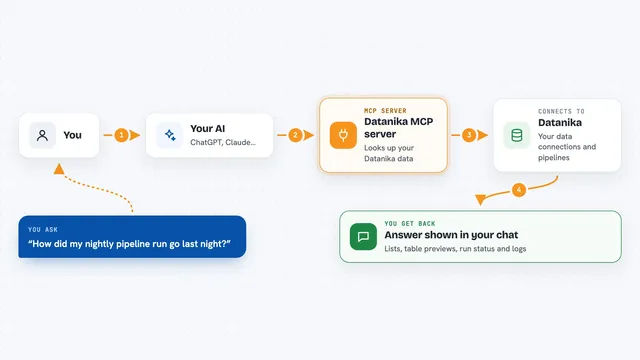
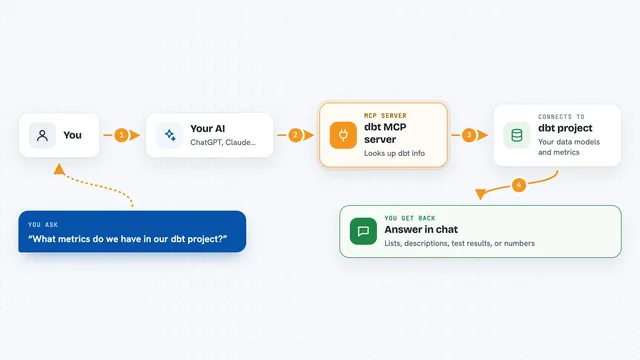
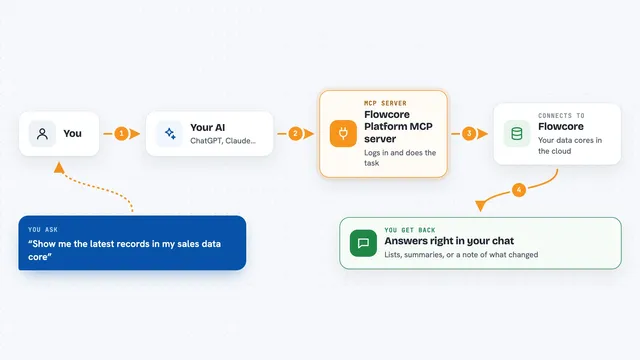
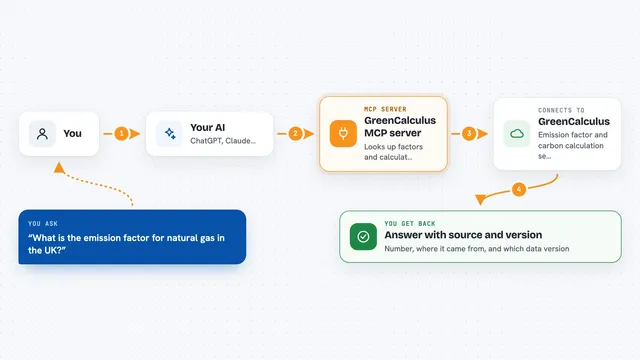
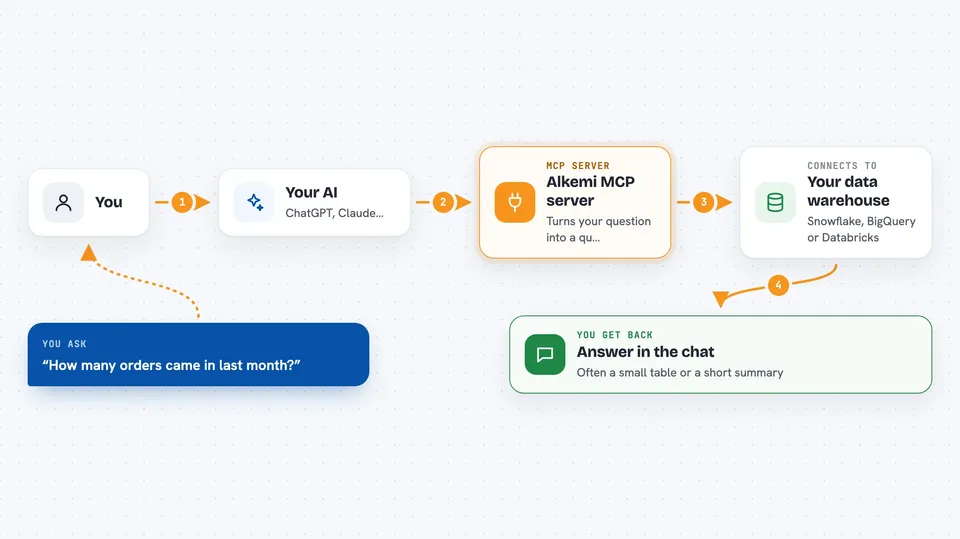
You type a question in plain English, like how many orders came in last month. Your AI sends that question to this helper program running quietly on your computer. The helper passes it to Alkemi, which knows the shape of your tables and writes the right query for you. Alkemi runs that query against your Snowflake, BigQuery or Databricks data and sends the result back. Your AI then shows you the answer in the chat, often as a small table or a short summary.
 Click to zoom
What you can do with it
- Ask questions about your Snowflake, BigQuery or Databricks data in plain English
- Get numbers, totals and counts without writing any SQL
- Look up specific records or rows by describing what you want
- Share the same setup with teammates so everyone queries the same way
- Point the helper at one specific data product if you only want that one
- Run several of these side by side for different teams or datasets
Try asking your AI
- “How many new customers signed up last month?”
- “Show me the top 10 products by revenue this quarter.”
- “What was our total web traffic on the busiest day last week?”
- “List the orders that were refunded in the last 30 days.”
What it gives back to you
You get back a written answer in the chat, usually with a small table or a list of rows. For counting or summing questions you get a single number or a short summary. For listing questions you get the rows you asked for, shown as a table. The helper does not change your data; it only reads it and brings answers back.
Before you start
What you need
- A free Alkemi API key from datalab.alkemi.ai (this is a kind of password for apps)
- An Alkemi account with at least one data product connected to Snowflake, BigQuery or Databricks
- The Claude desktop app, or another app that supports MCP servers
- Node.js installed on your computer (the free program that runs npx)
Good to know
This helper reads your real business data, so only connect data products you are comfortable letting your AI see.
Install it with your AI
Add Alkemi MCP server to your AI, no technical skills needed
You don't install anything by hand. You copy one prompt, paste it into an AI that can work on your computer, and it checks, installs and connects the server for you, asking you when it needs something.
Sign in to get the install prompt
Members get a ready-made prompt that lets the Claude desktop app check Alkemi MCP server, install it and connect it for them, step by step. You don't need any technical skills: you copy, paste and answer a few questions. Your connected AI can also find and install any of the 4,361 MCP servers here for you.
Who it's for
Analysts, managers and anyone on a team who has data in Snowflake, BigQuery or Databricks and wants answers without writing SQL.