MCP server · Developer tools
SonarQube Metrics MCP server
by ArchAI-Labs
Lets your AI look up code quality numbers, issues and history from your SonarQube projects.

This is a small helper that connects your AI assistant to SonarQube, the tool many teams use to check code quality. Once it is set up, you can just ask your AI questions about your projects instead of clicking around the SonarQube website. It is handy for developers, team leads and anyone who keeps an eye on bugs, coverage and code smells.
What is an MCP server? The 30-second version
On its own, your AI can only chat with you. An MCP server is a small helper program that gives your AI a new skill or a connection to another app. This one connects your AI to your SonarQube account, so it can look up project metrics and issues for you. You ask in plain words, and the helper fetches the answer from SonarQube.
What this MCP server does
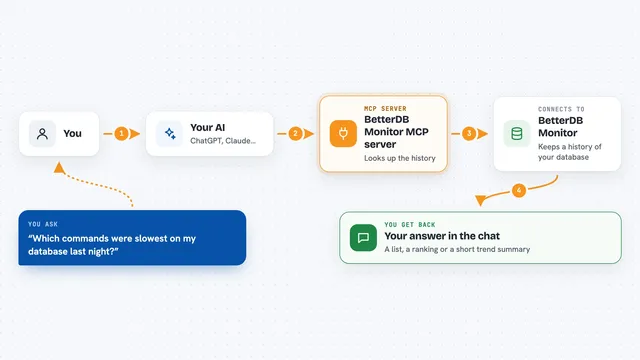
You ask your AI something like how many bugs your project has. The AI passes that request to this helper program. The helper then talks to your SonarQube instance using your URL and token, and pulls back the numbers or issues you asked about. The AI turns that into a normal chat answer. It can also fetch history over time and list the files or folders inside a project.
 Click to zoom
What you can do with it
- Check the health of your SonarQube connection
- List the projects you can access
- Get current bugs, vulnerabilities, code smells, coverage and duplication for a project
- See how those metrics changed over time
- Drill down into metrics for each file or folder in a project
- Fetch issues filtered by type, severity or whether they are resolved
- Create or delete a SonarQube project (admin rights needed)
Try asking your AI
- “How many bugs and code smells does my project my-app have right now?”
- “Show me the coverage history for my-app over the last 30 days”
- “List the open critical issues in my-app”
- “Which files in my-app have the most duplicated code?”
What it gives back to you
You get back plain answers in the chat, like a count of bugs, a coverage percentage, or a list of issues with their type and severity. For history and component trees, it returns a set of values over time or per file. It can also confirm when a project was created or deleted. Everything shows up as normal text you can read or copy.
Before you start
What you need
- Python 3.7 or newer installed on your computer
- A SonarQube instance you can reach, with its web address
- A SonarQube API token (a kind of password for apps, created in your SonarQube account settings)
- The FastMCP, httpx, pydantic and python-dotenv packages installed
Good to know
It can create and delete SonarQube projects, and deleting one cannot be undone, so be careful with those requests.
Install it with your AI
Add SonarQube Metrics MCP server to your AI, no technical skills needed
You don't install anything by hand. You copy one prompt, paste it into an AI that can work on your computer, and it checks, installs and connects the server for you, asking you when it needs something.
Sign in to get the install prompt
Members get a ready-made prompt that lets the Claude desktop app check SonarQube Metrics MCP server, install it and connect it for them, step by step. You don't need any technical skills: you copy, paste and answer a few questions. Your connected AI can also find and install any of the 4,609 MCP servers here for you.
Who it's for
Developers, DevOps engineers and team leads who track code quality in SonarQube and want quick answers without opening the website.