MCP server · Developer tools · official
Seedfast MCP server
by seedfast-ai · official
Let your AI fill a PostgreSQL test database with realistic fake data based on its real structure.

Seedfast is a helper that fills a PostgreSQL database with fake but realistic test data. It looks at the actual structure of your database and creates rows that fit together properly, so you get a test environment that behaves like the real thing without copying real customer data. It is handy for developers, testers and anyone who needs a working database to try things on.
What is an MCP server? The 30-second version
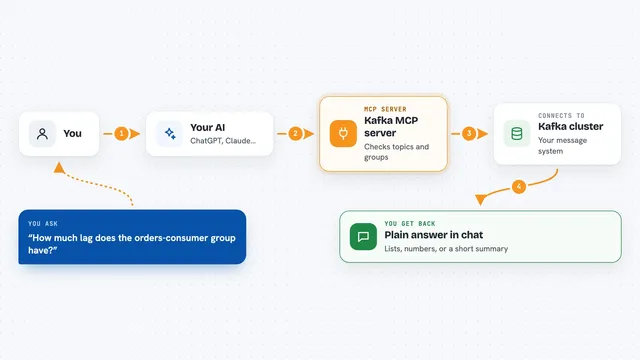
On its own, your AI can only chat with you. An MCP server is a small helper program that gives your AI a new skill or a connection to another app. This one connects your AI to Seedfast, which talks to your PostgreSQL database. So when you ask your AI to fill your test database, it can actually go and do it for you.
What this MCP server does
You ask your AI something like "fill my test database with 100 fake customers and their orders". Your AI uses this helper to look at the real structure of your database, so it knows which tables exist and how they link together. The helper then builds a plan and runs it, writing realistic fake rows into the database. You can check on the run while it is going, answer any questions it asks, or stop it if you change your mind. When it is done, you get a summary of what was created.
 Click to zoom
What you can do with it
- Fill a PostgreSQL test database with fake but realistic data
- Check that a database connection works before anything is written
- Read the live structure of your database
- Build and save a plan for what data to generate
- Run a seeding job and watch its progress
- Answer questions a run asks while it is waiting
- Cancel a run that is in progress
Try asking your AI
- “Fill my test database with 50 fake customers and their orders”
- “Check that my staging database connection works”
- “Show me the structure of my database so we can plan some test data”
- “List the seeding plans I have saved”
What it gives back to you
You get back plain answers in the chat: a summary of what was created, how many rows went into each table, and whether the run finished or is still going. You can also ask to see the structure of your database or a list of your saved plans. If a run is waiting on a question, your AI will show you what it needs before it carries on.
Before you start
What you need
- A PostgreSQL database you are allowed to write test data into
- A Seedfast API key from the Seedfast dashboard (a kind of password for apps)
- Node.js installed if you use the npx option, or the Seedfast CLI if you prefer a local install
- The config block added to your AI app (Claude Desktop, Cursor, VS Code or Claude Code)
Good to know
This tool writes data into your database, so point it at a test or development database and not at production.
Install it with your AI
Add Seedfast MCP server to your AI, no technical skills needed
You don't install anything by hand. You copy one prompt, paste it into an AI that can work on your computer, and it checks, installs and connects the server for you, asking you when it needs something.
Sign in to get the install prompt
Members get a ready-made prompt that lets the Claude desktop app check Seedfast MCP server, install it and connect it for them, step by step. You don't need any technical skills: you copy, paste and answer a few questions. Your connected AI can also find and install any of the 4,361 MCP servers here for you.
Who it's for
Developers, testers and data engineers who need a realistic PostgreSQL test database without copying production data.