MCP server · Developer tools
Source Code to Knowledge Base MCP server
by vezlo
Turn any code repository into a searchable knowledge base your AI can query in plain English.

This is a helper that reads a folder of source code and turns it into a searchable knowledge base. Once it is connected, you can ask your AI questions about that code and get answers in everyday language. It is handy for anyone who needs to understand a codebase without reading every file.
What is an MCP server? The 30-second version
On its own, your AI can only chat with you using what it already knows. An MCP server is a small helper program that gives your AI a new skill or a connection to something else. This one connects your AI to a knowledge base built from source code, so it can look things up there when you ask. You do not need to understand how it works inside; you just ask a question and the AI uses this helper to find the answer.
What this MCP server does
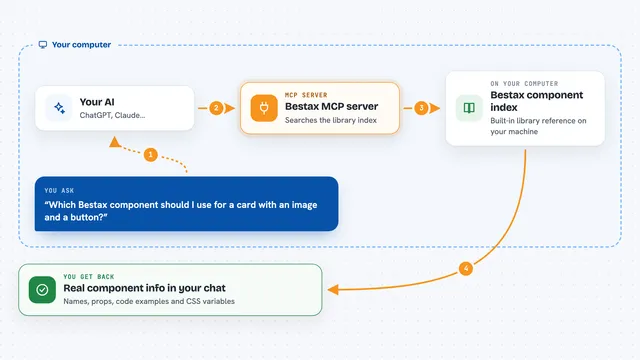
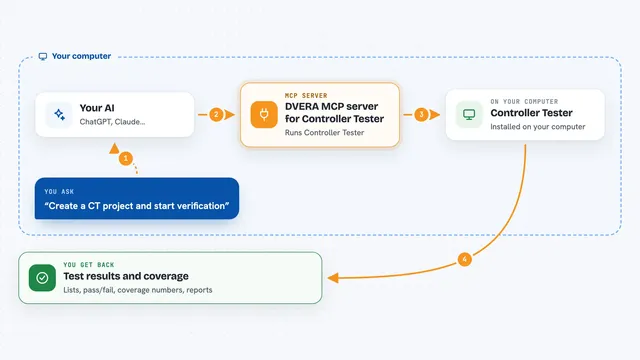
First, you point the tool at a folder of code, and it reads the files and breaks them into small pieces. If you turn on embeddings, it also creates a kind of search index so the AI can find related ideas, not just exact words. Then, when you ask your AI a question, the AI sends that question to this helper. The helper searches the knowledge base and sends back the most relevant pieces. Your AI reads those pieces and writes a clear answer for you in the chat.
 Click to zoom
What you can do with it
- Ask questions about a codebase in plain English
- Get simple explanations for non-technical people
- Get technical details and architecture for developers
- Get code examples and patterns you can copy
- Search across multiple programming languages
- Import Notion pages and databases into the same search
- Choose between end user, developer, or copilot answer styles
Try asking your AI
- “How does routing work in this project?”
- “What payment methods do we support?”
- “Show me how authentication is implemented.”
- “Find code examples for user login.”
What it gives back to you
You get answers in the chat, written in the style you chose. For end users, it is a simple explanation. For developers, it includes technical details. For copilot mode, it gives you code snippets. The helper itself also creates files on your computer, like a knowledge base folder with documents and chunks, but you mostly see the final answer in the chat.
Before you start
What you need
- Node.js 18 or newer
- A code repository or a Notion page/database
- An OpenAI API key if you want embeddings or AI-powered search
- A Notion API key if you want to import from Notion
Good to know
It reads your source code and can send it to an external server if you set that up, so be careful with private or sensitive code.
Install it with your AI
Add Source Code to Knowledge Base MCP server to your AI, no technical skills needed
You don't install anything by hand. You copy one prompt, paste it into an AI that can work on your computer, and it checks, installs and connects the server for you, asking you when it needs something.
Sign in to get the install prompt
Members get a ready-made prompt that lets the Claude desktop app check Source Code to Knowledge Base MCP server, install it and connect it for them, step by step. You don't need any technical skills: you copy, paste and answer a few questions. Your connected AI can also find and install any of the 4,361 MCP servers here for you.
Who it's for
Developers, product managers, and anyone who needs to understand or search a codebase without reading every file.