
AI news ·
Google Integrates Ads into AI Chatbots, Cementing Its Dominance Amid Regulatory Scrutiny and Rising AI Costs
Google integrates ads into AI chatbot chats via AdSense, boosting ad reach amid rising AI use. This move helps Google secure new revenue streams amid regulatory pressure.
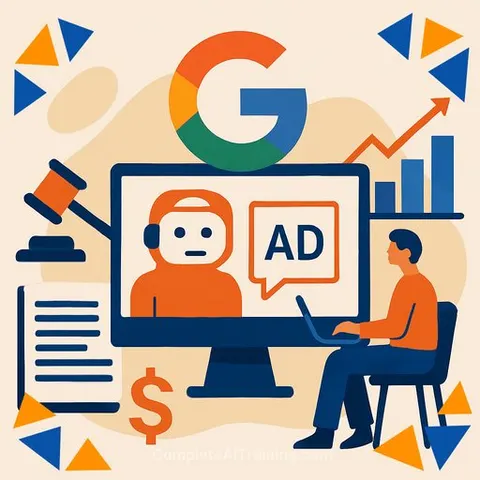
Google Places Ads in AI Chatbot Conversations
Google has started inserting advertisements within AI chatbot conversations through its AdSense network. This move strengthens Alphabet Inc.’s hold on digital advertising as generative AI gains traction. A Google spokesperson confirmed that “AdSense for Search is available for websites that want to show relevant ads in their conversational AI experiences.”
AI startups are adopting advertising models to cover the significant costs of running AI systems. This initiative arrives as Google faces increasing regulatory scrutiny over its dominance in the online advertising market.
Food for Thought
1️⃣ Google’s Defensive Pattern: Extending Ad Dominance to New Interfaces
Google’s step into chatbot advertising follows a 20-year trend of adapting its ad business to new technologies and user experiences. When AdWords launched in 2000, it changed digital advertising with a simple auction system for text ads. Over time, Google expanded to display ads, video, and mobile formats as those channels grew.
In 2018, Google rebranded from AdWords to Google Ads to reflect its broader advertising reach beyond search. This latest move into AI chatbot conversations shows how Google evolves its ad strategy to maintain dominance as user behavior shifts—from websites to mobile apps and now to conversational AI interfaces.
This expansion is especially important as Google’s core search advertising business, which generated $198 billion in 2024 (nearly 60% of Alphabet’s revenue), faces new competition from AI-native alternatives like Perplexity.
2️⃣ Regulatory Pressure Accelerates Google’s Move Into New Territories
Google’s push into chatbot advertising comes amid growing antitrust scrutiny, signaling a strategic pivot to secure new markets as its core advertising business encounters legal challenges. In April 2025, a federal judge ruled that Google violated antitrust laws in advertising exchanges and publisher ad servers, threatening its dominant position.
This ruling follows years of investigation into Google’s control over the “ad tech stack” and could lead to major business changes or forced divestitures. By embedding its ad network in AI startups’ chatbot platforms, Google opens new revenue streams and sets advertising standards in an emerging market before regulations catch up.
The timing is no accident. While regulators focus on Google’s past dominance in traditional web advertising, the company is positioning itself as a key infrastructure provider for AI monetization, aiming to stay relevant regardless of the outcome of antitrust cases.
3️⃣ The Economics Driving AI Startups Toward Advertising Models
Google’s chatbot ad integration addresses a major challenge for AI companies: finding sustainable revenue streams to offset high operating costs. Generative AI requires vast computational resources per user interaction, making advertising an attractive way to monetize despite potential impacts on user experience.
The global AI market topped $184 billion in early 2025 and is projected to reach $826 billion by 2030, creating strong incentives to establish effective monetization models early on. For example, Liner’s CEO described their approach as “a very early version of Google search ads,” showing how AI companies are adapting proven revenue models to new conversational formats.
This explains why startups like iAsk and Liner partner with Google—they gain instant access to Google’s extensive advertiser network and monetization infrastructure, avoiding the complexity of building these systems from scratch.
For marketing and product professionals, this shift means conversational AI platforms will increasingly become ad-supported, impacting user engagement strategies and revenue forecasts. Staying informed about these developments helps anticipate where digital advertising is heading.
To explore practical AI marketing strategies and courses, check out Complete AI Training’s latest AI courses.