
Learning path
Learning AI as an Audio Engineer
This path helps audio engineers use AI for session prep, recording notes, mixing plans, and studio admin. It includes setup help, prompts, and video courses with certificates.
Your path
Everything in the Audio Engineer AI kit, in the order that makes sense. Members tick off each step and see their progress.
Set up your AI
We guide you through each click.
Let skills do your everyday tasks
Connect your apps and pick your AI apps
Hand whole tasks to AI agents
Build your own tools
Everything for audio engineers
All the courses, certifications, AI tools, MCP servers and apps for audio engineers, most relevant first. Open any list to see more.
Take the prompt courses
A short framework course to learn how to ask, then 8 lessons with ready-to-use prompts for audio engineers.
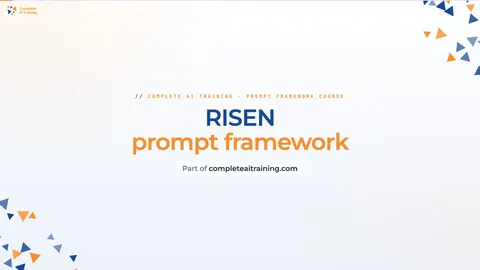
Start with this framework: how to talk to AI
Audio engineers use RISEN to structure multi-step session plans, like mapping mic placement, gain staging, and mix revisions before a client demo.
Then your prompt course for audio engineersWatch the video courses or add them to your Favorites for later
52 video courses our AI picked for audio engineers, most useful first. Save the ones you want to watch later with the heart.
Favorites are saved to your account: sign in or get your AI kit first.
Show all 52 video courses
Get certified, or add certifications to your Favorites
Every course ends in an exam and a certificate you can add to LinkedIn. Save the certifications you are aiming for with the heart.
Favorites are saved to your account: sign in or get your AI kit first.
More certifications for audio engineersShow all 24 certifications
Try the AI tools for audio engineers
7 AI tools our AI matched to the work of audio engineers, best fit first. Each review shows what it does, its alternatives and the jobs it suits.
Favorites are saved to your account: sign in or get your AI kit first.
Connect your AI to the apps audio engineers use
MCP servers let ChatGPT, Claude or Copilot look things up and get work done in other apps, like your email, calendar or bookkeeping software. These 4 fit the work of audio engineers best, well-known apps first.

Loudcheck MCP server
by chaoz23Ask your AI whether an audio or video file meets broadcast loudness rules, and get a clear pass or fail.

REAPER MCP server
by TwelveTake-StudiosLets your AI control REAPER for mixing, mastering, MIDI and music production.

Reaper Daemon MCP server
by wretcher207Let your AI mix and edit your REAPER music project by reading plugins, changing settings, and measuring the result.
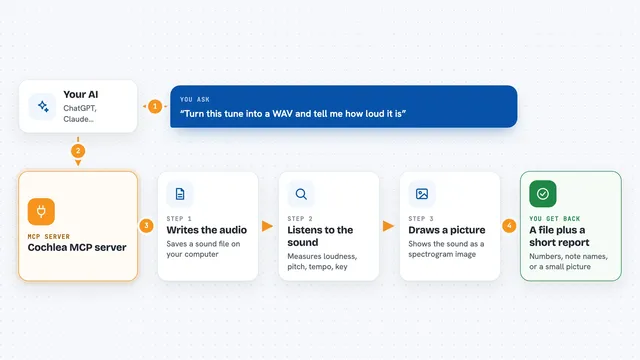
Cochlea MCP server
by richer-richardLet your AI create, render, and inspect audio files, then check the sound with numbers and pictures.
Build your own AI apps for audio engineers
Apps you build yourself with your own AI, no coding needed and no monthly fee. Our AI picked the 3 that fit the work of audio engineers.
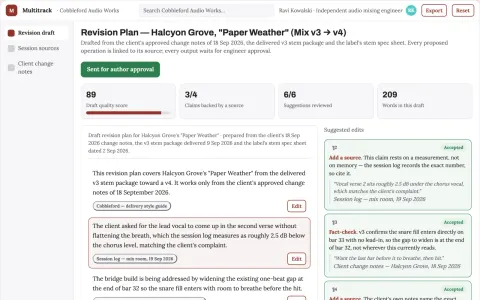
Multitrack revision execution studio
Deliver repeat mix revisions with less routine editing.
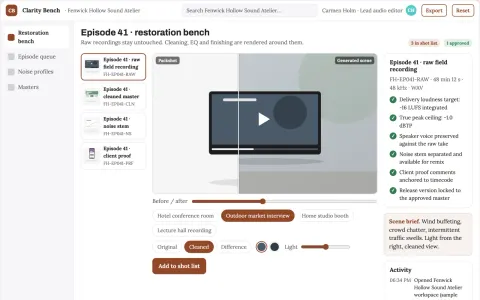
Managed audio restoration and clarity workbench
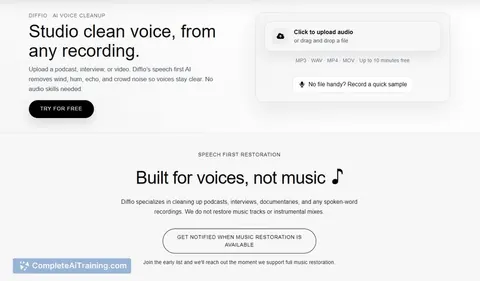
Reduce repair time per released episode while keeping the speaker's voice intact.
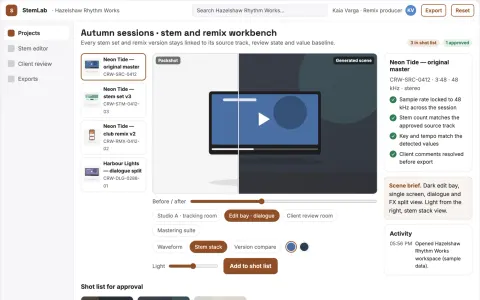
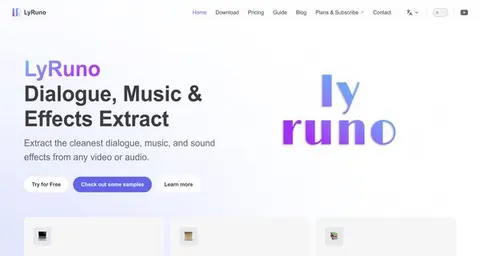
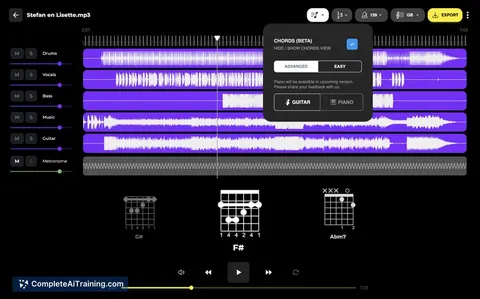
Stem separation and remix production workbench
Reduce tool switching and manual file handling while keeping the buyer's audio and workflow in one owned app.









About this learning path
6 topicsAI for Audio Engineers: Plan, Record, Mix, Deliver
Audio work is full of small decisions: which mic, what note, how to explain a mix, when to send a file. AI can help you organize those decisions without taking over your ears.
This path shows you where AI fits in a real studio day. You start with simple setup, learn prompts for each stage, then choose video courses that match the work you do.
Why AI Matters For Audio Work
Clients expect quick updates, clear quotes, and mixes that translate outside your room. AI can draft the words and checklists that slow you down.
It also helps you think through signal flow, cleanup plans, and delivery specs before you touch a fader. You stay the decision maker.
What The Path Includes
You get setup questions to choose an AI tool, help connecting ChatGPT, Claude, or Gemini, and skills to practice inside your AI for audio tasks.
The path also includes this prompt course and video courses picked for audio engineers. Each video course page shows whether it offers a certificate.
How The Path Saves Time
Use AI to turn a song, scene, or instrument list into a mic plan, input list, and checklist. Use it again for track sheets, cleanup plans, mix notes, and client recaps.
The time you save on setup and admin goes back into listening, recording, and finishing projects.
How The Path Protects Your Career
AI does not hear the room or make the final call on a vocal. It handles the repeatable thinking around your craft so you can focus on taste and trust.
When you can explain your choices in plain English, clients understand your value. That keeps you in the room for the next session.
How To Start
Pick one recent session. Ask your AI a simple question about the mic setup or the mix balance. Check the answer against what you know.
Then work through the prompt course in order, one lesson at a time. Add a video course when you want deeper practice on a specific part of the job.
Frequently asked questions
Do I need to be technical to use AI as an audio engineer?
No. You can start with plain language questions about mics, mixes, and studio admin. The path shows you what to ask and how to check the answers.Will AI replace audio engineers?
AI helps with planning, notes, and admin. It does not hear the room, place a mic, or make final taste calls. Your ears and judgment stay central.What do I need to begin the path?
A computer, internet, and access to one AI assistant like ChatGPT, Claude, or Gemini. Bring a recent session or project to practice with.How do the video courses and certificates work?
The path points to video courses chosen for audio work and shows which ones offer certificates. You can move at your own pace and keep the certificates for your profile.