MCP server · Developer tools
Selvage MCP server
by selvage-lab
Lets your AI review your code changes and point out bugs, quality issues, and security risks.

Selvage is a helper that lets your AI look at the code you changed and give you a review, like a colleague reading your work before you commit it. It works with tools like Cursor and Claude Code, and you ask for a review in plain language. It is handy for developers who want quick feedback on their changes without waiting for a teammate.
What is an MCP server? The 30-second version
On its own, your AI can only chat about things it already knows. An MCP server is a small helper program that gives your AI a new skill or a connection to another tool. This one connects your AI to Selvage, which reads your Git changes and reviews them. So when you ask for a review, your AI uses Selvage behind the scenes to look at your actual code.
What this MCP server does
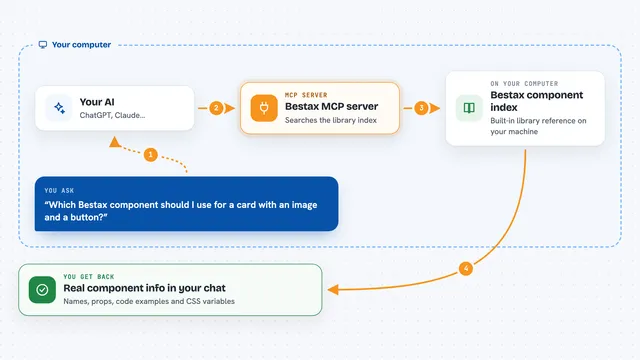
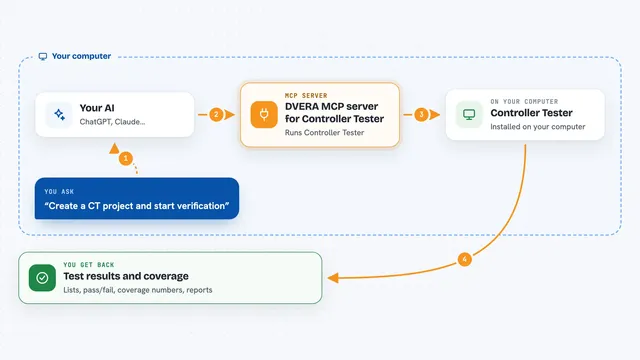
You ask your AI to review your current changes, your staged changes, or the differences between your branch and another branch. Your AI passes that request to Selvage. Selvage looks at your Git changes, pulls out just the relevant pieces of code, and sends them to an AI model for review. The review comes back to you in the chat, and Selvage also saves the result to a file you can open later.
 Click to zoom
What you can do with it
- Review your unstaged changes before you commit
- Review staged changes as a final check
- Compare your branch against main or another branch
- Review everything changed since a specific commit
- Pick which AI model does the review, or let Selvage choose
- Compare reviews from two different models side by side
- Get review context so your own AI does the review without a separate key
Try asking your AI
- “Please review my current changes using selvage mcp”
- “Review staged changes using gpt-5-high with selvage mcp”
- “Review my current branch against main using selvage mcp”
- “Get review context for my staged changes using selvage mcp, then review the code”
What it gives back to you
You get a written review in your chat: notes on code quality, possible bugs, and security concerns, usually grouped by file or change. Selvage also saves each review to a file, and you can browse past reviews in a small web page it can open for you. If you ask for review context instead, you get the code and instructions back so your own AI writes the review.
Before you start
What you need
- A Git project on your computer with some changes to review
- An OpenRouter API key (a kind of password for AI models; you get one free at openrouter.ai), unless you use the no-key option
- A coding assistant that supports MCP, such as Cursor or Claude Code
Good to know
It reads your local code changes and, if you use an API key, sends them to an outside AI service, so avoid reviewing files with secrets or private information.
Install it with your AI
Add Selvage MCP server to your AI, no technical skills needed
You don't install anything by hand. You copy one prompt, paste it into an AI that can work on your computer, and it checks, installs and connects the server for you, asking you when it needs something.
Sign in to get the install prompt
Members get a ready-made prompt that lets the Claude desktop app check Selvage MCP server, install it and connect it for them, step by step. You don't need any technical skills: you copy, paste and answer a few questions. Your connected AI can also find and install any of the 4,609 MCP servers here for you.
Who it's for
Developers and anyone who writes code and wants a fast second opinion on their changes before committing or opening a pull request.