
Learning path
Learning AI as an Automotive Engineer
This path helps automotive engineers use AI for specs, tests, and supplier notes. It covers setup, connecting your AI, job skills, prompts, and video courses with certifications.
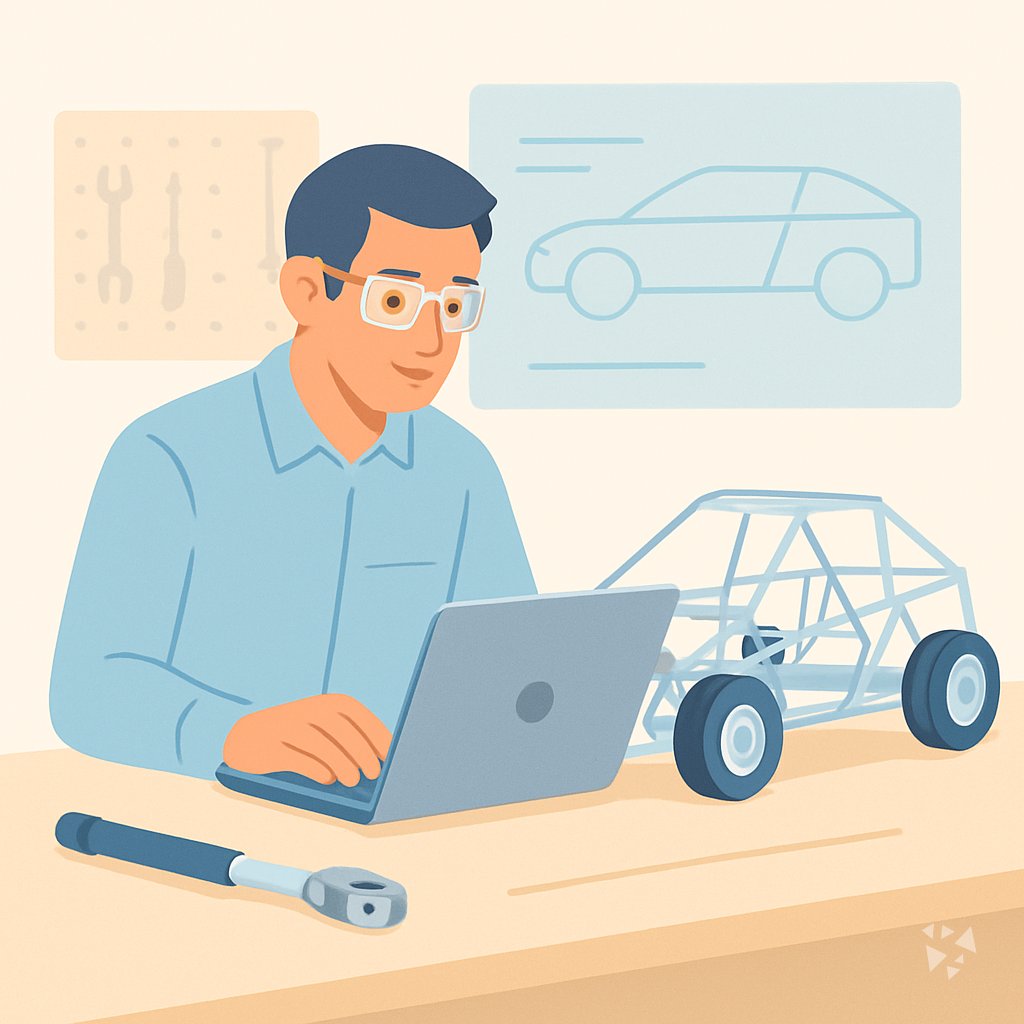
Your path
Everything in the Automotive Engineer AI kit, in the order that makes sense. Members tick off each step and see their progress.
Set up your AI
We guide you through each click.
Let skills do your everyday tasks
Hand whole tasks to AI agents
Build your own tools
Everything for automotive engineers
All the courses, certifications, AI tools, MCP servers and apps for automotive engineers, most relevant first. Open any list to see more.
Take the prompt courses
A short framework course to learn how to ask, then 9 lessons with ready-to-use prompts for automotive engineers.
Start with this framework: how to talk to AI
RISEN fits your automotive work by guiding multi-step brake system specifications from requirements to validation, keeping each engineering deliverable clear and complete.
Then your prompt course for automotive engineers- 1Everyday Engineering Writing5 prompts
- 2Explaining Technical Topics2 prompts
- 3Planning Tests and Validation3 prompts
- 4Checking Specs and Compliance3 prompts
- 5Estimating Cost and Performance2 prompts
- 6Troubleshooting from Descriptions3 prompts
- 7Analyzing Test and Simulation Data2 prompts
- 8Supplier and Cross-Team Communication2 prompts
- 9Learning Standards and New Methods2 prompts
Watch the video courses or add them to your Favorites for later
104 video courses our AI picked for automotive engineers, most useful first. Save the ones you want to watch later with the heart.
Favorites are saved to your account: sign in or get your AI kit first.
Show all 104 video courses
Get certified, or add certifications to your Favorites
Every course ends in an exam and a certificate you can add to LinkedIn. Save the certifications you are aiming for with the heart.
Favorites are saved to your account: sign in or get your AI kit first.
More certifications for automotive engineersShow all 24 certifications
Connect your AI to the apps automotive engineers use
MCP servers let ChatGPT, Claude or Copilot look things up and get work done in other apps, like your email, calendar or bookkeeping software. These 1 fit the work of automotive engineers best, well-known apps first.

























About this learning path
6 topicsAI for Automotive Engineers: A Clear Learning Path
AI is changing how automotive engineers work. It can help you write specs faster, plan tests, and explain technical ideas to people outside your team. But you need to know where to start.
This learning path gives you a simple, step-by-step way to bring AI into your daily work. You will set up your tools, connect your AI, learn the skills that matter for your job, take a prompt course, and watch video courses picked for automotive engineers. Each video course comes with a certification you can add to your profile.
Why AI Matters Now
Automotive engineering is full of writing, testing, and explaining. AI can take the first pass on many of those tasks, so you spend more time on design and less on busywork. Engineers who use AI well are becoming more valuable to their teams.
What the Path Includes
The path starts with setup questions to get your tools ready. Then you connect your AI, learn the skills for your job inside your AI, and take this prompt course. You also get video courses picked for automotive engineers, each with a certification. There is no book or handbook to read. Everything is hands-on and built around your work.
How It Saves Time
You will learn to turn rough notes into clean drafts, build test plans in minutes, and get quick answers to common questions. The prompts are designed for real tasks like writing change requests, checking specs, and drafting supplier emails. Small time savings add up over a week.
How It Protects Your Career
AI will not replace engineers who know how to use it. It will replace some tasks, but it also creates new opportunities. By learning these skills now, you show your team that you can adapt and lead. You become the person who gets more done with less stress.
How to Start
Start with the setup questions. Then connect your AI and try one prompt from the course. Pick a task you do every week, like writing a meeting summary. Once you see the time you save, add another prompt. The path is self-paced, so you can go as fast or slow as you need.
Frequently asked questions
Do I need to be technical to use AI?
No. The course is written for automotive engineers, but you do not need to know how AI works under the hood. You just need to be willing to try a few prompts and see what helps. The setup questions guide you step by step.How long does the learning path take?
Most people finish the path in a few weeks, working a little each day. You can go faster or slower. The video courses are short, and the prompt course is designed to fit around a busy schedule.Will AI replace my job as an automotive engineer?
AI will change some tasks, but it will not replace engineers who can design, test, and make decisions. The engineers who use AI well will have an advantage. This path helps you be one of them.Is my data safe when I use AI?
You should always follow your company's rules about sharing data. The course covers safety and privacy for automotive work, including what to avoid putting into AI tools. You will learn how to use AI responsibly.