
Learning path
Learning AI as a Surgeon
A practical path for surgeons who want to use AI in the clinic, the operating room, and the notes that follow. Set it up once, learn the prompts that fit your work, and keep your evenings.
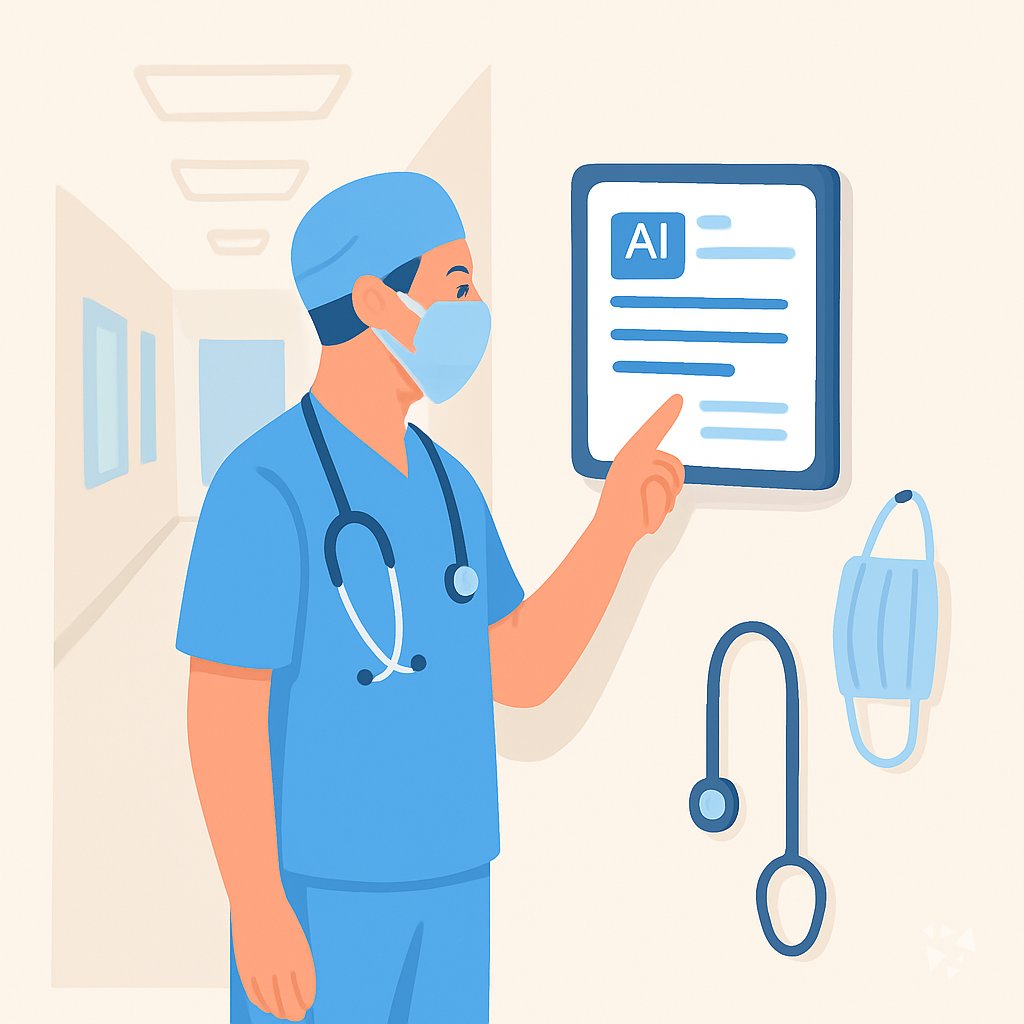
Your path
Everything in the Surgeon AI kit, in the order that makes sense. Members tick off each step and see their progress.
Set up your AI
We guide you through each click.
Let skills do your everyday tasks
Connect your apps and pick your AI apps
Hand whole tasks to AI agents
Build your own tools
Everything for surgeons
All the courses, certifications, AI tools, MCP servers and apps for surgeons, most relevant first. Open any list to see more.
Take the prompt courses
A short framework course to learn how to ask, then 8 lessons with ready-to-use prompts for surgeons.
Start with this framework: how to talk to AI
TIDD-EC suits surgeons because precise do and don't rules guide safe operative notes, such as documenting a laparoscopic cholecystectomy step by step.
Then your prompt course for surgeons- 1Explaining Surgery to Patients3 prompts
- 2Clinical Documentation Drafting3 prompts
- 3Preoperative Planning Support3 prompts
- 4Surgical Team Coordination3 prompts
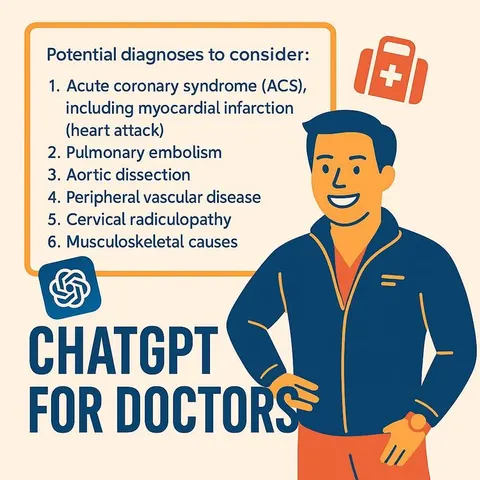
- 5Diagnostic Reasoning Assistance3 prompts
- 6Postoperative Care Planning3 prompts
- 7Consent and Risk Discussion3 prompts
- 8Quality Improvement and Learning3 prompts
Watch the video courses or add them to your Favorites for later
78 video courses our AI picked for surgeons, most useful first. Save the ones you want to watch later with the heart.
Favorites are saved to your account: sign in or get your AI kit first.
Show all 78 video courses
Get certified, or add certifications to your Favorites
Every course ends in an exam and a certificate you can add to LinkedIn. Save the certifications you are aiming for with the heart.
Favorites are saved to your account: sign in or get your AI kit first.
More certifications for surgeonsShow all 24 certifications
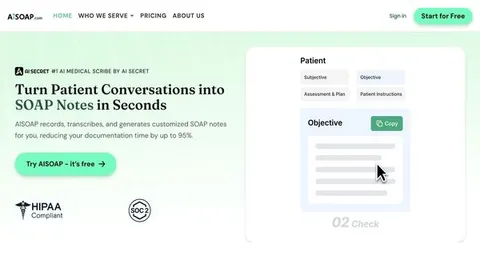
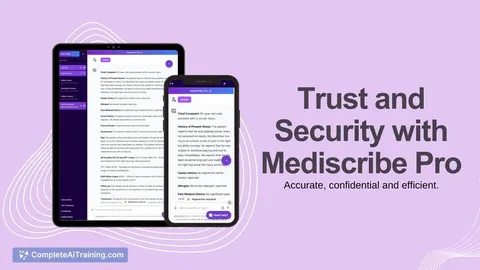
Try the AI tools for surgeons
4 AI tools our AI matched to the work of surgeons, best fit first. Each review shows what it does, its alternatives and the jobs it suits.
Favorites are saved to your account: sign in or get your AI kit first.
Connect your AI to the apps surgeons use
MCP servers let ChatGPT, Claude or Copilot look things up and get work done in other apps, like your email, calendar or bookkeeping software. These 5 fit the work of surgeons best, well-known apps first.
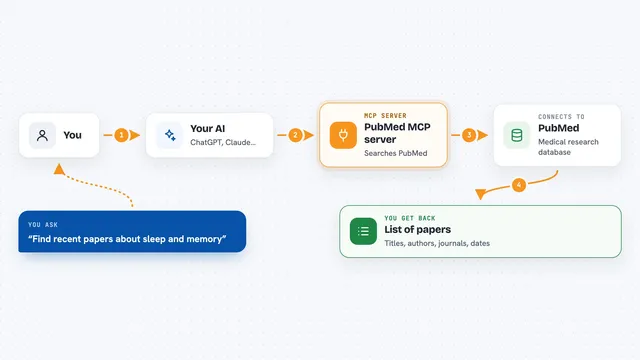
PubMed MCP server
by andybrandtLets your AI search medical and life sciences papers on PubMed and read their abstracts and full text.

PubMed Search MCP Server
by pubsproLet your AI search medical research papers on PubMed and give you plain-English summaries.

NCBI PubMed MCP server
by vitorpavinatoSearch PubMed's millions of research articles and get summaries, authors, and related papers through your AI.

Taiwan NHI billing MCP server
by tatsujuLets your AI look up Taiwan NHI rejection codes, drug rules, fee points and audit notes for you.
ResearchNo install
Practice Fusion MCP server
by kushaimLets your AI look up patients, visits, medications and lab results in a Practice Fusion health record.




























About this learning path
7 topicsAI for Surgeons: A Practical Learning Path
AI tools are already part of how hospitals handle scheduling, imaging, and records. The part that touches your day most directly is the writing and explaining you do around every operation.
This learning path is built for surgeons who want to use those tools well, without becoming technical. You will set things up once, learn a handful of prompts, and see where they fit in a normal working week.
Why AI Matters for This Job Now
The clinical work is not the part that fills your evenings. Documentation, consent conversations, handoffs, and the same explanations repeated to different families take hours that never appear on an operating list.
Patients also arrive having read AI-written summaries of their condition, and colleagues are quietly using these tools for letters and notes. Knowing how to use them well, and where their limits are, keeps you on steady ground.
What the Path Includes
You start with a few setup questions so the tools match your specialty and your hospital's rules. Then you connect your AI assistant and learn the skills that matter for surgical work inside it.
From there you work through this prompt course, lesson by lesson, and a set of short video courses chosen for surgeons. Each video course comes with its certification, so you have something to show for the time.
How It Saves You Time
Most of the gain comes from first drafts. A patient history, an operative note, a discharge summary, or a set of talking points for a briefing can be sketched in a minute and then corrected by you.
You stay the author. The tool handles the blank page, the formatting, and the plain-language rewrite, and you spend your attention on the parts that need a surgeon's judgment.
How It Protects Your Career
Hospitals are adopting these tools whether or not clinicians lead the change. Surgeons who understand them can shape how they are used on their own wards and avoid the awkwardness of systems imposed from elsewhere.
You also learn the boundaries clearly: what never goes into a prompt, when to keep information out entirely, and why every clinical decision remains yours.
Made for Busy Surgical Schedules
Lessons are short and can be paused between cases. Nothing here assumes you have a free afternoon or a technical background.
You can start with the one task that annoys you most, such as discharge summaries, and add the rest as the weeks go on.
How to Start
Begin with the setup questions and connect one assistant, whichever your hospital allows. Then take the first prompt lesson and use it on a real patient conversation this week.
Keep a short note of what worked and what needed fixing. That habit, more than any single prompt, is what makes the tools useful over time.
Frequently asked questions
Do I need to be good with technology?
No. The path opens with plain setup questions and shows you where to click. If you can use a hospital records system, you can work through this comfortably.Is it safe to use AI with patient information?
You will learn what to leave out and how to work with de-identified details. The lessons cover privacy expectations in clinical settings and the habits that keep you on the right side of them.How long does the path take?
Most surgeons move through it in short sittings between cases or across a quiet weekend. You can pause at any point and pick up where you left off.Will AI make clinical decisions for me?
No. Every prompt here is built to organize your thinking and draft your words. The assessment, the plan, and the responsibility stay with you.