MCP server · Developer tools
agent-tool MCP server
by knewstimek
Gives your AI safe file editing that keeps tabs and encodings, plus SSH, databases, and system checks.

agent-tool is a helper program that plugs into your AI coding assistant and gives it a bigger, safer toolbox. It is made for people who work with code every day and want the AI to edit files without breaking tabs, old encodings, or line endings. If you have ever seen your AI turn a tidy file into a mess, this is for you.
What is an MCP server? The 30-second version
On its own, your AI can only chat with you. An MCP server is a small helper program that gives your AI a new skill or a connection to something else. This one connects your AI to your own computer and to services like SSH servers, MySQL, and Redis, so it can read files, run commands, and check systems when you ask. You stay in charge: the AI only does what you tell it to.
What this MCP server does
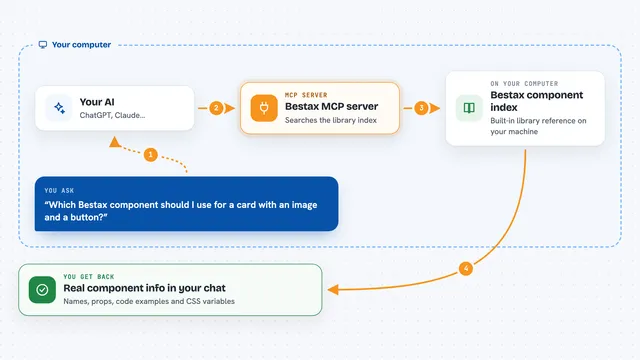
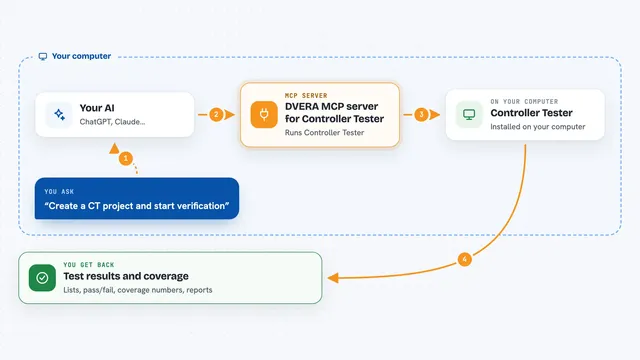
You ask your AI to do something, like fix a line in a file or check whether a server is reachable. The AI sends that request to agent-tool, which runs on your computer. agent-tool opens the file, keeps its original tabs and encoding, makes the change, and hands the result back. You see the answer or the change in your chat window, and nothing else on your machine is touched unless you asked for it.
 Click to zoom
What you can do with it
- Edit files while keeping tabs, spaces, and the original encoding
- Read files with line numbers and clear notes when the file is long
- Search inside files with regex and skip folders like .gitignore
- Run commands on a remote server over SSH
- Query MySQL or Redis and see the results as a table
- Check if a port is open, look up DNS, or inspect a TLS certificate
- Copy, rename, compress, and back up files safely
Try asking your AI
- “Fix the indentation in src/main.py so it matches the rest of the file”
- “Search the project for TODO comments and show me the first 20”
- “Connect to my server over SSH and show the last 50 lines of the app log”
- “Run this SQL query on my local MySQL and show the results”
What it gives back to you
You get back plain answers in the chat: file contents with line numbers, search results grouped by file, command output, or a table of database rows. When it edits a file, it tells you what changed and keeps the original style. Long results are cut off with a clear note and a way to ask for the next part.
Before you start
What you need
- The agent-tool program installed on your computer (the README shows how to build or run it)
- An MCP-compatible AI app like Claude Code, Cursor, or Cline
- For web search: a Brave Search API key or Naver client ID and secret (a kind of password the site gives you)
Good to know
It can change, move, or delete files and run commands on your computer and on remote servers, so check what the AI is about to do before you say yes.
Install it with your AI
Add agent-tool MCP server to your AI, no technical skills needed
You don't install anything by hand. You copy one prompt, paste it into an AI that can work on your computer, and it checks, installs and connects the server for you, asking you when it needs something.
Sign in to get the install prompt
Members get a ready-made prompt that lets the Claude desktop app check agent-tool MCP server, install it and connect it for them, step by step. You don't need any technical skills: you copy, paste and answer a few questions. Your connected AI can also find and install any of the 4,609 MCP servers here for you.
Who it's for
Developers and anyone who uses an AI coding assistant on real projects with strict formatting, old encodings, or remote servers.