AI tool
Controller AI
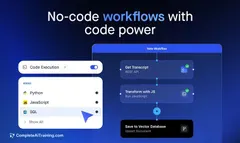
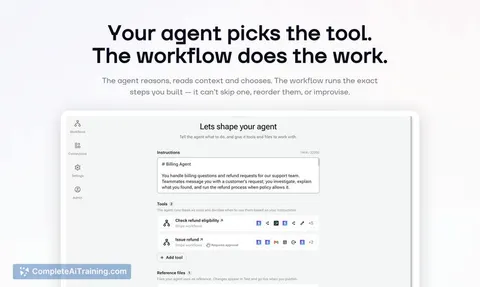
Controller AI allows users to define business workflows and attach them to agents as tools. When an agent decides to take action, it runs the defined workflow to ensure consistent steps and output. This tool is designed for teams seeking reliable ...
About Controller AI
Controller AI is a platform for building and running AI agents that follow predefined business processes. Instead of letting an agent act freely, you define a workflow and attach it to the agent as a tool. When the agent decides to act, it runs that workflow, producing the same steps and the same output structure every time.
Review
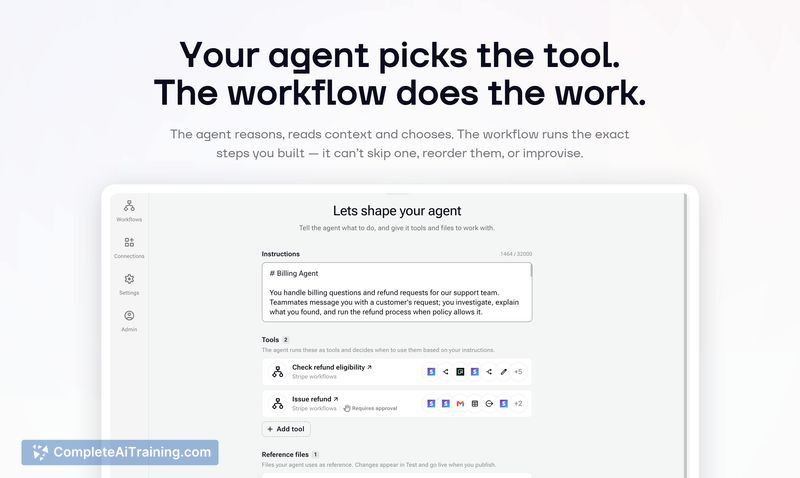
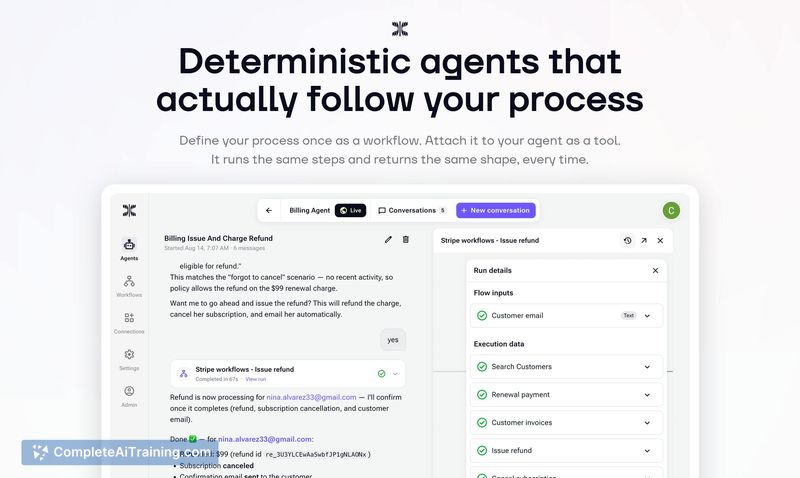
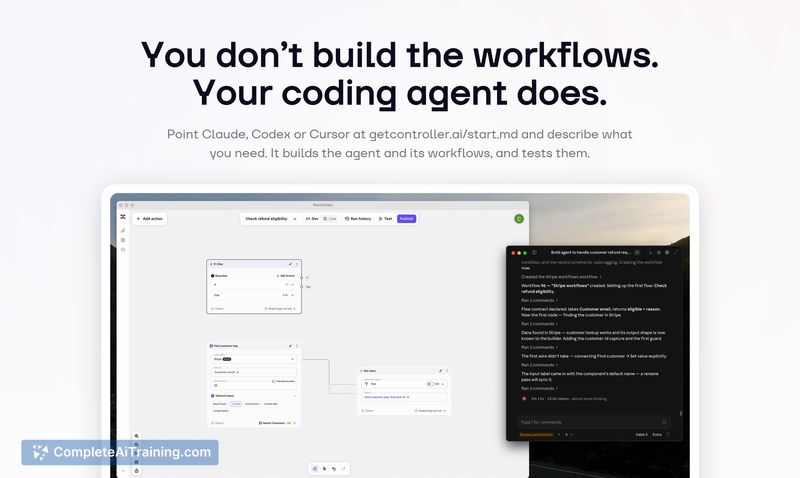
Controller AI targets a specific problem in production AI: agents that improvise and fail. The platform combines agent reasoning with deterministic, no-code workflows, and adds a visual execution trace for every action. It launched recently as its second launch on Product Hunt, with a 5.0 rating based on one review.
Key Features
- Deterministic workflows as tools: agents pick a workflow, and the workflow runs the exact same steps with the same output shape on every execution.
- No-code workflow builder: workflows are built visually with zero JavaScript expressions.
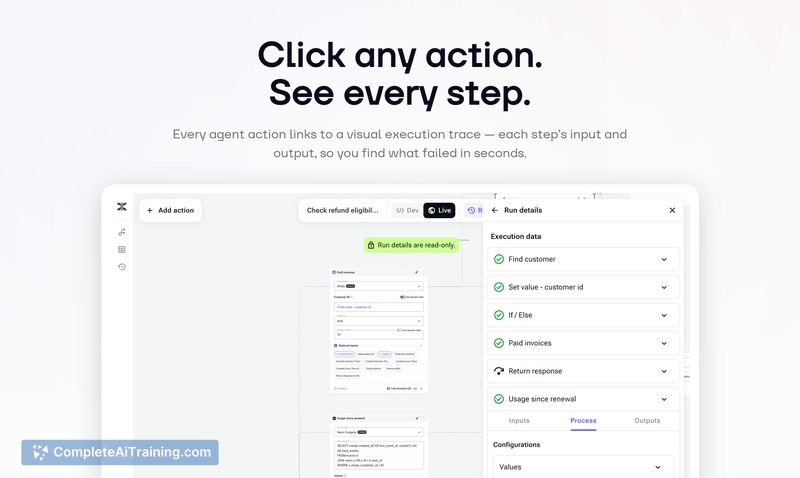
- Visual execution traces: every agent action links to a trace showing each step's input and output, so you can find what failed.
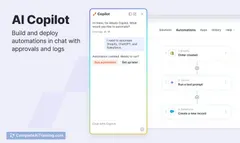
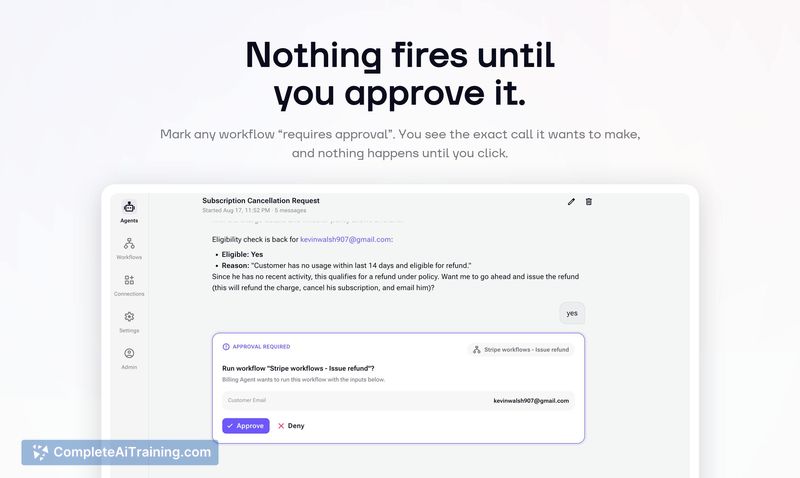
- Approval gates: any workflow can be marked "requires approval," and nothing fires until you see the exact call and click approve.
- Cheap model integration: you can run summarization, extraction, or formatting inside the workflow with a low-cost model, keeping the main agent's context clean.
Pricing and Value
Controller AI lists "Free Options" on its launch page. The pricing page is not detailed in the reference content, so specific paid tiers are not yet defined. The cost model is credit-based per workflow run, which the team says makes pricing predictable before you run a task rather than after.
Pros
- Workflows return only compact, typed results to the agent, so large API responses never inflate the context window.
- One workflow call replaces a multi-step loop, cutting reasoning token costs for orchestration.
- Failed workflows fail cleanly once, avoiding retry-and-rereason loops common with improvised tool calls.
- You can use coding agents like Claude, Codex, or Cursor to build workflows by reading a start.md file.
Cons
- Building a library of workflows takes upfront effort, and the team acknowledges not everyone has time for that.
- The platform is new, with only two launches and a single review on Product Hunt, so long-term reliability data is thin.
- It is not well suited for exploratory or open-ended tasks where you want the agent to discover steps on its own, since the whole model depends on predefined processes.
Controller AI fits teams that have repeatable, well-defined processes they want to automate without handing full autonomy to an LLM. It also suits anyone who needs auditability, since every action comes with a visual trace. If your use case is more open-ended research or creative generation, you would be fighting the tool's core design.
Jobs Controller AI suits
We checked Controller AI against 500+ jobs; these get the most out of it.
Alternatives to Controller AI
Other tools that do the same main job. Our AI compared Controller AI with similar tools and kept the ones you could use instead.