
Learning path
Learning AI as a Speech Therapist
Speech therapy work is personal, and the paperwork can wait. This path shows how AI helps you plan, document, and communicate without losing your clinical voice.

Your path
Everything in the Speech Therapist AI kit, in the order that makes sense. Members tick off each step and see their progress.
Set up your AI
We guide you through each click.
Let skills do your everyday tasks
Connect your apps and pick your AI apps
Hand whole tasks to AI agents
Build your own tools
Keep growing
Everything for speech therapists
All the courses, certifications, AI tools, MCP servers and apps for speech therapists, most relevant first. Open any list to see more.
Take the prompt courses
A short framework course to learn how to ask, then 8 lessons with ready-to-use prompts for speech therapists.
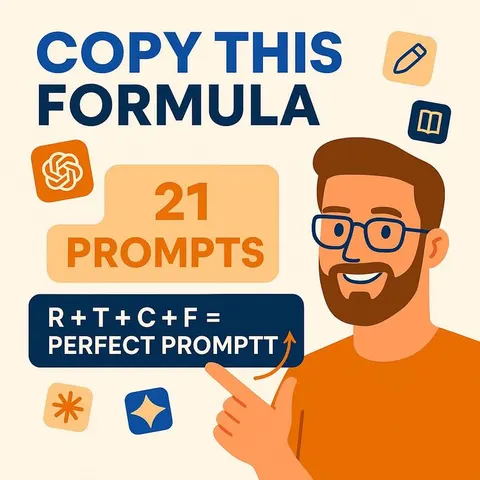
Start with this framework: how to talk to AI
Speech therapists can reuse ICIO and CIDI templates to classify IEP goals, extract session notes, and generate activity plans, cutting repeat paperwork.
Then your prompt course for speech therapists- 1Session Notes and Documentation3 prompts
- 2Family Communication and Education3 prompts
- 3Therapy Activity and Material Ideas3 prompts
- 4Therapy Plans and Goal Writing3 prompts
- 5Evaluation and Assessment Support3 prompts
- 6Collaboration with Teachers and School Teams3 prompts
- 7Progress Monitoring and Data Analysis3 prompts
- 8Advanced Materials and Social Stories3 prompts
Watch the video courses or add them to your Favorites for later
93 video courses our AI picked for speech therapists, most useful first. Save the ones you want to watch later with the heart.
Favorites are saved to your account: sign in or get your AI kit first.
Show all 93 video courses
Get certified, or add certifications to your Favorites
Every course ends in an exam and a certificate you can add to LinkedIn. Save the certifications you are aiming for with the heart.
Favorites are saved to your account: sign in or get your AI kit first.
More certifications for speech therapistsShow all 24 certifications
Try the AI tools for speech therapists
4 AI tools our AI matched to the work of speech therapists, best fit first. Each review shows what it does, its alternatives and the jobs it suits.
Favorites are saved to your account: sign in or get your AI kit first.
Connect your AI to the apps speech therapists use
MCP servers let ChatGPT, Claude or Copilot look things up and get work done in other apps, like your email, calendar or bookkeeping software. These 6 fit the work of speech therapists best, well-known apps first.
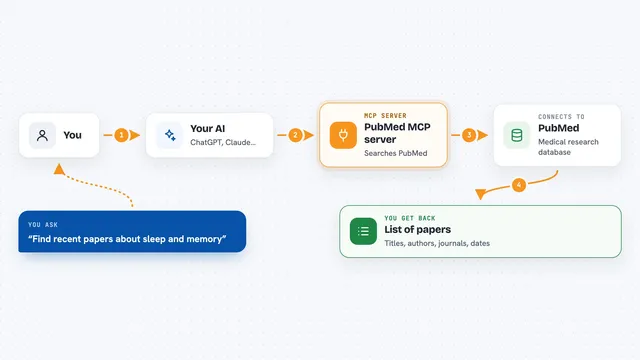
PubMed MCP server
by andybrandtLets your AI search medical and life sciences papers on PubMed and read their abstracts and full text.

NCBI PubMed MCP server
by vitorpavinatoSearch PubMed's millions of research articles and get summaries, authors, and related papers through your AI.

PubMed Search MCP Server
by pubsproLet your AI search medical research papers on PubMed and give you plain-English summaries.
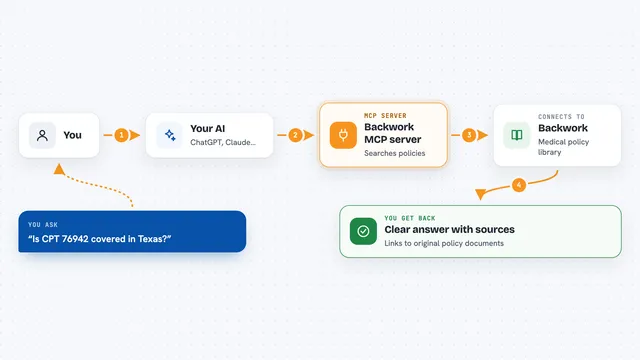
Backwork MCP server
by tylergibbs1Lets your AI look up Medicare and insurance medical policies, check prior authorization, and validate claims with cited sources.
ResearchNo install
CallChatSyn MCP server
by oneappsworldLet your AI answer customer questions from your business FAQs and book appointments for you.
Customer communication Official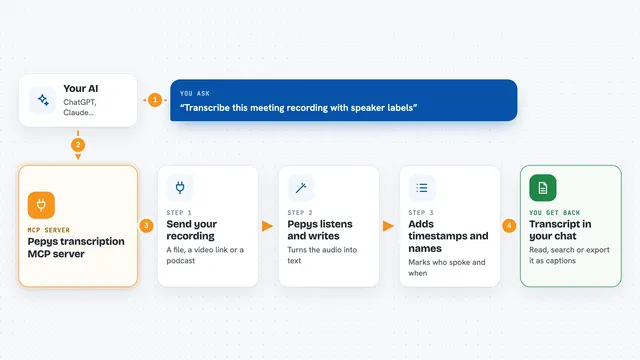
Pepys transcription MCP server
by ankurmansTurn audio, video, YouTube links and podcasts into labeled, timestamped transcripts your AI can read.
Speech to textNo install

















About this learning path
7 topicsAI Skills for Speech Therapists Who Care
You already know how to listen, assess, and coach. The hard part is often the notes, reports, and family messages that pile up after sessions.
This learning path fits AI into your real day. You will set up tools, connect them safely, and learn prompts that support speech therapy work, not replace your judgment.
Why AI Matters Today
Speech therapy caseloads are full, and the admin work follows you home. AI can help with the writing, planning, and explaining parts so you can stay present with clients.
What the Path Includes
You start with setup questions and simple ways to connect your AI tool. Then you learn skills for the job inside your AI, including the prompt course for speech therapy tasks.
The path also points to video courses chosen for speech therapists, with certifications you can check against your licensing needs.
How It Saves Time
Small prompts can turn rough notes into drafts, create home program handouts, and prepare meeting talking points. That time adds up across a week.
You stay in control of every final word while the first draft comes faster.
How It Protects Your Career
AI does not decide goals or diagnoses. You stay the clinician, using drafts, checks, and your own expertise.
Learning these skills helps you adapt as clinics and schools expect comfort with AI tools.
Video Courses and Certificates
The path includes video courses picked for speech therapy settings, from documentation to school collaboration. Each course lists the certificate it offers, so you can track professional learning.
Check with your licensing board about which certificates count toward your requirements.
How to Start This Week
Pick one task you dislike, such as session notes or a parent email. Try a prompt from the course, review the result, and adjust it to sound like you.
Start small, keep what works, and let the prompts grow with your caseload.
Frequently asked questions
Do I need technical skills to start?
No. The path begins with setup questions and plain steps for connecting your AI tool. If you can write an email, you can learn these prompts.Will AI write my therapy goals for me?
AI can draft ideas and formats, but you decide what fits each client. You review every goal, plan, and report before it is used.Is it safe to use AI with client information?
Use the privacy settings and rules from your employer, school, or clinic. Avoid entering identifying details unless your workplace approves the tool for that use.How do the video courses fit in?
They give you deeper training on specific speech therapy topics and often include a certificate of completion. Check with your licensing board about accepted hours.