
Learning path
Learning AI as a Medical Coder
This path shows medical coders how to use AI for chart review, coding support, queries, audits, and denials. It includes setup, connecting your AI, prompts, video courses for the job, and certifications.
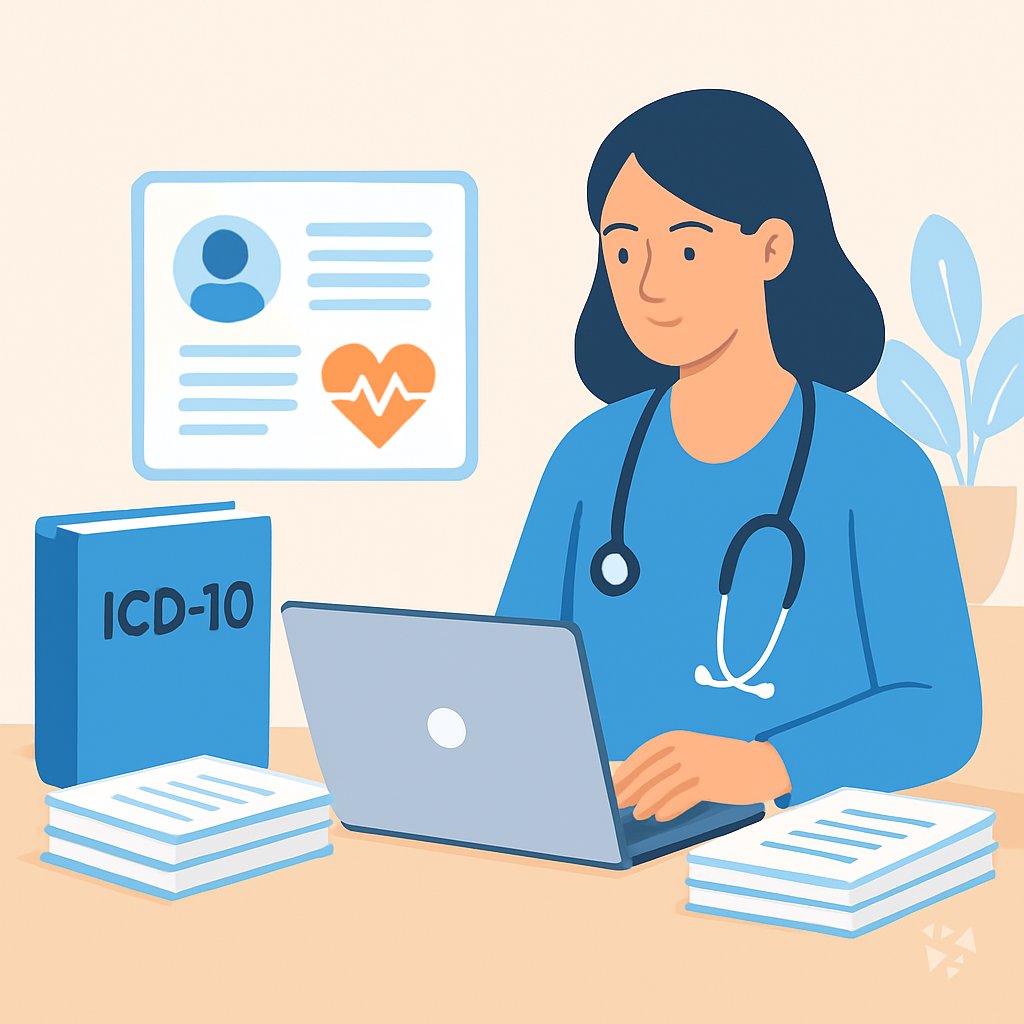
Your path
Everything in the Medical Coder AI kit, in the order that makes sense. Members tick off each step and see their progress.
Set up your AI
We guide you through each click.
Let skills do your everyday tasks
Connect your apps and pick your AI apps
Hand whole tasks to AI agents
Build your own tools
Everything for medical coders
All the courses, certifications, AI tools, MCP servers and apps for medical coders, most relevant first. Open any list to see more.
Take the prompt courses
Two short framework courses to learn how to ask, then 9 lessons with ready-to-use prompts for medical coders.
Start with these frameworks: how to talk to AI
TIDD-EC fits medical coding with do and don't rules that prevent errors, like never assigning an ICD-10 code without documented provider support.
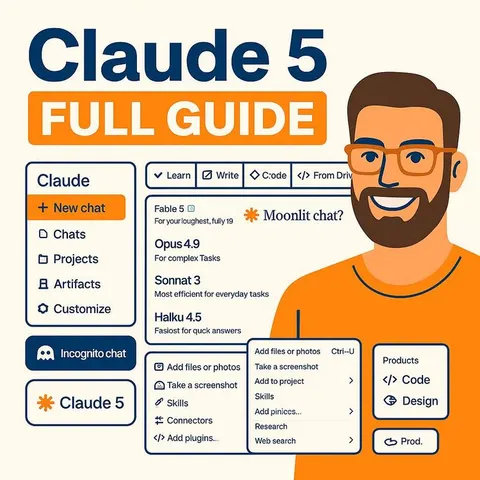
ICIO and CIDI reusable prompt templates help medical coders extract ICD-10 codes from op notes and classify diagnoses consistently.
Then your prompt course for medical codersWatch the video courses or add them to your Favorites for later
72 video courses our AI picked for medical coders, most useful first. Save the ones you want to watch later with the heart.
Favorites are saved to your account: sign in or get your AI kit first.
Show all 72 video courses
Get certified, or add certifications to your Favorites
Every course ends in an exam and a certificate you can add to LinkedIn. Save the certifications you are aiming for with the heart.
Favorites are saved to your account: sign in or get your AI kit first.
More certifications for medical codersShow all 24 certifications
Try the AI tools for medical coders
1 AI tools our AI matched to the work of medical coders, best fit first. Each review shows what it does, its alternatives and the jobs it suits.
Favorites are saved to your account: sign in or get your AI kit first.
Connect your AI to the apps medical coders use
MCP servers let ChatGPT, Claude or Copilot look things up and get work done in other apps, like your email, calendar or bookkeeping software. These 12 fit the work of medical coders best, well-known apps first.

MyMedi-AI MCP server
by MyMedi-AILook up medical billing codes, check prior auth rules, and validate claims straight from your AI chat.
ResearchNo install
ICDwise MCP server
by qinisolabsYour AI can look up real ICD-10-CM medical codes and get the official description instead of a guess.
ResearchNo install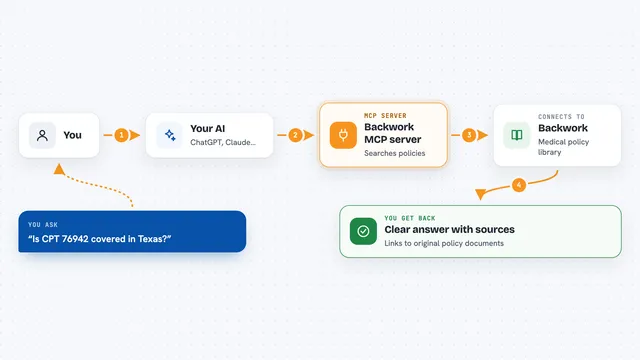
Backwork MCP server
by tylergibbs1Lets your AI look up Medicare and insurance medical policies, check prior authorization, and validate claims with cited sources.
ResearchNo install
Taiwan NHI billing MCP server
by tatsujuLets your AI look up Taiwan NHI rejection codes, drug rules, fee points and audit notes for you.
ResearchNo install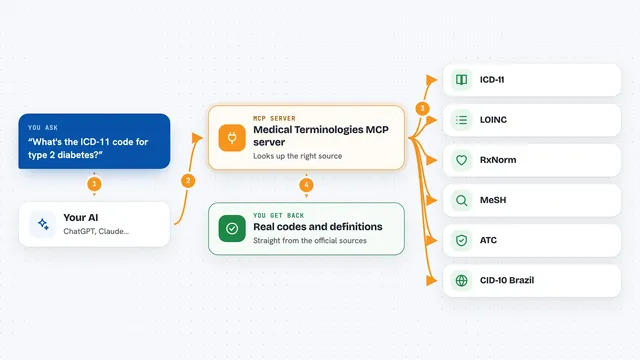
Medical Terminologies MCP server
by SidneyBissoliLook up real medical codes and terms from ICD-11, LOINC, RxNorm, MeSH, ATC and Brazil's CID-10 right inside your AI chat.
ResearchNo install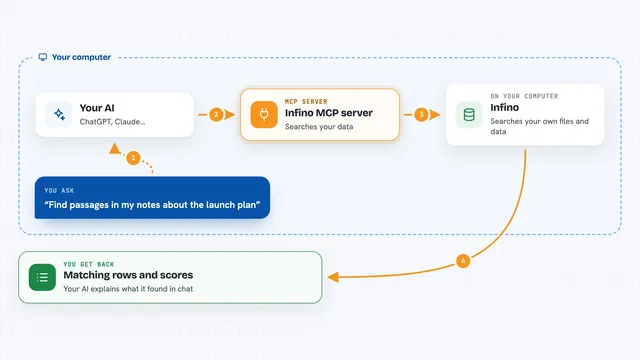
Infino MCP server
by infino-aiLets your AI search your own files and data by meaning, exact words, or SQL.
Analytics OfficialShow all 12 MCP servers

Go-Docs MCP server
by drolosoftLets your AI read, search and pull text from your PDFs, Word files, spreadsheets and images.

Local RAG MCP server
by shinprSearch your own PDF, Word, text and Markdown files from your AI chat, all on your own computer.

oxidize-pdf MCP server
by bzsantiLets your AI read, create, split, merge, and fill PDFs in a folder you choose.

ezpzfile MCP server
by ezpzfileLets your AI read and convert documents, edit PDFs, clean up images, and make QR codes, all on your own computer.

pdfmux MCP server
by NameetPTurn PDFs into clean text your AI can read, and check which pages an extractor quietly skipped.
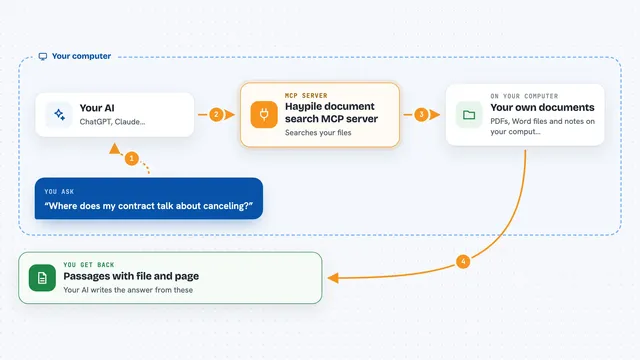
Haypile document search MCP server
by BenyDLets your AI search your own PDFs, Word files and notes by meaning, with file and page citations.
Build your own AI apps for medical coders
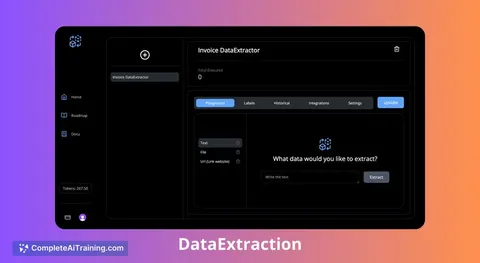
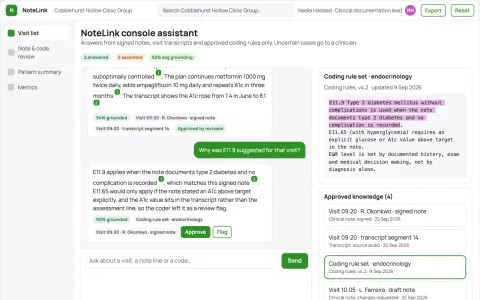
Apps you build yourself with your own AI, no coding needed and no monthly fee. Our AI picked the one that fits the work of medical coders.










About this learning path
6 topicsMedical Coding With AI, Step By Step
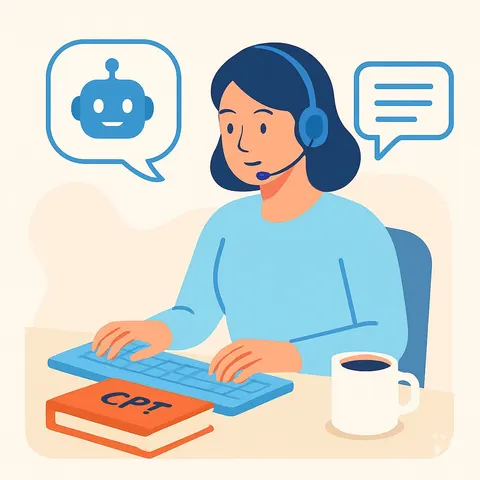
Medical coding asks for careful reading and steady judgment. This path shows you how to use AI as a helper while you stay responsible for every code.
You start with setup questions, connect your AI, then practice prompts built for chart review, coding support, queries, audits, and denials. Video courses chosen for medical coders and their certifications are included along the way.
Why AI Matters Now
Coding work is growing more complex. Payers ask for clear evidence, guidelines update, and charts arrive with missing details. AI can help you sort, compare, and draft so you can focus on the coding decision.
It does not replace your training or your judgment. It helps you move through the paperwork with more confidence.
What The Path Includes
You begin with setup questions and a simple guide to connecting your AI tool. Then you work through skills for the job inside your AI, followed by this prompt course for medical coding.
The path also points you to video courses picked for medical coders and explains the certifications those courses help you prepare for.
How It Saves You Time
You can use AI to turn a messy note into a clean list of codable items, find missing details, compare code descriptions, and draft physician queries. It can also help you organize audit notes and denial reasons.
The time saved goes back into accuracy, education, and the cases that need your full attention.
How It Protects Your Career
Safe use matters in medical coding. You will learn to keep patient details private, check every AI suggestion against official coding resources, and document your reasoning.
That habit protects you during audits and shows employers you can use new tools without cutting corners.
How To Start
Set aside a quiet block of time and begin with the setup questions. Connect one AI tool you already use, then try the first chart review prompt on a practice note.
Move through the lessons in order. Each one builds on the last, and you can revisit any prompt when a real chart calls for it.
Frequently asked questions
Do I need coding experience to start?
You need a basic understanding of medical coding terms and workflow. The path starts with setup questions and simple prompts, so you can begin even if you are new to AI tools.Will AI choose my codes for me?
No. AI can suggest candidates, find missing details, and draft queries, but you make the final coding decision. Always check against official coding resources and your employer's rules.Which AI tool should I use?
ChatGPT, Claude, and Gemini all work for the prompts in this course. Use the tool your workplace allows and follow its privacy rules.Does this path replace certification?
No. Certifications come from recognized coding bodies and require exams and experience. The video courses and certifications covered here help you prepare and keep learning.