
Learning path
Learning AI as a Bioinformatician
AI can help you debug pipelines, explain formats, and write code faster. This path shows how to fit it into your bioinformatics work with care.
Your path
Everything in the Bioinformatician AI kit, in the order that makes sense. Members tick off each step and see their progress.
Set up your AI
We guide you through each click.
Let skills do your everyday tasks
Connect your apps and pick your AI apps
Hand whole tasks to AI agents
Build your own tools
Keep growing
Everything for bioinformaticians
All the courses, certifications, AI tools, MCP servers and apps for bioinformaticians, most relevant first. Open any list to see more.
Take the prompt courses
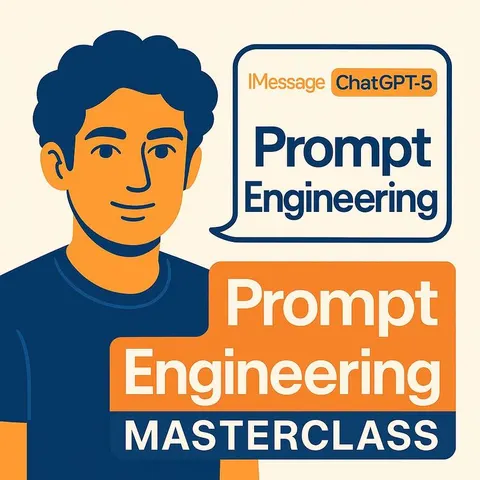
A short framework course to learn how to ask, then 8 lessons with ready-to-use prompts for bioinformaticians.
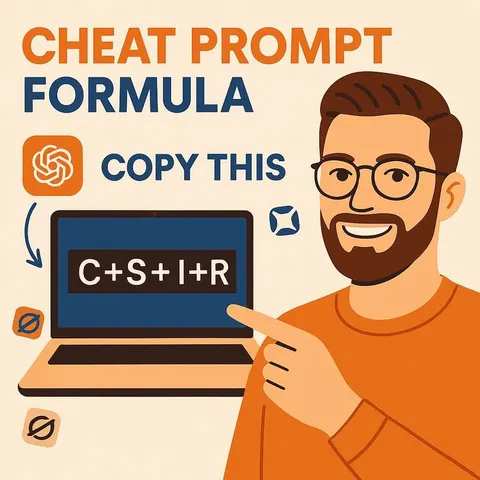
Start with this framework: how to talk to AI
RACE helps bioinformaticians define role, action, context, and expected quality when analyzing RNA-seq data for differential expression.
Then your prompt course for bioinformaticiansWatch the video courses or add them to your Favorites for later
103 video courses our AI picked for bioinformaticians, most useful first. Save the ones you want to watch later with the heart.
Favorites are saved to your account: sign in or get your AI kit first.
Show all 103 video courses
Get certified, or add certifications to your Favorites
Every course ends in an exam and a certificate you can add to LinkedIn. Save the certifications you are aiming for with the heart.
Favorites are saved to your account: sign in or get your AI kit first.
More certifications for bioinformaticiansShow all 24 certifications
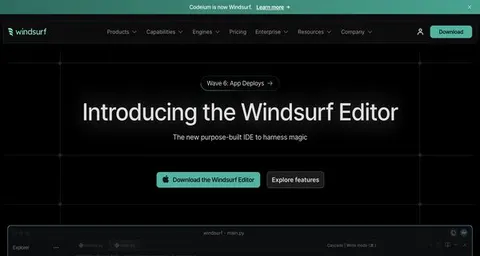
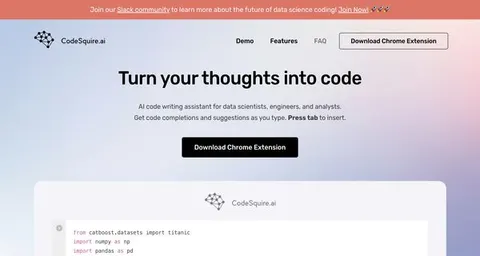
Try the AI tools for bioinformaticians
24 AI tools our AI matched to the work of bioinformaticians, best fit first. Each review shows what it does, its alternatives and the jobs it suits.
Favorites are saved to your account: sign in or get your AI kit first.
Show all 24 AI tools
Connect your AI to the apps bioinformaticians use
MCP servers let ChatGPT, Claude or Copilot look things up and get work done in other apps, like your email, calendar or bookkeeping software. These 12 fit the work of bioinformaticians best, well-known apps first.

Research Data Finder MCP server
by musharnaSearch and download research datasets and papers from many archives, all through one request to your AI.

ENCODE Toolkit MCP server
by ammawlaSearch, download and track ENCODE genomics experiments, and cross-check them against other biology databases.

Genomics MCP server
by rewire-bioLet your AI find public genomics datasets and read a region from genomic files, with sources listed.

Plant Genomics MCP server
by musharnaLook up plant genes across 23 public databases and get one combined answer in your chat.

Enrichr MCP server
by tianqitang1Lets your AI run gene set enrichment analysis on a list of genes using the Enrichr service.

FlowProof MCP server
by ajibadedapoLet your AI run bioinformatics pipelines and hand back results with a verifiable recipe and checksums.
CodingNo installShow all 12 MCP servers

Scholar MCP server
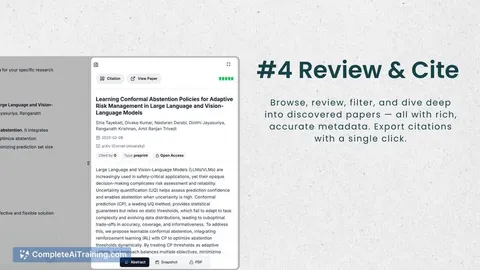
by Liyux3Your AI can search academic papers, read them, map citations, and save them into a personal library.

UniProt MCP server
by smanichesLets your AI look up protein facts in UniProt and show where each answer came from.
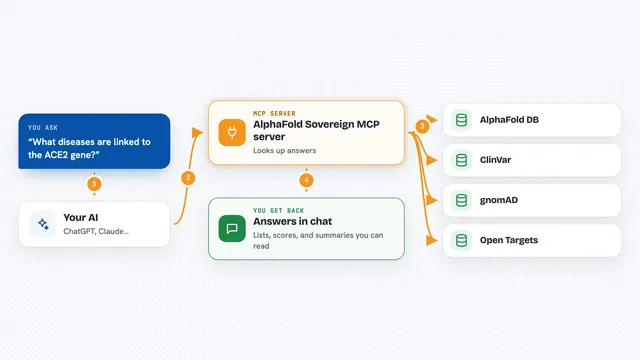
AlphaFold Sovereign MCP server
by smanichesLets your AI look up protein structures, variants, diseases and drug targets from public biology databases.

Jupyter Notebook MCP server
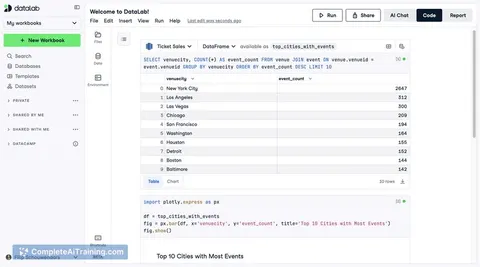
by jjsantos01Let your AI write and run code inside your Jupyter Notebook, cell by cell, and read the results.

arXiv MCP server
by andybrandtLets your AI search arXiv for research papers and pull up their details and full text.
ResearchNo install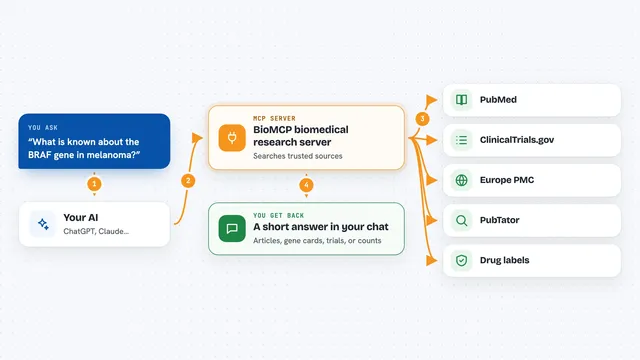
BioMCP biomedical research server
by genomoncologyLets your AI look up genes, variants, drugs, diseases and clinical trials from trusted medical sources.














About this learning path
6 topicsPractical AI Skills for Bioinformatics Work
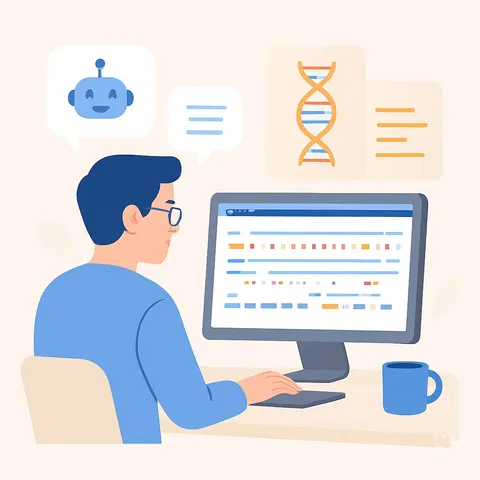
Your days mix data, code, and biology. AI can sit beside you as a patient helper, not a replacement for your judgment.
This path starts with setup questions, then connecting an AI tool to your daily work. You will learn job skills inside ChatGPT, Claude, or Gemini, take the prompt course, and watch short video courses chosen for bioinformatics. Each video course comes with a certificate you can keep.
Why AI Matters Now
Biological data grows faster than most teams can review by hand. AI helps you read errors, draft code, and explain results without losing the science.
You still decide what is true. AI gives you a second set of eyes and a faster first draft.
What the Path Includes
Setup questions help you prepare a safe workspace and choose an AI tool. Then you connect that tool, practice job specific skills, and work through this prompt course.
You also get video courses picked for bioinformatics tasks and the certificates for those courses. Everything is short and made to fit around lab or research work.
How It Saves Time
Use AI to decode tool errors, turn a messy log into a clear next step, and write small scripts for file work. It can also draft documentation and first passes at figures.
The time saved goes back to checking results, talking with collaborators, and planning the next experiment.
How It Protects Your Career
AI will not replace the person who understands the biology and the data. It will shift the work toward judgment, review, and communication.
Learning to use it well keeps your skills current and shows you can adapt without cutting corners on privacy or accuracy.
How to Start
Start with the setup questions and pick one AI tool you can access at work. Run the prompt course lessons in order, then choose one video course that matches a task you face this week.
Keep a small log of what worked and what did not. Review it on Friday.
Frequently asked questions
Do I need to be a programmer?
You should be comfortable running some commands or scripts, but you do not need to be a software engineer. The path meets you at your level and helps with code as you go.Which AI tool should I use?
ChatGPT, Claude, and Gemini can all help. Pick one your workplace allows and that you can access with your data rules.Is it safe to paste biological data?
Follow your institution's rules first. Use de-identified or public data when you can, and keep private patient or sample details out of public tools.Will I get a certificate?
The video courses included in this path come with certificates. The prompt course and daily practice are for building skill, not a formal certificate.