
Learning path
Learning AI as an Epidemiologist
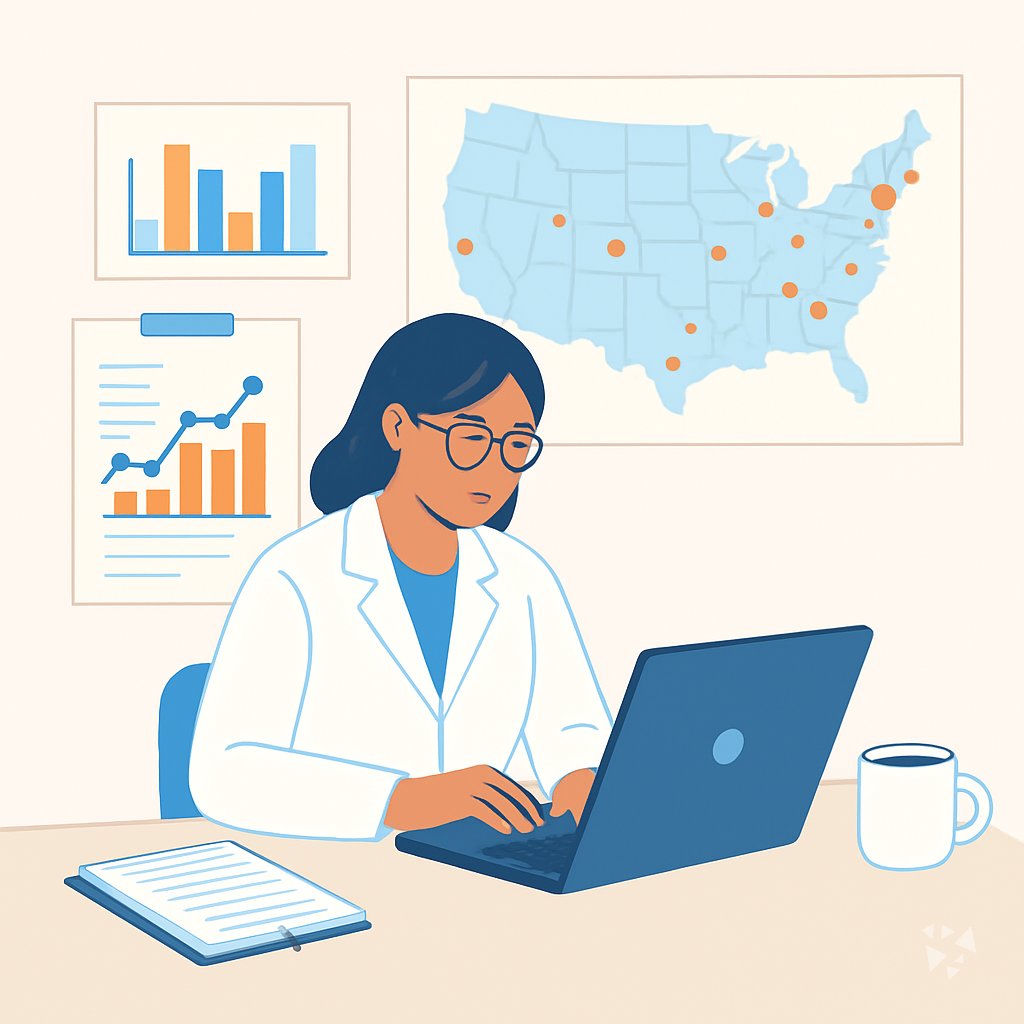
AI can help you sort disease data, draft study documents, and explain findings without losing your judgment. This path shows how to use it safely in public health work.
Your path
Everything in the Epidemiologist AI kit, in the order that makes sense. Members tick off each step and see their progress.
Set up your AI
We guide you through each click.
Let skills do your everyday tasks
Connect your apps and pick your AI apps
Hand whole tasks to AI agents
Build your own tools
Keep growing
Everything for epidemiologists
All the courses, certifications, AI tools, MCP servers and apps for epidemiologists, most relevant first. Open any list to see more.
Take the prompt courses
A short framework course to learn how to ask, then 8 lessons with ready-to-use prompts for epidemiologists.
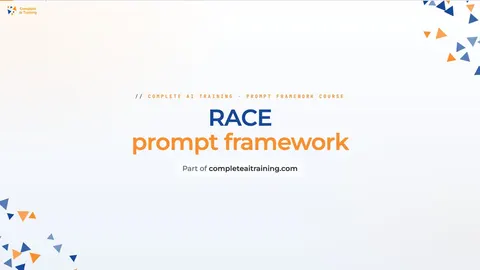
Start with this framework: how to talk to AI
RACE fits epidemiology by defining role, action, context, and expected quality for tasks like drafting a county outbreak report with case definitions.
Then your prompt course for epidemiologistsWatch the video courses or add them to your Favorites for later
83 video courses our AI picked for epidemiologists, most useful first. Save the ones you want to watch later with the heart.
Favorites are saved to your account: sign in or get your AI kit first.
Show all 83 video courses
Get certified, or add certifications to your Favorites
Every course ends in an exam and a certificate you can add to LinkedIn. Save the certifications you are aiming for with the heart.
Favorites are saved to your account: sign in or get your AI kit first.
More certifications for epidemiologistsShow all 24 certifications
Try the AI tools for epidemiologists
24 AI tools our AI matched to the work of epidemiologists, best fit first. Each review shows what it does, its alternatives and the jobs it suits.
Favorites are saved to your account: sign in or get your AI kit first.
Show all 24 AI tools
Connect your AI to the apps epidemiologists use
MCP servers let ChatGPT, Claude or Copilot look things up and get work done in other apps, like your email, calendar or bookkeeping software. These 12 fit the work of epidemiologists best, well-known apps first.

NCBI PubMed MCP server
by vitorpavinatoSearch PubMed's millions of research articles and get summaries, authors, and related papers through your AI.

Scholar MCP server
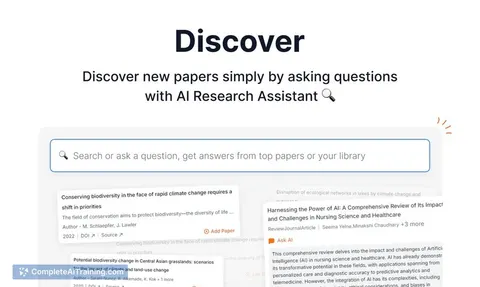
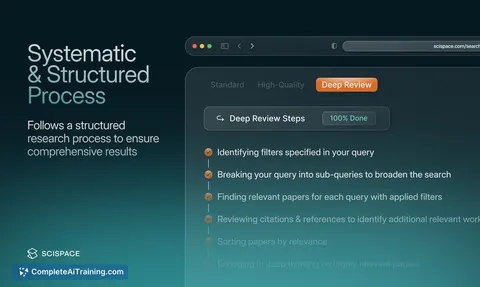
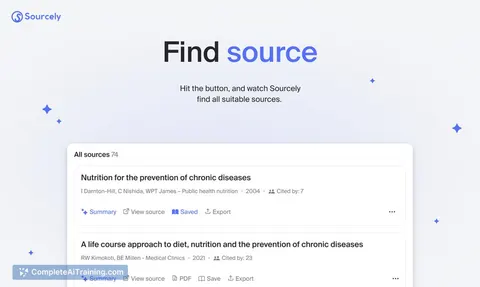
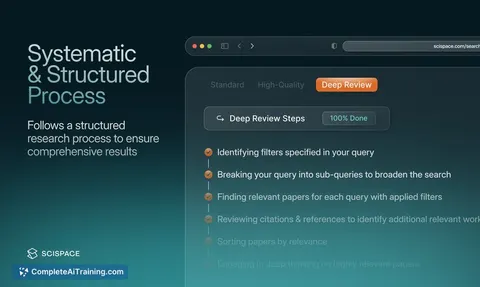
by Liyux3Your AI can search academic papers, read them, map citations, and save them into a personal library.
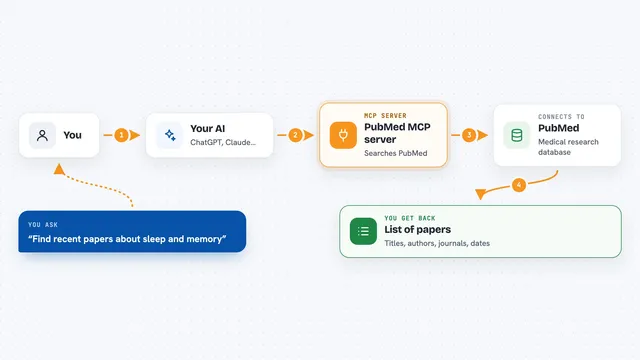
PubMed MCP server
by andybrandtLets your AI search medical and life sciences papers on PubMed and read their abstracts and full text.

Web Researcher MCP server
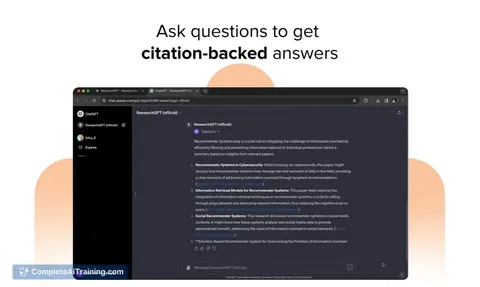
by zoharbabinLets your AI search trusted sites, read full articles, and give you real, clickable sources.

Google Scholar MCP server
by HasDataLets your AI search Google Scholar and pull ready-made citations for papers you find.
ResearchNo install
Research Hub MCP server
by WenyuChiouLets your AI search for papers, save them to Zotero, and write notes into your Obsidian vault for you.
Show all 12 MCP servers

Bing Search MCP server
by leehanchungLets your AI search the web, news, and images through Microsoft Bing while you chat.

Semantic Scholar MCP server
by smanichesSearch 200M+ academic papers, follow citations, and get author details right inside your AI chat.

Annota MCP server
by dengls24Let your AI read your Zotero papers, highlight key findings, explain formulas, and save reading notes back to your library.

arXiv MCP server
by andybrandtLets your AI search arXiv for research papers and pull up their details and full text.
ResearchNo install
Zotero MCP server (Zoteus)
by oscardvsLets your AI search your Zotero library, pull PDF passages with page numbers, and format citations.
ResearchNo install
Google Search MCP server (AceDataCloud)
by AceDataCloudLets your AI run Google searches for web, images, news, videos, places and maps, and hand you the results.
ResearchNo installBuild your own AI apps for epidemiologists
Apps you build yourself with your own AI, no coding needed and no monthly fee. Our AI picked the 3 that fit the work of epidemiologists.
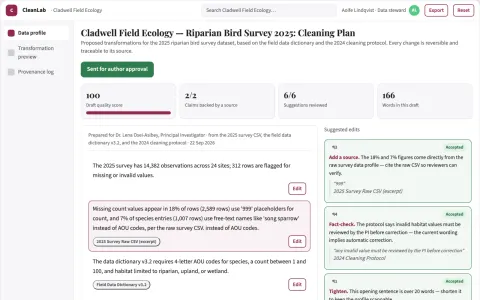
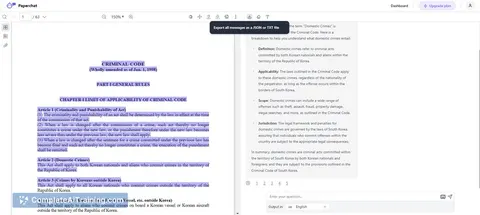
Research data cleaning
Reversible, documented transformations with researcher-approved rules.
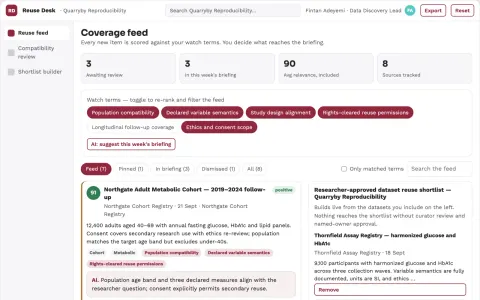
Scientific dataset reuse compatibility engine
Find usable existing data before costly new collection.
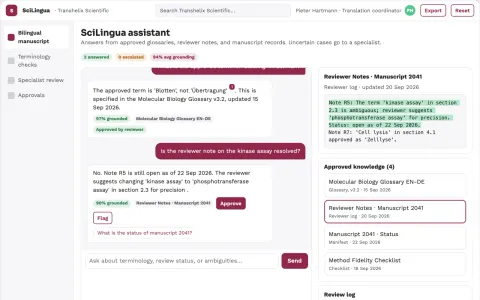
Scientific translation service
Field-specific terminology and method fidelity verified by qualified reviewers.

















About this learning path
6 topicsAI Skills for Epidemiologists Who Study Populations
Epidemiology runs on careful data work, clear writing, and fast communication when an outbreak shifts. AI can carry some of the load, but only when you know where it helps and where it must not decide.
This path walks you through setup, connecting your AI, job-specific skills, a prompt course, and video lessons chosen for epidemiologists. You will practice with tools you already use and keep your professional judgment in charge.
Why AI Matters Now
Public health teams face more data and shorter timelines than ever. AI can help you read tables, draft reports, and prepare outbreak updates while you stay focused on the science and the people affected.
Used well, AI gives you a faster first draft and a second set of eyes. Used poorly, it can spread errors. This path teaches the difference.
What the Path Includes
You begin with setup questions and a short guide to connecting your AI tool. Then you build skills for the job inside your AI, followed by this prompt course for epidemiologists.
The path also includes video courses picked for your daily work and the certifications those courses offer. You can move at your own pace and return to any lesson when a task comes up.
How It Saves Time
AI can turn a blank page into a working draft for protocols, data cleaning plans, situation reports, and policy briefs. It can also explain a rate or a table in plain language before you write your own summary.
The time you win back goes to checking sources, talking with colleagues, and making decisions that need a human. The course shows you where to draw that line.
How It Protects Your Career
Epidemiologists who can use AI well become more valuable, not less. You learn to review AI output, document your steps, and protect private health information.
These habits show employers and partners that you can adopt new tools without cutting corners on ethics or accuracy.
How to Start
Start with one task you already do each week, such as cleaning a dataset or drafting an outbreak note. Pick the matching lesson and try the prompt with a small, non-sensitive example.
Save what works, note what does not, and bring your questions to the next lesson. Small practice sessions build confidence faster than waiting for a perfect moment.
Frequently asked questions
Do I need to know how to code?
No. The path starts with setup and plain-language prompts. You can use ChatGPT, Claude, or Gemini in a browser and add coding help later if your work needs it.Is it safe to use AI with health data?
Only use approved tools and never paste identifiable health information into a public AI service. The path shows how to remove personal details, work with summaries, and keep a human review step.Will AI replace epidemiologists?
No. AI can draft, sort, and explain, but it cannot take responsibility for study design, ethics, or public health decisions. Your judgment and relationships remain the core of the job.How long does the path take?
Most people move through the lessons over a few weeks while working. You can start with one lesson, practice on a real task, and return for the next when your schedule allows.