
Learning path
Learning AI as an Agricultural Scientist
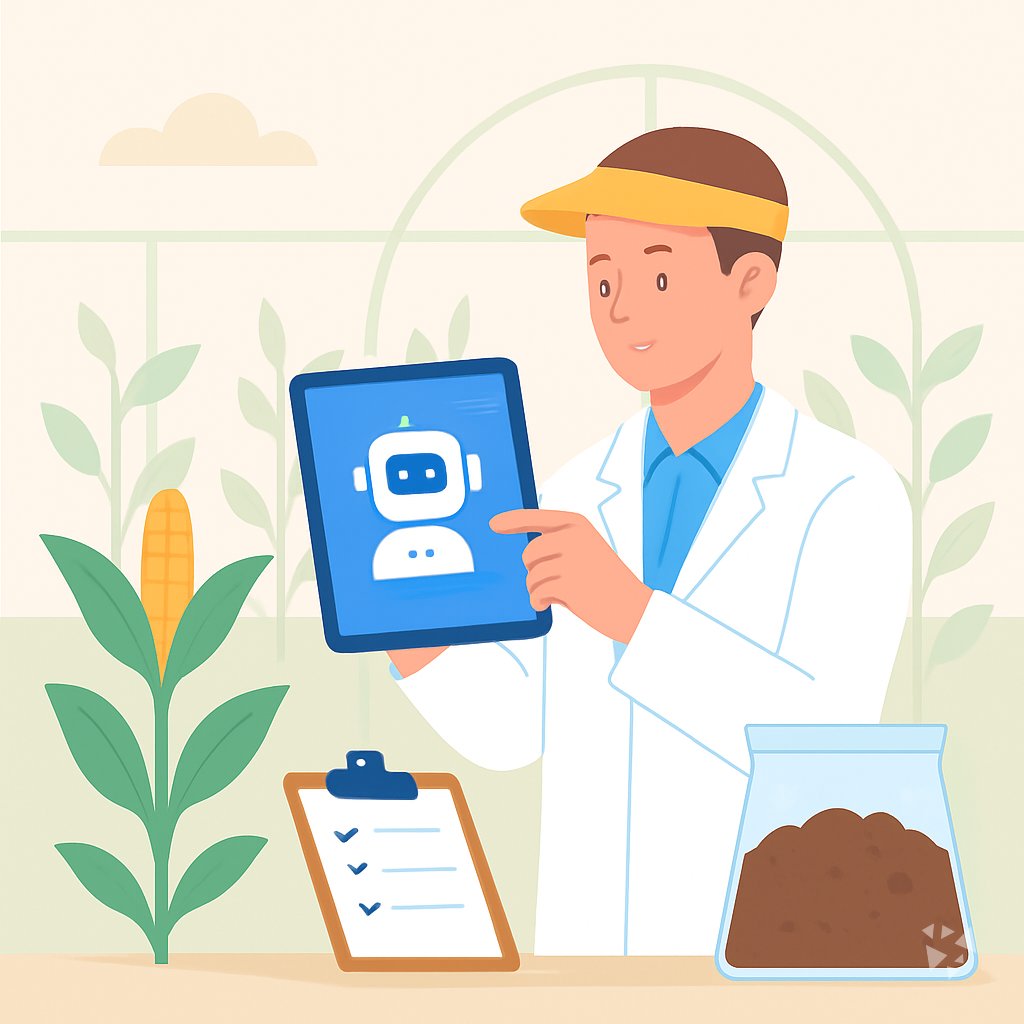
This learning path helps agricultural scientists use AI for field trials, soil analysis, and farmer advice. It saves time on data work so you can focus on research and recommendations.
Your path
Everything in the Agricultural Scientist AI kit, in the order that makes sense. Members tick off each step and see their progress.
Set up your AI
We guide you through each click.
Let skills do your everyday tasks
Connect your apps and pick your AI apps
Hand whole tasks to AI agents
Build your own tools
Keep growing
Everything for agricultural scientists
All the courses, certifications, AI tools, MCP servers and apps for agricultural scientists, most relevant first. Open any list to see more.
Take the prompt courses
A short framework course to learn how to ask, then 9 lessons with ready-to-use prompts for agricultural scientists.
Start with this framework: how to talk to AI
RACE fits your soybean yield trial because you define role, action, field context, and expected analysis quality.
Then your prompt course for agricultural scientists- 1Plan Field Experiments3 prompts
- 2Analyze Soil Samples3 prompts
- 3Support Crop Variety Development3 prompts
- 4Study Pest Resistance2 prompts
- 5Advise Farmers on Practices3 prompts
- 6Write Research Findings4 prompts
- 7Analyze Experimental Data5 prompts
- 8Monitor Environmental Impact2 prompts
- 9Collaborate and Manage Projects4 prompts
Watch the video courses or add them to your Favorites for later
101 video courses our AI picked for agricultural scientists, most useful first. Save the ones you want to watch later with the heart.
Favorites are saved to your account: sign in or get your AI kit first.
Show all 101 video courses
Get certified, or add certifications to your Favorites
Every course ends in an exam and a certificate you can add to LinkedIn. Save the certifications you are aiming for with the heart.
Favorites are saved to your account: sign in or get your AI kit first.
More certifications for agricultural scientistsShow all 24 certifications
Try the AI tools for agricultural scientists
24 AI tools our AI matched to the work of agricultural scientists, best fit first. Each review shows what it does, its alternatives and the jobs it suits.
Favorites are saved to your account: sign in or get your AI kit first.
Show all 24 AI tools
Connect your AI to the apps agricultural scientists use
MCP servers let ChatGPT, Claude or Copilot look things up and get work done in other apps, like your email, calendar or bookkeeping software. These 12 fit the work of agricultural scientists best, well-known apps first.

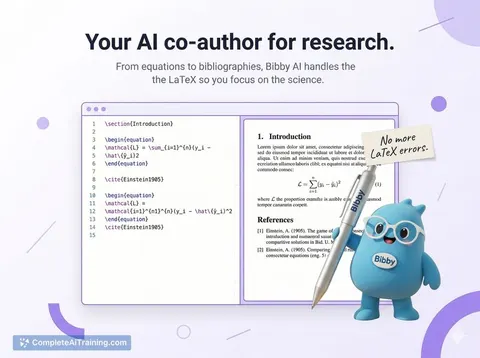
Scholar MCP server
by Liyux3Your AI can search academic papers, read them, map citations, and save them into a personal library.

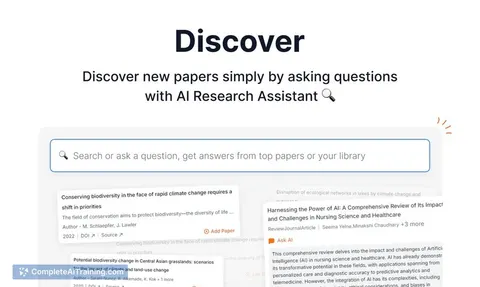
NCBI PubMed MCP server
by vitorpavinatoSearch PubMed's millions of research articles and get summaries, authors, and related papers through your AI.

Google Scholar MCP server
by HasDataLets your AI search Google Scholar and pull ready-made citations for papers you find.
ResearchNo install
arXiv MCP server
by andybrandtLets your AI search arXiv for research papers and pull up their details and full text.
ResearchNo install
Research Hub MCP server
by WenyuChiouLets your AI search for papers, save them to Zotero, and write notes into your Obsidian vault for you.

Research Data Finder MCP server
by musharnaSearch and download research datasets and papers from many archives, all through one request to your AI.
Show all 12 MCP servers

Annota MCP server
by dengls24Let your AI read your Zotero papers, highlight key findings, explain formulas, and save reading notes back to your library.

Web Researcher MCP server
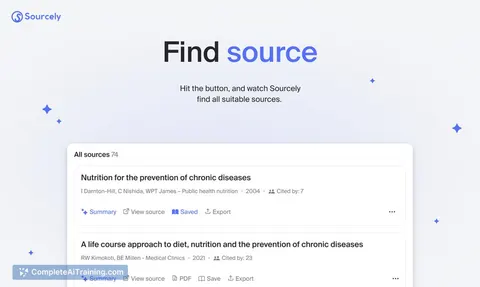
by zoharbabinLets your AI search trusted sites, read full articles, and give you real, clickable sources.

Semantic Scholar MCP server
by smanichesSearch 200M+ academic papers, follow citations, and get author details right inside your AI chat.

Rigor statistics MCP server
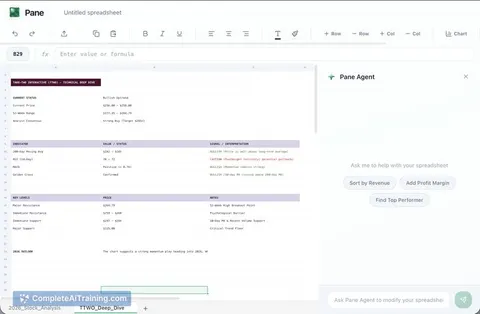
by mrnhLets your AI run real statistical tests, sample size math, and corrections instead of guessing numbers.

Bing Search MCP server
by leehanchungLets your AI search the web, news, and images through Microsoft Bing while you chat.

Mendeley MCP server
by pallaprolusLets your AI search your Mendeley library, read your papers, and organize your folders for you.

























































About this learning path
6 topicsAI for Agricultural Scientists: Field to Farm
As an agricultural scientist, you juggle field experiments, soil reports, pest data, and farmer questions. AI can help you handle the paperwork and analysis faster, so you spend more time on the science that matters.
This path brings together everything you need: setting up your AI, learning skills for your job, our prompt course, and video courses chosen for agricultural work. It is built for busy professionals, with no technical background required.
Why AI matters for your job now
Agriculture is changing fast. Farmers need quick answers, funders want clear results, and data comes from more sources than ever. AI helps you keep up without adding hours to your day.
Scientists who use AI well can plan better trials, spot patterns in soil and crop data, and write reports faster. This leaves more time for the parts of the job that need your expert judgment.
What this path includes
You start with setup questions to get your AI ready. Then you connect your AI to your work, learn skills for the job inside your AI, and take our prompt course built around nine key tasks, from planning field experiments to advising farmers.
You also get video courses picked for agricultural scientists, along with the certifications those courses offer. Everything fits together so you can learn step by step.
How it saves you time
Think about the hours spent drafting reports, summarizing soil tests, or turning meeting notes into actions. AI can handle the first pass on these tasks, giving you a solid draft to refine.
The prompt course shows you exactly how to ask for what you need. You will spend less time formatting and more time on analysis and decisions.
How it protects your career
AI is not here to replace you. It is here to handle the repetitive parts so your expertise stands out. By learning to work with AI, you become more valuable to your team and your organization.
You will also learn how to keep your data safe and use AI responsibly, which protects your reputation and your research.
How to get started
Begin with the setup questions and connect your AI. Then move through the skills and prompt course at your own pace. Each lesson is short and practical, so you can try things out in your next workday.
No technical background is needed. If you can write an email, you can learn to use AI for your agricultural science work.
Frequently asked questions
Do I need any technical skills to start?
No. This path is designed for working professionals who are not technical. If you can use a computer and write emails, you have all the skills you need.How much time will this take?
You can go at your own pace. Most lessons take 10 to 20 minutes, and you can apply what you learn right away. The full path can be completed over a few weeks, fitting around your schedule.Will this help me with my specific research area?
Yes. The prompt course covers tasks common to agricultural scientists, like planning field trials, analyzing soil data, and writing research findings. You can adapt the prompts to your exact crops, livestock, or region.Is my data safe when I use AI?
The course includes a section on safety and privacy for your job. You will learn how to avoid sharing sensitive information and how to use AI tools responsibly. Always follow your organization's guidelines.