
Learning path
Learning AI as a Police Officer
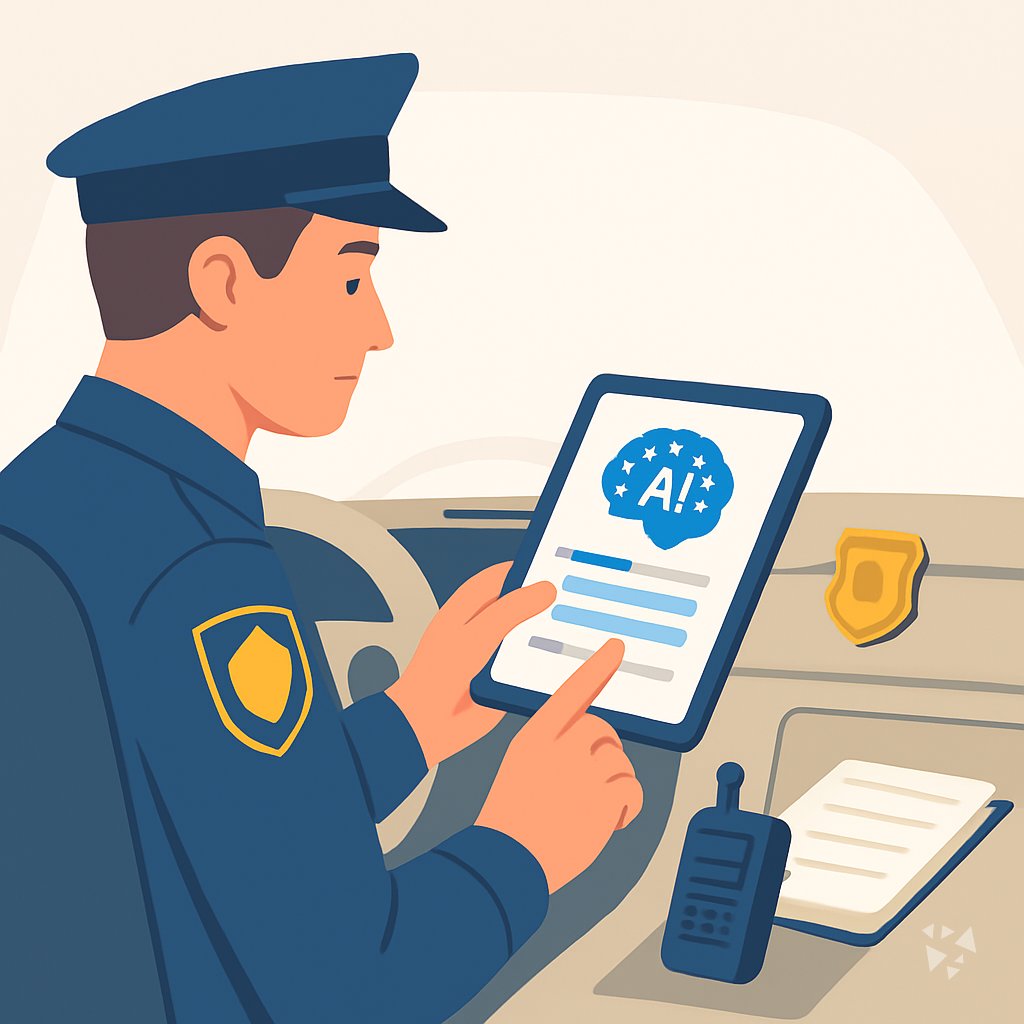
This path helps police officers use AI for reports, calls, interviews, case files, court prep, and community messages. It includes setup, video courses chosen for police work, and the certifications that come with them.
Your path
Everything in the Police Officer AI kit, in the order that makes sense. Members tick off each step and see their progress.
Set up your AI
We guide you through each click.
Let skills do your everyday tasks
Connect your apps and pick your AI apps
Hand whole tasks to AI agents
Build your own tools
Keep growing
Everything for police officers
All the courses, certifications, AI tools, MCP servers and apps for police officers, most relevant first. Open any list to see more.
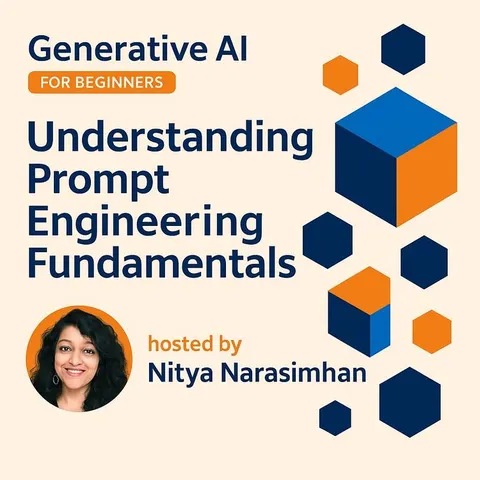
Take the prompt courses
A short framework course to learn how to ask, then 9 lessons with ready-to-use prompts for police officers.
Start with this framework: how to talk to AI
CARE fits police work because a clear traffic stop report, with context, action, result, and example, sets the standard for every incident.
Then your prompt course for police officers- 1Draft Incident Reports3 prompts
- 2Explain Laws in Plain Language2 prompts
- 3Plan a Call Response2 prompts
- 4Prepare Interviews and Statements3 prompts
- 5Handle Traffic Enforcement Paperwork3 prompts
- 6Organize a Case File3 prompts
- 7Prepare for Court Testimony3 prompts
- 8Communicate With the Community3 prompts
- 9Study and Shift Admin2 prompts
Watch the video courses or add them to your Favorites for later
87 video courses our AI picked for police officers, most useful first. Save the ones you want to watch later with the heart.
Favorites are saved to your account: sign in or get your AI kit first.
Show all 87 video courses
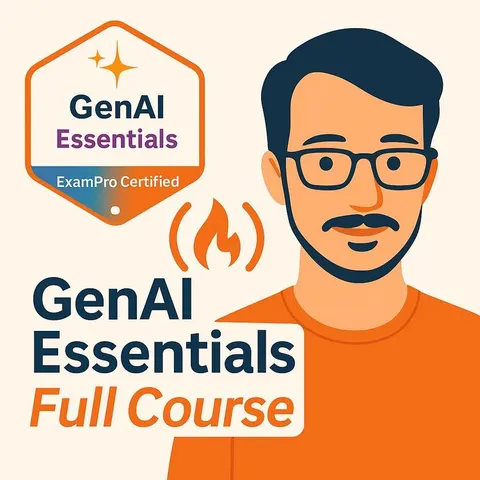
Get certified, or add certifications to your Favorites
Every course ends in an exam and a certificate you can add to LinkedIn. Save the certifications you are aiming for with the heart.
Favorites are saved to your account: sign in or get your AI kit first.
More certifications for police officersShow all 24 certifications
Try the AI tools for police officers
7 AI tools our AI matched to the work of police officers, best fit first. Each review shows what it does, its alternatives and the jobs it suits.
Favorites are saved to your account: sign in or get your AI kit first.
Connect your AI to the apps police officers use
MCP servers let ChatGPT, Claude or Copilot look things up and get work done in other apps, like your email, calendar or bookkeeping software. These 12 fit the work of police officers best, well-known apps first.

Google Maps MCP server
by cablateLets your AI look up places, routes, travel times, weather and local rankings using Google Maps.

GeoWire MCP server
by geowireLet your AI find places, give directions, and analyze neighborhoods right inside your chats.
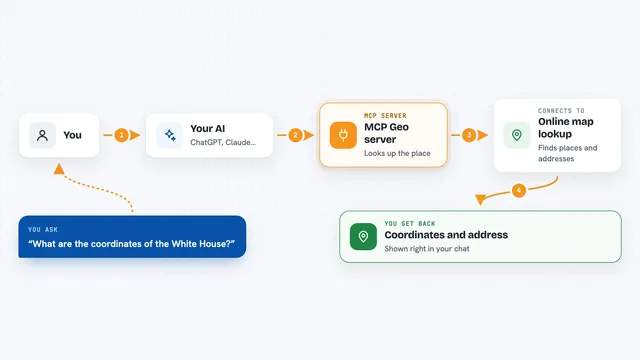
MCP Geo server
by webcoderzTurn addresses into map coordinates and back, and measure distances between places, right inside your chat.

Bing Search MCP server
by leehanchungLets your AI search the web, news, and images through Microsoft Bing while you chat.

VirusTotal MCP server
by BurtTheCoderLets your AI check links, files, IP addresses and domains for signs of malware or scams.
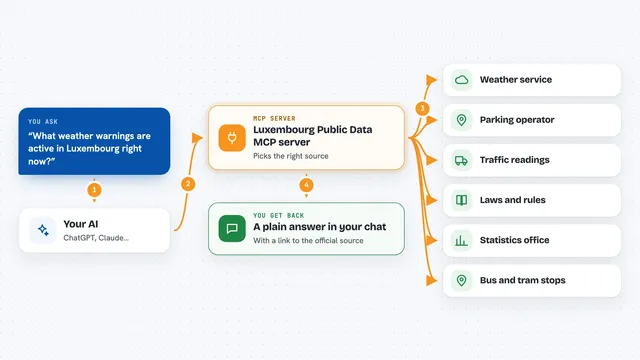
Luxembourg Public Data MCP server
by amirdaraeeLets your AI look up Luxembourg laws, statistics, parking, traffic, weather alerts and more, with no account needed.
Research OfficialShow all 12 MCP servers

Brave Search MCP server
by braveLets your AI search the web, news, images, and places through Brave Search.

ThinAir Geo MCP server
by ThinAirTelematicsLook up addresses, plan routes, check traffic and weather, and find places, all from your AI chat.
APINo install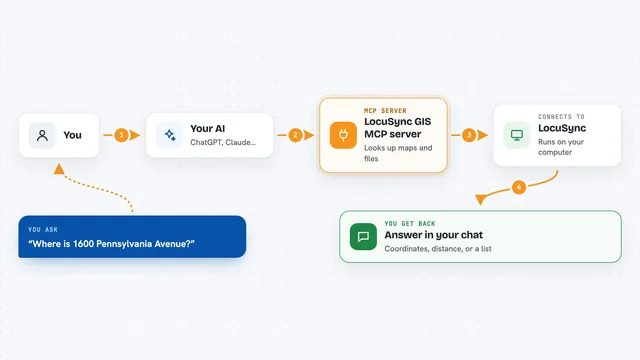
LocuSync GIS MCP server
by matbel91765Let your AI look up addresses, map routes, check elevations, and work with map files for you.

Stadia Maps MCP server
by stadiamapsLet your AI look up addresses, time zones, routes, and make maps for you.

Weather MCP server
by SaintDoreshLets your AI look up current weather, forecasts, air quality and past weather for any place you name.

OpenStreetMap MCP server
by jagan-shanmugamLets your AI look up addresses, find nearby places, and plan routes using OpenStreetMap data.














































About this learning path
7 topicsAI Skills for Police Officers on Shift
Police work runs on clear writing, quick thinking, and trust. AI can help you handle the paperwork and prep that fill your day, so you can stay focused on the people and decisions that matter.
You do not need to be technical. This path starts with simple setup questions, then shows you how to connect an AI assistant and use it for police tasks like reports, calls, interviews, cases, court, and community messages.
Why AI matters now
Calls, reports, and case files compete for your time. AI can help you sort facts, draft clear wording, and spot gaps before a report or brief goes forward.
Departments are also using AI for policy summaries and admin. Knowing how to use it well helps you stay current and confident.
What the path includes
You start with setup questions that match your role and comfort level. Then you learn how to connect your AI, use job skills inside it, and work through this prompt course.
The path also includes video courses picked for police work, such as report writing, traffic enforcement, and court prep. Each video course comes with its certification, so you can show what you completed.
How it saves time
Use AI to turn rough notes into a full incident report draft, build a call plan, or shape interview questions. It can also organize a case file into a timeline and a short factual summary.
That means less time rewriting and more time on patrol, with your family, or resting before the next shift.
How it protects your career
Clear reports and fair statements protect you and the people you serve. AI helps you check your wording, keep facts in order, and prepare for court with a tight brief.
You stay in charge of every decision. The path teaches you to review, verify, and correct anything an AI tool gives you.
Video courses and certifications
The path points you to video courses chosen for police tasks, not generic office work. You can learn report writing, traffic stop narratives, case organization, and testimony prep at your own pace.
When you finish a video course, you earn its certification. You can add it to your training record and use it as a refresh when policies or procedures change.
How to start
Begin with the setup questions and connect one AI tool you already have access to. Then open the prompt course and try one lesson on your next report or call plan.
Keep it simple. Use the prompts as starting points, check every fact, and build a habit that fits your shift.
Frequently asked questions
Do I need to be good with technology?
No. The path starts with plain setup questions and walks you through connecting an AI assistant step by step. You can move at your own pace and skip anything that does not fit your role.Will AI write my reports for me?
AI can help you draft and organize, but you remain the officer and the author. You must review every fact, follow department policy, and submit only what you know is accurate.Is it safe to use AI with police information?
You should never put sensitive case details, personal data, or confidential information into a tool that your department has not approved. The course covers safety and privacy habits for police work, including what to leave out.What certifications do I get?
Each video course in the path comes with its own certification. You earn them by completing the course, and you can keep them for your training record or promotion file.