
Learning path
Learning AI as a Historian
A guided path for historians who want to use AI in research, writing, and teaching without losing rigor. Start with setup, connect your tools, then build job skills with prompts and short video courses.
Your path
Everything in the Historian AI kit, in the order that makes sense. Members tick off each step and see their progress.
Set up your AI
We guide you through each click.
Let skills do your everyday tasks
Connect your apps and pick your AI apps
Hand whole tasks to AI agents
Build your own tools
Keep growing
Everything for historians
All the courses, certifications, AI tools, MCP servers and apps for historians, most relevant first. Open any list to see more.
Take the prompt courses
A short framework course to learn how to ask, then 8 lessons with ready-to-use prompts for historians.
Start with this framework: how to talk to AI
Historians need self-critique, source verification, and pre-mortems because accuracy matters more than speed, like checking a diary against census records before publishing.
Then your prompt course for historiansWatch the video courses or add them to your Favorites for later
93 video courses our AI picked for historians, most useful first. Save the ones you want to watch later with the heart.
Favorites are saved to your account: sign in or get your AI kit first.
Show all 93 video courses
Get certified, or add certifications to your Favorites
Every course ends in an exam and a certificate you can add to LinkedIn. Save the certifications you are aiming for with the heart.
Favorites are saved to your account: sign in or get your AI kit first.
More certifications for historiansShow all 24 certifications
Try the AI tools for historians
24 AI tools our AI matched to the work of historians, best fit first. Each review shows what it does, its alternatives and the jobs it suits.
Favorites are saved to your account: sign in or get your AI kit first.
Show all 24 AI tools
Connect your AI to the apps historians use
MCP servers let ChatGPT, Claude or Copilot look things up and get work done in other apps, like your email, calendar or bookkeeping software. These 12 fit the work of historians best, well-known apps first.

Internet Archive MCP server
by smeet666Search inside millions of scanned books and old web pages, and read the web as it was on a given day.

Library of Congress MCP server
by smeet666Search old American newspapers and the Library of Congress catalogue right from your AI chat.

Internet Archive Books MCP server
by smeet666Search the Internet Archive, Library of Congress and BnF at once, including the text inside scanned books.

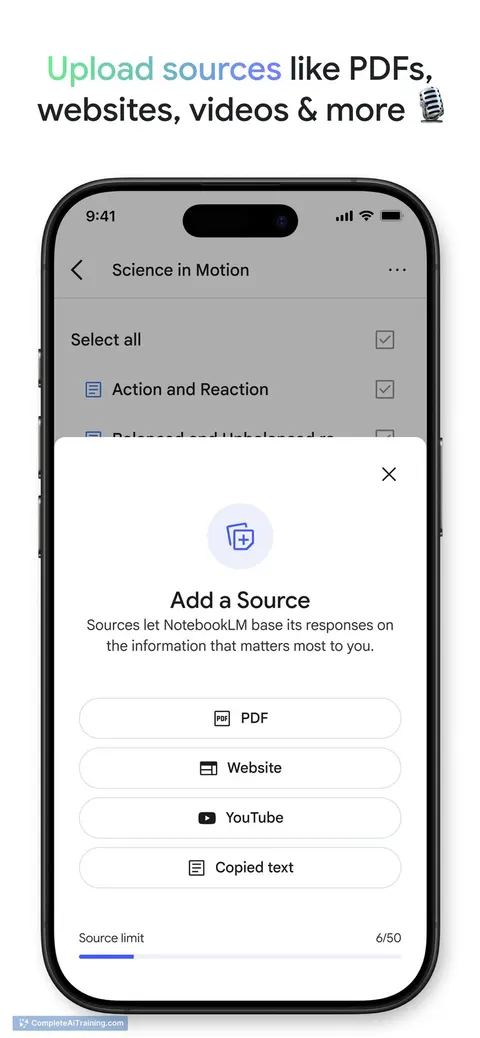
NotebookLM MCP server
by roomi-fieldsAsk your own documents questions and get answers with citations, plus podcasts, videos, and study aids.

Source Library MCP server
by Embassy-of-the-Free-MindLets your AI search, read, and quote 22,000+ rare old books with proper citations.

NotebookLM MCP server (secure)
by Pantheon-SecurityAsk your NotebookLM notebooks questions and get answers taken straight from your own sources.
Show all 12 MCP servers

Smithsonian MCP server
by molanojustinSearch over 3 million Smithsonian museum objects and get details, images info, and exhibit status.

Google Custom Search MCP server
by A1-x-TechLets your AI search the web and images through your own Google Programmable Search Engine.

DuckDuckGo Search MCP server
by zhsamaLets your AI search the web through DuckDuckGo and bring back results for you.

Bing Search MCP server
by leehanchungLets your AI search the web, news, and images through Microsoft Bing while you chat.

Open Museum MCP server
by cfpramodSearch open-access artworks across many museums at once, with verified licenses and ready citations.

Metis MCP server
by SVerITGGives your AI a private, local memory of your papers, notes and meetings, with cited answers.
Build your own AI apps for historians
Apps you build yourself with your own AI, no coding needed and no monthly fee. Our AI picked the 4 that fit the work of historians.
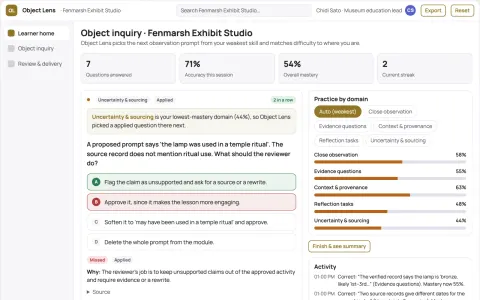
Museum object inquiry tutor
Teach observation through verified objects.
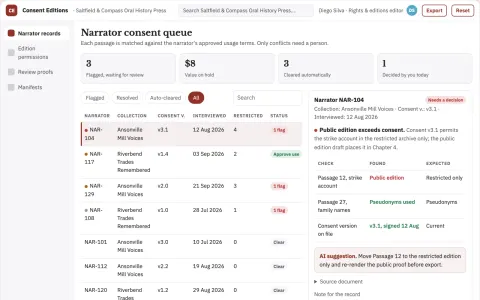
Oral-history consent edition manager
Respect narrator-specific permissions across publication versions.
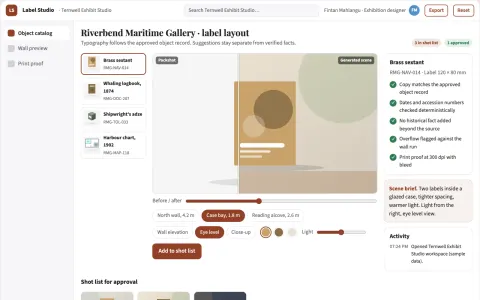
Museum label layout studio
Consistent exhibition typography linked to approved object records.
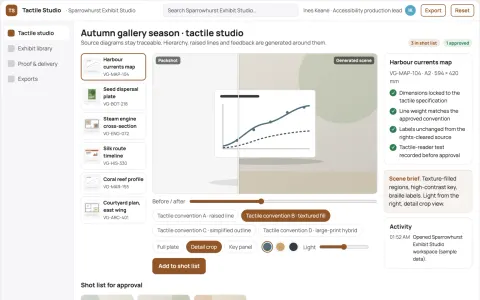
Museum tactile diagram production studio
Make selected exhibits usable through an additional interpretation format.












About this learning path
6 topicsUse AI Well in Historical Research and Writing
AI can help you read dense sources faster, check facts, and draft clear writing. But history is about judgment, context, and evidence. This path shows you how to use AI as a careful assistant, not a replacement for your expertise.
You will start with simple setup questions, connect AI tools like ChatGPT, Claude, or Gemini, and learn skills for your daily work. Then you take this prompt course and short video courses chosen for historians, with certificates to show what you learned.
Why AI Matters for Historians Now
Archives and digital collections keep growing. Public history, teaching, and grant writing all ask for more of your time. AI can help you summarize long documents, translate old texts, and compare accounts so you can focus on interpretation.
New tools also raise questions about accuracy and privacy. This path helps you use them with care, so your work stays trustworthy and your sources stay protected.
What the Path Includes
The path starts with setup questions to get your tools ready. You connect your AI, learn skills for the job inside your AI, and then work through this prompt course.
You also get video courses picked for historians, along with the certifications from those courses. Everything is built around real tasks like reading sources, planning archive visits, and writing for the public.
How It Saves You Time
Instead of spending hours on a single dense letter, you can ask AI for a clear summary and key facts. You can check dates and names, compare two accounts, or draft a lecture outline in minutes.
That time adds up. You can spend it on deeper analysis, on students, or on the parts of history that need your human judgment.
How It Protects Your Career
AI will not replace historians, but historians who use it well will have an edge. This path teaches you to verify every claim, protect private sources, and keep your own voice in your writing.
You learn to use AI for grants, conference talks, and exhibit labels without losing accuracy. That makes you more valuable in museums, archives, and universities.
How to Start
Begin with the setup questions. Pick one AI tool you already have, like ChatGPT, Claude, or Gemini, and connect it. Then try one prompt from the course, such as summarizing a primary source.
Watch one short video course. Do a little each day. Soon you will have a steady workflow that fits your research and teaching.
Frequently asked questions
Do I need to be technical to use AI as a historian?
No. The path is made for historians who are not technical. You will learn simple steps to set up your tools and write clear prompts, with no coding required.Will AI replace historians?
No. AI can summarize and draft, but it cannot judge context, weigh evidence, or understand human meaning the way you do. Your expertise becomes more important, not less.How do I keep my sources and notes private?
The course covers safety and privacy for historians. You will learn what to share, what to keep offline, and how to use settings that protect unpublished archives and personal data.Can AI help with grant writing and public history?
Yes. You can use AI to shape grant applications, conference abstracts, exhibit labels, and public posts. You still review and revise everything, so the final work is accurate and in your voice.