
Learning path
Learning AI as a Public Health Officer
This path shows public health officers how to use AI for health education, assessments, vaccination drives, and outbreak response. You will learn practical prompts, connect AI tools, and build job skills with short video courses.

Your path
Everything in the Public Health Officer AI kit, in the order that makes sense. Members tick off each step and see their progress.
Set up your AI
We guide you through each click.
Let skills do your everyday tasks
Connect your apps and pick your AI apps
Hand whole tasks to AI agents
Build your own tools
Keep growing
Everything for public health officers
All the courses, certifications, AI tools, MCP servers and apps for public health officers, most relevant first. Open any list to see more.
Take the prompt courses
A short framework course to learn how to ask, then 8 lessons with ready-to-use prompts for public health officers.
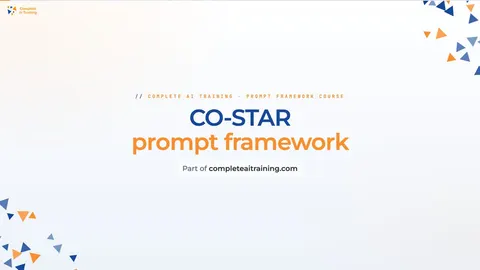
Start with this framework: how to talk to AI
CO-STAR helps you tailor a measles outbreak update to parents, defining audience, context, and tone so your message lands clearly.
Then your prompt course for public health officers- 1Health Education Materials3 prompts
- 2Community Health Assessment3 prompts
- 3Vaccination Drive Coordination3 prompts
- 4Prevention Program Design3 prompts
- 5Health Regulation Compliance3 prompts
- 6Epidemiological Data Analysis4 prompts
- 7Outbreak Response Support3 prompts
- 8Program Evaluation And Reporting3 prompts
Watch the video courses or add them to your Favorites for later
111 video courses our AI picked for public health officers, most useful first. Save the ones you want to watch later with the heart.
Favorites are saved to your account: sign in or get your AI kit first.
Show all 111 video courses
Get certified, or add certifications to your Favorites
Every course ends in an exam and a certificate you can add to LinkedIn. Save the certifications you are aiming for with the heart.
Favorites are saved to your account: sign in or get your AI kit first.
More certifications for public health officersShow all 24 certifications
Try the AI tools for public health officers
24 AI tools our AI matched to the work of public health officers, best fit first. Each review shows what it does, its alternatives and the jobs it suits.
Favorites are saved to your account: sign in or get your AI kit first.
Show all 24 AI tools
Connect your AI to the apps public health officers use
MCP servers let ChatGPT, Claude or Copilot look things up and get work done in other apps, like your email, calendar or bookkeeping software. These 12 fit the work of public health officers best, well-known apps first.

NCBI PubMed MCP server
by vitorpavinatoSearch PubMed's millions of research articles and get summaries, authors, and related papers through your AI.
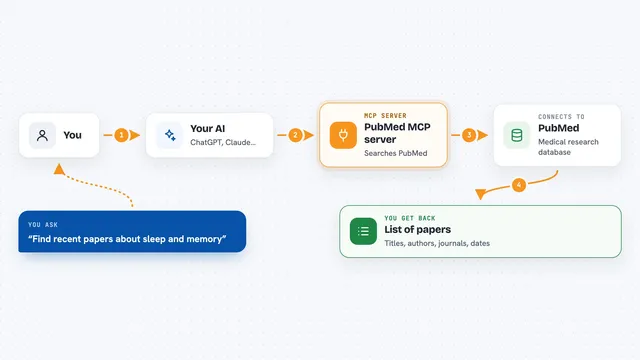
PubMed MCP server
by andybrandtLets your AI search medical and life sciences papers on PubMed and read their abstracts and full text.

Google Search MCP server (AceDataCloud)
by AceDataCloudLets your AI run Google searches for web, images, news, videos, places and maps, and hand you the results.
ResearchNo install
Bing Search MCP server
by leehanchungLets your AI search the web, news, and images through Microsoft Bing while you chat.

Scholar MCP server
by Liyux3Your AI can search academic papers, read them, map citations, and save them into a personal library.

Web Researcher MCP server
by zoharbabinLets your AI search trusted sites, read full articles, and give you real, clickable sources.
Show all 12 MCP servers

Brave Search MCP server
by braveLets your AI search the web, news, images, and places through Brave Search.

PubMed Search MCP Server
by pubsproLet your AI search medical research papers on PubMed and give you plain-English summaries.

OpenAI Web Search MCP server
by ConechoAILets your AI search the web for fresh information and reason through the results before answering.

Research Hub MCP server
by WenyuChiouLets your AI search for papers, save them to Zotero, and write notes into your Obsidian vault for you.

DuckDuckGo Search MCP server
by nickclydeLets your AI search the web with DuckDuckGo and read the pages it finds.

Web Search MCP server
by pskill9Lets your AI search the web through Google and bring back titles, links, and short descriptions.
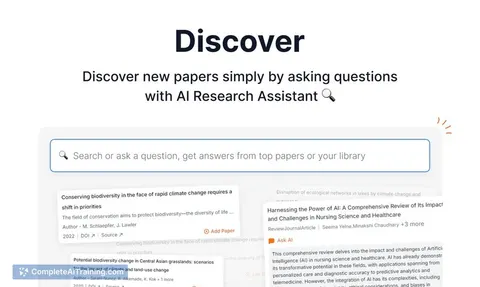
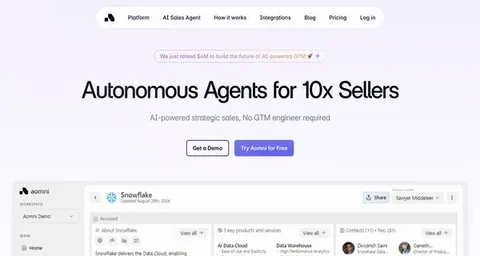
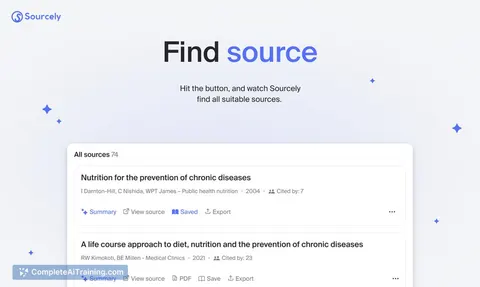
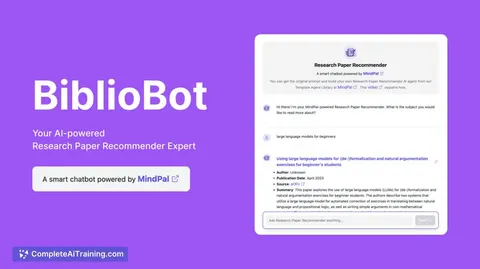
Build your own AI apps for public health officers
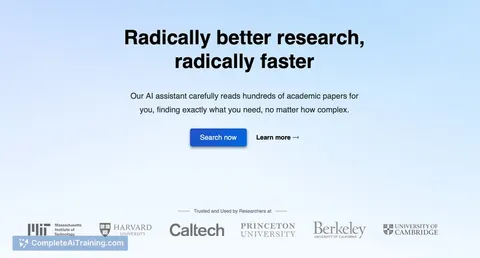
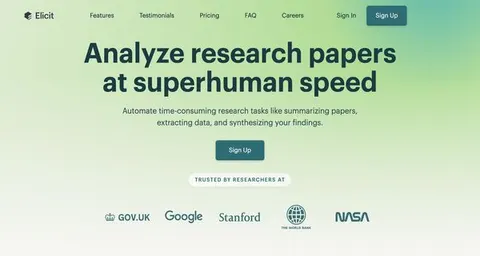
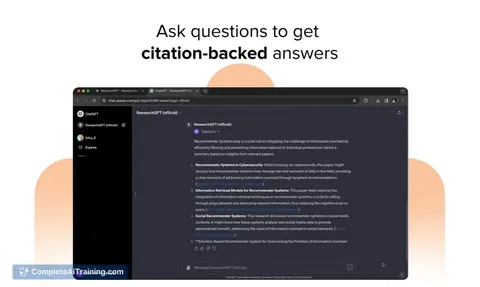
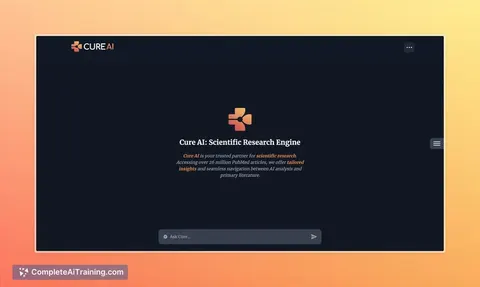
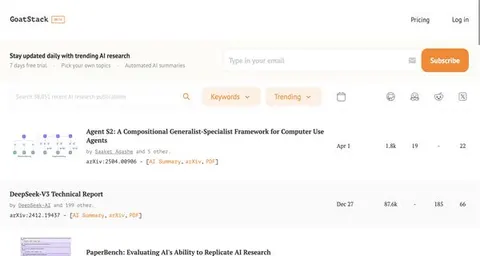
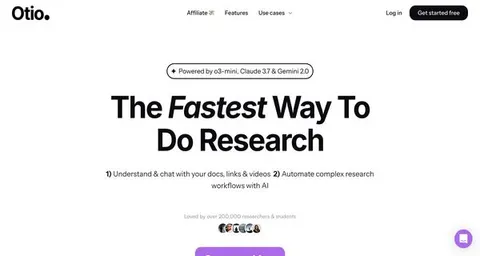
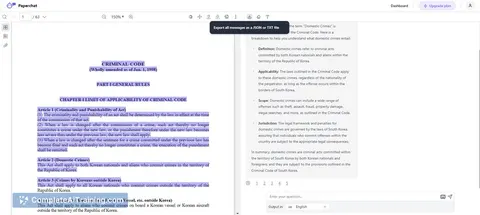
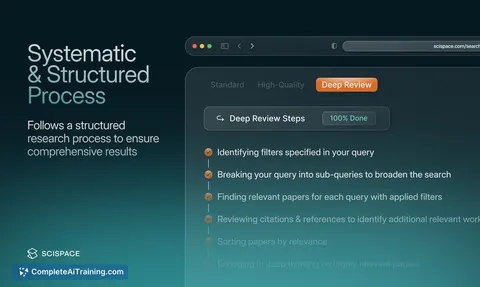
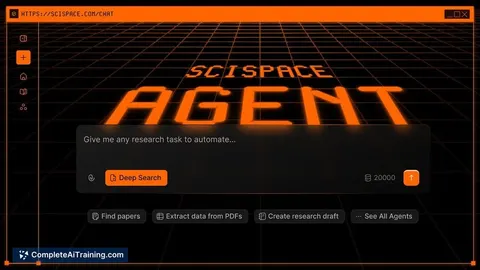
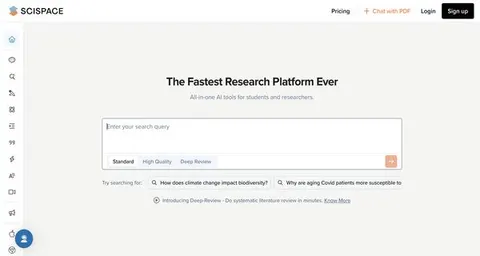
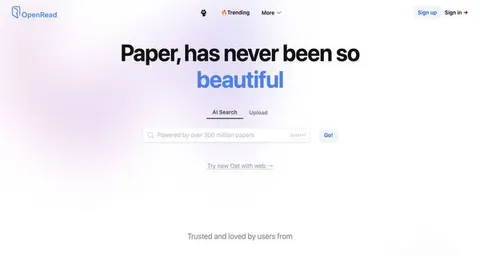
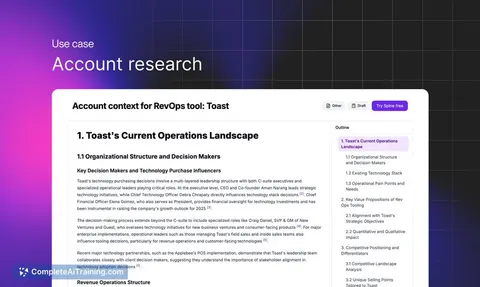
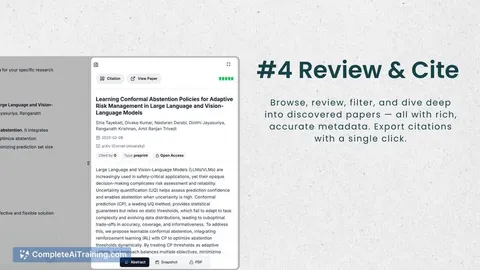
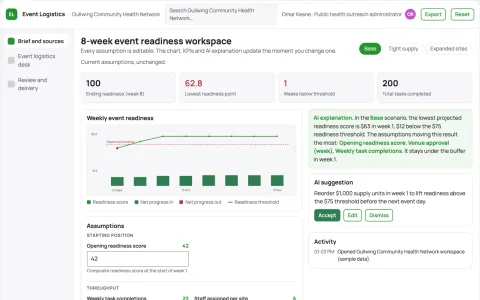
Apps you build yourself with your own AI, no coding needed and no monthly fee. Our AI picked the one that fits the work of public health officers.















About this learning path
6 topicsAI Skills for Public Health Officers
Public health work asks you to do many things at once. You write guidance, track data, plan clinics, answer the public, and respond when cases rise.
This path helps you use AI as a calm assistant for those tasks. You stay in charge of decisions while AI helps you draft, organize, explain, and check your work.
Why AI matters for this job now
Health questions move fast. People need clear answers, and your team needs useful drafts, summaries, and plans without waiting for every document to start from a blank page.
AI can help you keep up with communication and planning while you keep public health judgment at the center.
What the path includes
You begin with setup questions and connecting your AI tool. Then you learn prompts for your daily work, including health materials, community assessments, vaccination drives, program design, and outbreak support.
You also get video courses chosen for public health officers. Each course shows its certification so you can see what completion means.
How it saves time
AI can turn rough notes into a first draft, make a long report easier to scan, and help you prepare plain language messages for different groups.
You still review every word, but you spend less time staring at a blank page and more time with people and decisions.
How it protects your career
Public health officers are trusted with sensitive information and public messages. This path teaches safe habits, such as removing personal details before using AI and checking every fact.
Skills with AI can help you stay useful as teams adopt new tools, while your license, ethics, and local rules still guide the work.
How to start
Start with the setup questions and connect one AI tool you already use. Then take the prompt course and pick one task from your week, such as a clinic reminder or a community FAQ.
Try one prompt, review the result, adjust it, and save what works. Small steps build confidence.
Frequently asked questions
Do I need technical skills?
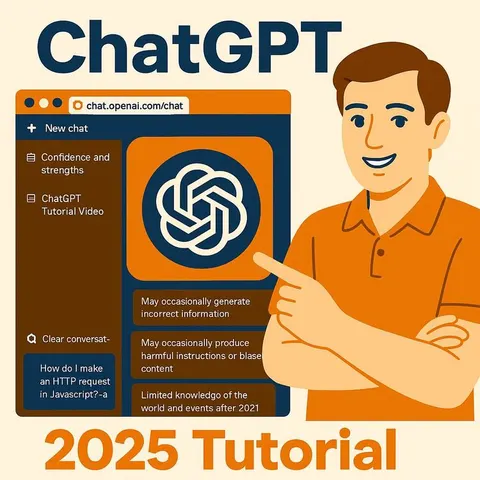
No. The path starts with setup questions and plain steps for connecting ChatGPT, Claude, or Gemini. You can use AI by writing normal requests and checking the answers.Will AI make public health decisions for me?
No. AI can draft, summarize, and suggest, but you remain responsible for accuracy, privacy, and public health judgment. Always review outputs before sharing.Does this path include certifications?
Yes. The video courses picked for public health officers show their certifications, so you can see what each course offers. The prompt course focuses on practice and safe use.How much time does it take?
You can move through short lessons at your own pace. Many people start with one prompt a day and build from there. The goal is steady practice, not a long break from work.