
Learning path
Learning AI as a Speechwriter
This path helps speechwriters use AI to research faster, draft stronger speeches and keep the speaker's voice. You will learn practical prompts that fit the way you already work, from first angles to final talking points.

Your path
Everything in the Speechwriter AI kit, in the order that makes sense. Members tick off each step and see their progress.
Set up your AI
We guide you through each click.
Let skills do your everyday tasks
Connect your apps and pick your AI apps
Hand whole tasks to AI agents
Build your own tools
Everything for speechwriters
All the courses, certifications, AI tools, MCP servers and apps for speechwriters, most relevant first. Open any list to see more.
Take the prompt courses
A short framework course to learn how to ask, then 8 lessons with ready-to-use prompts for speechwriters.
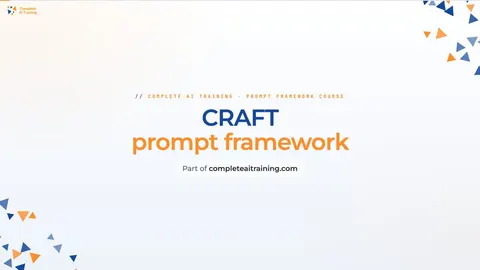
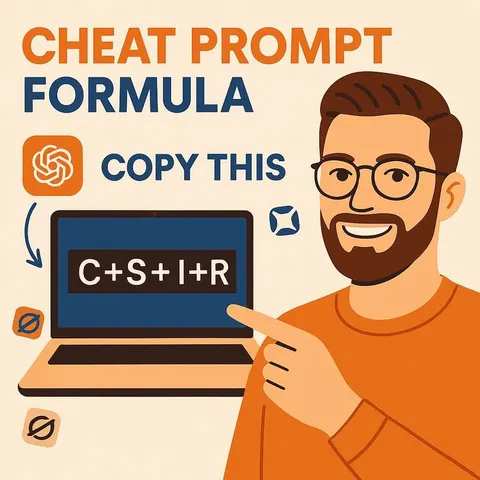
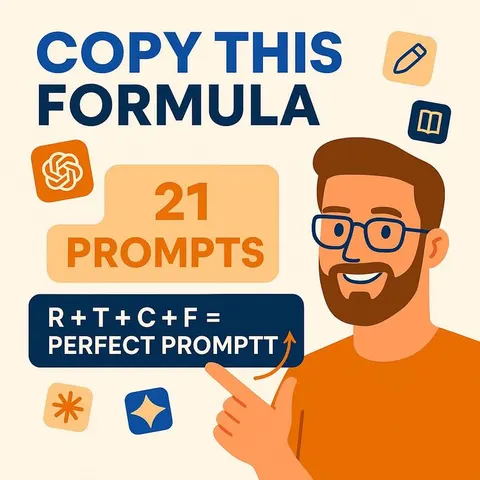
Start with this framework: how to talk to AI
CRAFT fits your speechwriting because it aligns context, role, action, format, and tone for a CEO keynote draft.
Then your prompt course for speechwritersWatch the video courses or add them to your Favorites for later
93 video courses our AI picked for speechwriters, most useful first. Save the ones you want to watch later with the heart.
Favorites are saved to your account: sign in or get your AI kit first.
Show all 93 video courses
Get certified, or add certifications to your Favorites
Every course ends in an exam and a certificate you can add to LinkedIn. Save the certifications you are aiming for with the heart.
Favorites are saved to your account: sign in or get your AI kit first.
More certifications for speechwritersShow all 24 certifications
Try the AI tools for speechwriters
24 AI tools our AI matched to the work of speechwriters, best fit first. Each review shows what it does, its alternatives and the jobs it suits.
Favorites are saved to your account: sign in or get your AI kit first.
Show all 24 AI tools
Connect your AI to the apps speechwriters use
MCP servers let ChatGPT, Claude or Copilot look things up and get work done in other apps, like your email, calendar or bookkeeping software. These 12 fit the work of speechwriters best, well-known apps first.

Google Docs MCP server
by A1-x-TechLet your AI read, summarize, edit and comment on your Google Docs without leaving the chat.

VE Google Workspace MCP server
by HuntsDeskLet your AI read and write your Google Docs, Sheets, Slides, Drive, Gmail and Calendar for you.
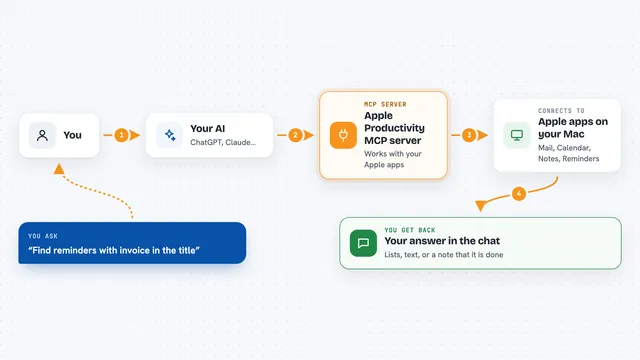
Apple Productivity MCP server
by gambadioLets your AI work with Mail, Calendar, Notes, Reminders, Pages, Numbers and more on your Mac.
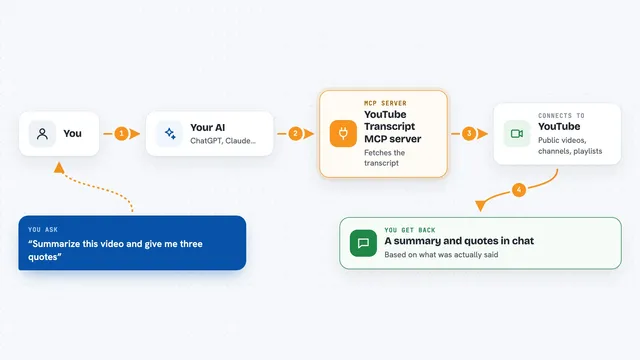
YouTube Transcript MCP server
by artemchuikinLet your AI read YouTube videos, pull transcripts, and search videos, channels, and playlists for you.
Social mediaResearch Official
KitchenSink4Word MCP server
by nometalalchemistLet your AI edit real Word documents: text, tables, tracked changes, citations and more.

Google Search MCP server (AceDataCloud)
by AceDataCloudLets your AI run Google searches for web, images, news, videos, places and maps, and hand you the results.
ResearchNo installShow all 12 MCP servers

Google Custom Search MCP server
by A1-x-TechLets your AI search the web and images through your own Google Programmable Search Engine.

Brave Search MCP server
by braveLets your AI search the web, news, images, and places through Brave Search.

Bing Search MCP server
by leehanchungLets your AI search the web, news, and images through Microsoft Bing while you chat.

BrainTube MCP server
by lildaddyoLets your AI search and cite everything you have saved: videos, podcasts, articles, PDFs and notes.
NotesNo install
DuckDuckGo Search MCP server
by nickclydeLets your AI search the web with DuckDuckGo and read the pages it finds.

OpenAI Bridge MCP server
by jaspertvdmLets your AI assistant send questions to OpenAI models like GPT-4 and bring the answers back into your chat.
Build your own AI apps for speechwriters
Apps you build yourself with your own AI, no coding needed and no monthly fee. Our AI picked the 12 that fit the work of speechwriters.
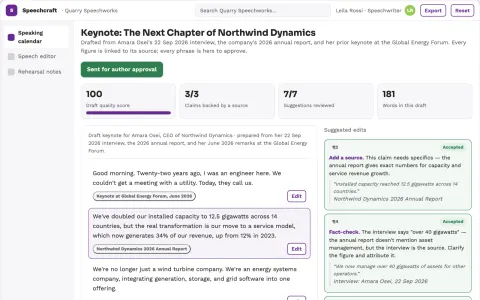
Speechwriting subscription
An evolving executive voice and argument library across engagements.
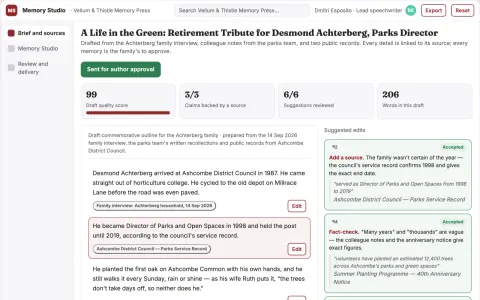
Commemorative speech memory studio
Personal storytelling with client-controlled facts.
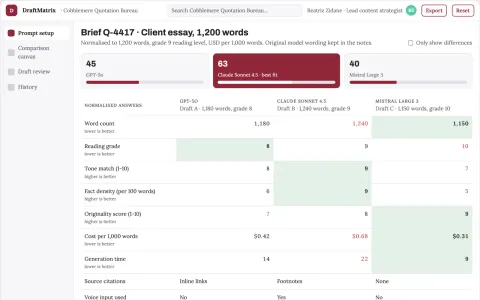
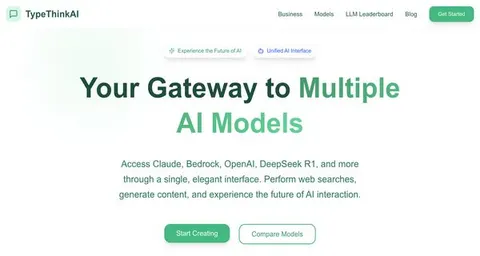
Multi-model writing comparison and clarification workspace
Reduce tool switching and lost context while keeping the writer's own prompts, history and data.
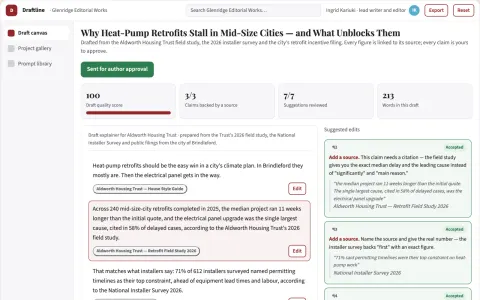
Source-based writing and editorial delivery workspace
Reduce tool switching and revision cycles while keeping the writer's voice and source traceability.
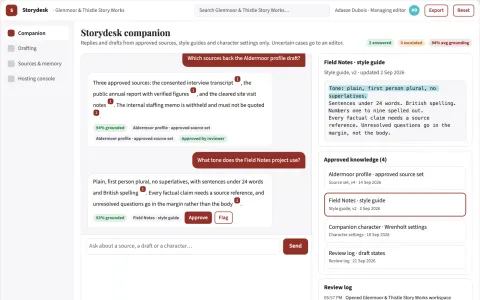
Source-linked companion and content workbench
Reduce tool switching and keep companion context and drafts in one owned workspace.
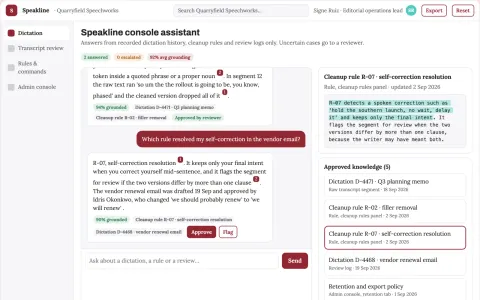
Source-linked dictation and writing console
Reduce tool switching and rework while keeping the writer's own words and history under their control.
Show all 12 apps
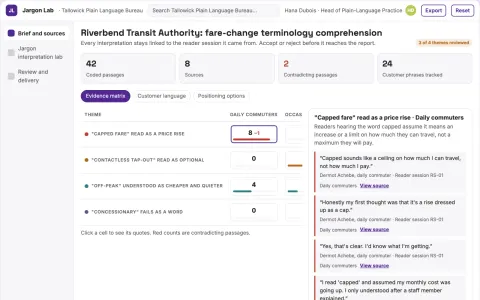
Communications jargon interpretation lab
Test meaning with readers instead of guessing.
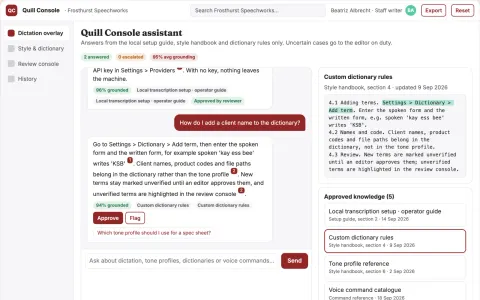
On-device voice-to-text writing console
Reduce the number of rented dictation tools while keeping dictated text, style data and voice commands on the writer's own machine.
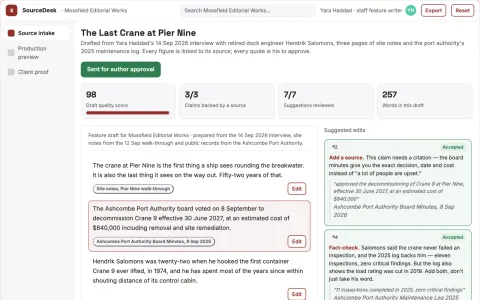
Source-based content workspace with editorial delivery
Reduce manual copying between transcription, summarization, drafting and storage while keeping the writer's voice.
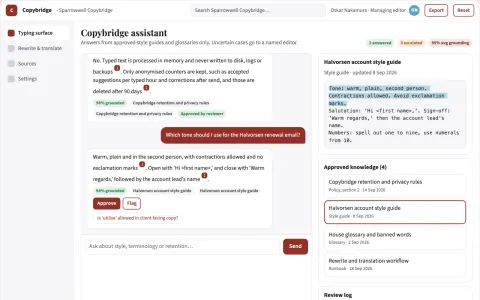
Source-linked predictive writing keyboard console
Reduce typing time and correction work while keeping the writer's meaning and data under the owner's control.
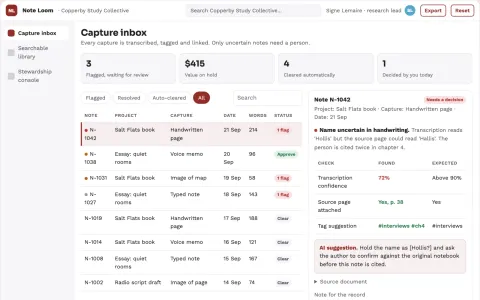
AI-assisted note capture and retrieval library
Reduce time spent searching for and reorganizing notes while keeping the writer's own wording and sources.
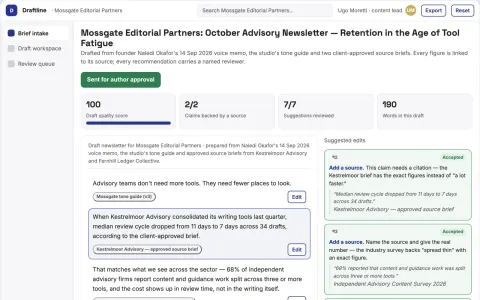
Source-based content and guidance workspace
Reduce tool switching and manual copying while keeping editorial and personal guidance decisions with named reviewers.












About this learning path
6 topicsUse AI to Write Speeches That Sound Like Your Speaker
Speechwriting is part research, part listening and part craft. You turn a pile of notes and a speaker's voice into words that land with a live audience.
This learning path shows you how to bring AI into that work without losing the human touch. You will set up your tools, learn job-specific skills and practice with prompts built for speechwriters.
Why AI Matters For Speechwriters
Speeches are needed faster than ever. News breaks, events shift and speakers want fresh remarks for every room. AI can gather background, suggest angles and draft rough sections in minutes, so you spend your time on the parts only you can do.
It also helps you serve more channels. One speech can become social posts, press lines and podcast answers. AI handles the first pass, you make it sound human.
What The Path Includes
You start with setup questions to choose the right AI tool for your work. Then you connect that tool and learn job-specific skills for speechwriters. The prompt course walks you through eight lessons, from research to stress-testing a final draft.
You also get video courses picked for speechwriters, along with the certifications those courses offer. Everything fits together so you can move from first idea to finished speech with confidence.
How It Saves You Time
The biggest time savings come from research and first drafts. Instead of starting at a blank page, you get a packet of angles and a rough structure. You also save time on edits, talking points and repurposing one speech into many formats.
That time goes back into your day. You can rehearse with the speaker, check facts, or simply leave work at a reasonable hour.
How It Protects Your Career
AI does not replace your judgment. It helps you do more of what matters: understanding the audience, capturing the speaker's voice and knowing which story will land. You stay in charge of every word.
You also protect the speaker and yourself by using AI to check risky claims and prepare for tough questions. The path shows you how to keep facts straight and privacy safe.
How To Start
Begin with the setup questions. Pick one tool, like ChatGPT, Claude or Gemini, and connect it. Then take the prompt course and try one lesson on a real speech you are working on.
After that, choose a video course that fits your current need. Start small, maybe just the research prompt. You will feel the difference in your first draft.
Frequently asked questions
Will AI write speeches for me?
No, AI writes rough drafts and suggests ideas. You still shape the message, match the speaker's voice and make every final decision. Think of it as a fast assistant that never gets tired.How do I keep the speaker's voice?
The course teaches you to feed AI past speeches and notes, then ask it to rewrite in that style. You review and adjust until it sounds like the speaker, not a generic robot. Your ear is the final test.Is it safe to use AI with sensitive material?
You should follow your organization's rules and never put private or classified information into a public AI tool. The path covers safety and privacy for speechwriters, including how to work with sensitive topics. When in doubt, leave it out.How long does the path take?
You can move at your own pace. Most people finish the prompt course in a few sittings and then return to the video courses as needed. The goal is to build a habit, not rush through.